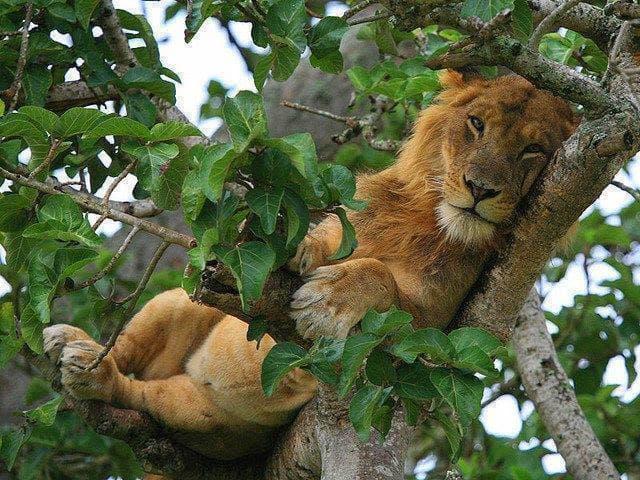
Uganda is one of Africa’s most diverse safari destinations, famous for its mountain gorillas, vast savannahs, and rich wildlife. But among its many unique attractions, one stands out as truly rare and fascinating—the tree-climbing lions. These unusual big cats have captured the imagination of travelers worldwide, leading many to ask: Where can I find tree-climbing lions in Uganda?
The answer lies primarily in one remarkable location: the Ishasha sector of Queen Elizabeth National Park. In this detailed guide, we’ll explore where to see these incredible animals, why they climb trees, the best time to visit, and tips for maximizing your chances of spotting them.
What Are Tree-Climbing Lions?
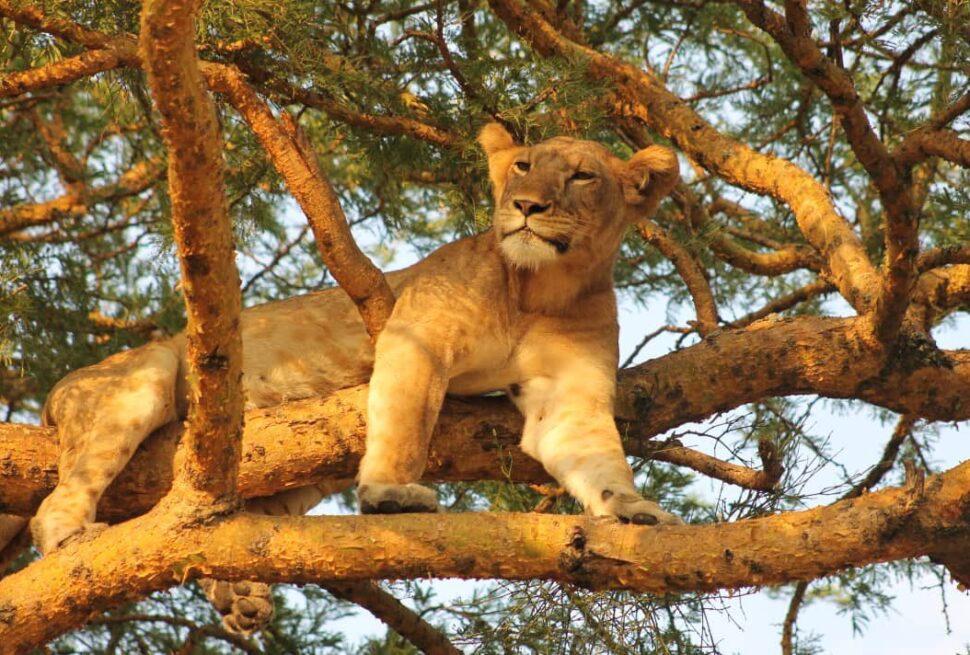
Tree-climbing lions are not a separate species of lion, but rather a unique population that has developed the unusual habit of resting and lounging in trees.
Unlike typical lions that stay on the ground, these lions:
- Climb large fig and acacia trees
- Spend hours resting on branches
- Descend to hunt, usually at night
This rare behavior is only observed in a few places in Africa, making Uganda a must-visit destination for wildlife enthusiasts.
The Best Place to See Tree-Climbing Lions in Uganda
Ishasha Sector – The Prime Location
The Ishasha sector in the southern part of Queen Elizabeth National Park is the best and most reliable place to see tree-climbing lions.
Why Ishasha Is Special
- High concentration of tree-climbing lions
- Open savannah landscapes for easy viewing
- Large fig trees ideal for lion climbing
This remote and less crowded area offers a more intimate safari experience compared to other parts of the park.
Why Do Lions Climb Trees in Ishasha?
This is one of the most frequently asked questions—and while there is no single confirmed reason, experts suggest several explanations:
1. Escape from Heat
Climbing trees allows lions to catch cool breezes and avoid the hot ground during the day.
2. Avoid Insects
Being elevated helps them escape biting insects like tsetse flies.
3. Better Visibility
From the trees, lions can:
- Monitor prey movement
- Spot potential threats
4. Learned Behavior
Some researchers believe this behavior has been passed down through generations.
What to Expect When Searching for Tree-Climbing Lions
Spotting tree-climbing lions is an exciting experience, but it requires patience and a bit of luck.
Typical Sightings
- Lions stretched across thick branches
- Cubs playing in lower branches
- Entire prides resting in a single tree
The sight of a lion draped over a tree branch is both surreal and unforgettable.
Best Time to See Tree-Climbing Lions
Time of Day
- Midday to afternoon is ideal
- Lions often climb trees to rest during the heat
Season
- Dry seasons (June–September, December–February) offer better visibility
- Rainy seasons provide lush scenery but can make spotting harder
How to Increase Your Chances of Seeing Them
1. Take a Guided Game Drive
Experienced guides know where lions were last spotted and can track their movements.
2. Spend More Time in Ishasha
Staying overnight increases your chances of multiple sightings.
3. Be Patient
Wildlife viewing is unpredictable, but patience often pays off.
4. Use Binoculars
Sometimes lions are hidden in dense tree foliage.
Other Wildlife in Ishasha Sector
While tree-climbing lions are the highlight, Ishasha is also home to:
- Buffaloes
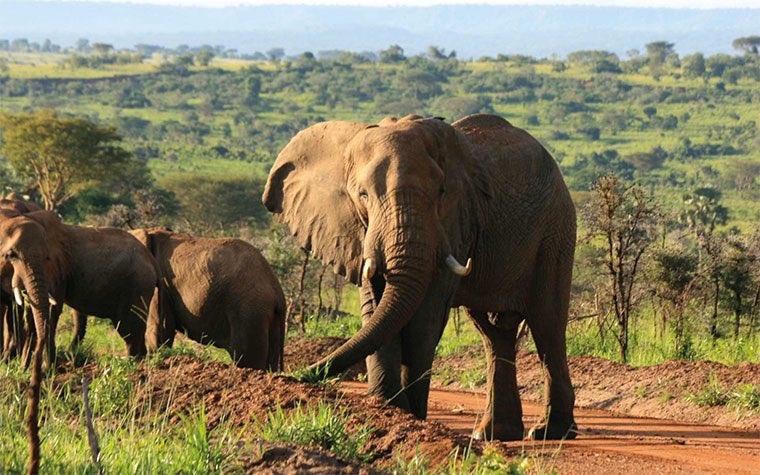
- Elephants
- Uganda kob
- Topi antelope
This makes it a well-rounded safari destination.
Where to Stay Near Tree-Climbing Lions
There are several accommodation options near the Ishasha sector:
Budget Options
- Basic lodges and campsites
Mid-Range Lodges
- Comfortable lodges with great views
Luxury Lodges
- High-end safari lodges with premium services
Staying close to Ishasha ensures easy access to early morning and late afternoon game drives.
Combining Tree-Climbing Lions with Other Safari Experiences
One of the best things about visiting Queen Elizabeth National Park is the ability to combine multiple experiences:
- Boat safari along the Kazinga Channel
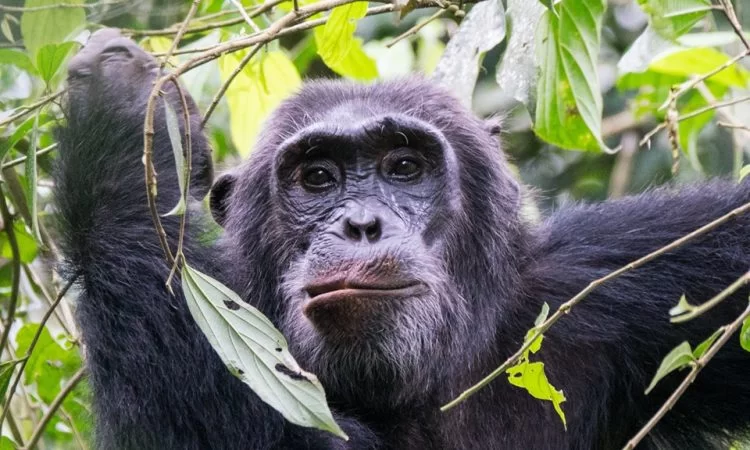
- Chimpanzee tracking in Kyambura Gorge
- Game drives in Kasenyi plains
You can also extend your trip to:
- Gorilla trekking in Bwindi Impenetrable National Park
- Chimpanzee tracking in Kibale National Park
Are Tree-Climbing Lions Found Anywhere Else?
Yes, but very rarely.
Aside from Ishasha in Uganda, tree-climbing lions are also found in:
- Lake Manyara National Park in Tanzania
However, Uganda remains one of the best and most reliable destinations to see this behavior.
Safety Tips When Viewing Tree-Climbing Lions
- Always stay inside your safari vehicle
- Follow your guide’s instructions
- Keep a safe distance
- Avoid making loud noises
These precautions ensure both your safety and the well-being of the animals.
Photography Tips for Capturing Tree-Climbing Lions
- Use a zoom lens for close-up shots
- Shoot during golden hours for better lighting
- Be patient and wait for movement
Tree-climbing lions provide unique and dramatic photo opportunities.
Why You Should Visit Uganda for Tree-Climbing Lions
Uganda offers a unique safari experience that goes beyond traditional wildlife viewing.
What Makes It Special
- Rare lion behavior
- Fewer crowds
- Diverse landscapes
- Opportunity to combine with gorilla trekking
Few places in Africa offer such a combination of experiences.
Final Thoughts
So, where can you find tree-climbing lions in Uganda?
The answer is clear: the Ishasha sector of Queen Elizabeth National Park is the best place to witness this extraordinary phenomenon.
From lions lounging in fig trees to the breathtaking landscapes of southwestern Uganda, this experience is unlike any other safari adventure. Whether you’re a wildlife enthusiast, photographer, or first-time visitor, seeing tree-climbing lions is a moment you’ll never forget.