Uganda, often referred to as the “Pearl of Africa,” is one of the most rewarding safari destinations on the continent. From the vast savannahs of Murchison Falls National Park to the wildlife-rich plains of Queen Elizabeth National Park, the country offers incredible opportunities to see animals in their natural habitat.
However, one of the most common concerns travelers have is: how safe are wildlife safaris in Uganda?
The answer is reassuring—wildlife safaris in Uganda are generally very safe when conducted through licensed operators and within the guidelines set by authorities. Uganda has developed strong safety systems that protect both visitors and wildlife.
Let’s explore in detail the safety measures, risks, and tips that ensure a secure safari experience.
1. Strong Government Oversight and Regulation
Wildlife safaris in Uganda are managed by the Uganda Wildlife Authority (UWA).
Their responsibilities include:
- Managing national parks and reserves
- Enforcing safety regulations
- Training rangers and guides
- Monitoring tourist activities
This centralized system ensures that all safari operations follow strict standards, making Uganda a well-regulated destination.
2. Presence of Armed Rangers
One of the key safety features of Ugandan safaris is the presence of armed rangers.
These rangers:
- Accompany guided activities such as walking safaris
- Monitor wildlife movements
- Protect tourists from potential threats
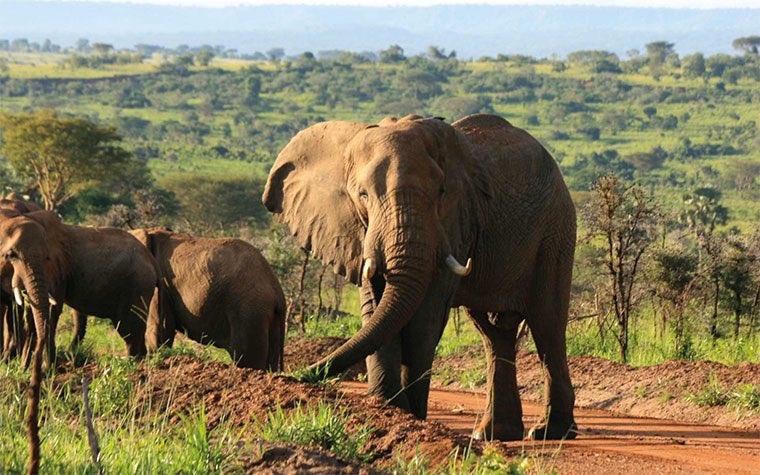
In parks like Murchison Falls National Park, rangers are highly trained to handle encounters with large animals such as elephants, buffalo, and lions.
3. Experienced Driver-Guides
Your safari experience is led by professional driver-guides who are:
- Trained in wildlife behavior
- Skilled in defensive driving
- Knowledgeable about park terrain
They play a crucial role in ensuring safety by:
- Maintaining safe distances from animals
- Positioning vehicles strategically
- Responding calmly in unexpected situations
A good guide significantly reduces any potential risk.
4. Strict Wildlife Viewing Rules
Uganda enforces strict rules for interacting with wildlife to ensure safety.
Key guidelines include:
- Staying inside the safari vehicle during game drives
- Keeping a safe distance from animals
- Avoiding loud noises or sudden movements
- Never feeding wildlife
These rules are especially important in parks like Queen Elizabeth National Park, where predators and large herbivores roam freely.
5. Controlled Game Drive Environments
Game drives are conducted in designated areas and follow established routes.
This ensures:
- Predictable wildlife encounters
- Reduced risk of accidents
- Efficient monitoring by park authorities
Vehicles are also designed for safety, often equipped with:
- Pop-up roofs for viewing
- Strong frames for protection
6. Safety in Walking Safaris
Walking safaris offer a closer connection to nature but are carefully controlled.
Safety measures include:
- Mandatory ranger accompaniment
- Pre-walk safety briefings
- Limited group sizes
Rangers are trained to interpret animal behavior and avoid risky situations.
7. Low Crime Levels Inside National Parks
National parks in Uganda are secure and well-monitored areas.
- Access is controlled through entry gates
- Rangers patrol regularly
- Tourist activities are supervised
Incidents of crime within parks are extremely rare, making them safe for visitors.
8. Health and Medical Preparedness
Safari operators and parks take health and safety seriously.
Measures include:
- First aid training for guides
- Access to nearby medical facilities
- Emergency evacuation procedures
Travelers are advised to carry:
- Travel insurance
- Personal medications
These precautions ensure preparedness for any situation.
9. Road Safety During Safaris
While Uganda’s road conditions can vary, safari travel is generally safe due to:
- Use of well-maintained 4×4 vehicles
- Experienced drivers familiar with routes
- Planned travel schedules
Long journeys to parks like Murchison Falls National Park are handled professionally to minimize risks.
10. Wildlife Behavior and Risk Awareness
Wild animals are unpredictable by nature, but risks are minimized through:
- Maintaining safe distances
- Following guide instructions
- Avoiding direct interaction
Animals in Uganda’s parks are accustomed to safari vehicles, which reduces the likelihood of aggressive behavior.
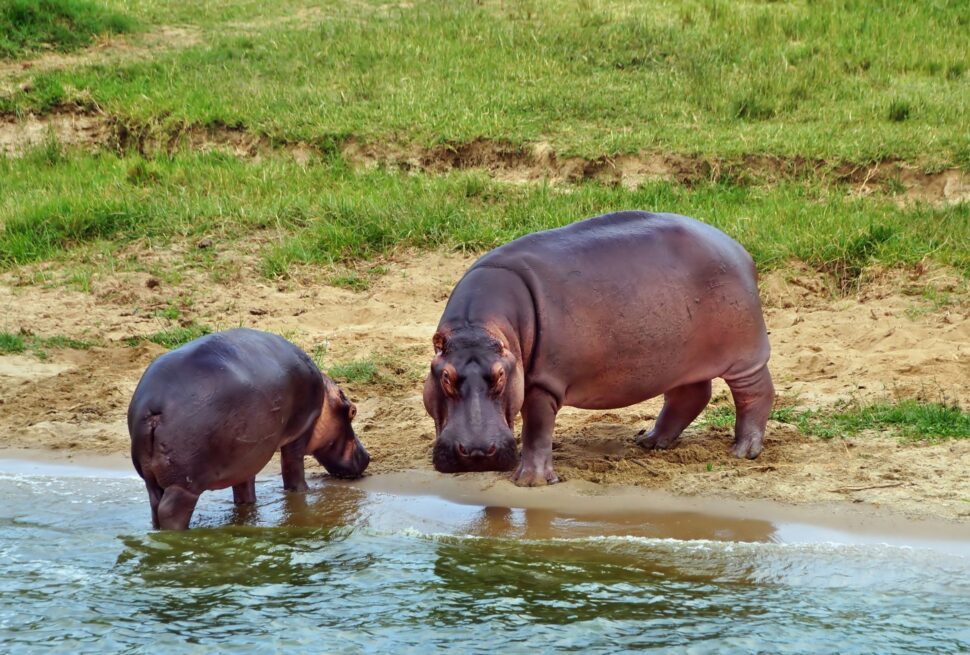
11. Safety in Boat Safaris
Boat cruises are popular in parks like Queen Elizabeth National Park (Kazinga Channel) and along the Nile.
Safety measures include:
- Life jackets for all passengers
- Experienced boat operators
- Controlled navigation routes
These cruises are generally calm and safe while offering excellent wildlife viewing.
12. Emergency Response Systems
Uganda’s safari industry has systems in place to handle emergencies.
These include:
- Communication between guides and park authorities
- Quick access to ranger support
- Evacuation protocols if needed
Tour operators are well-prepared to respond to unexpected situations.
13. Community Involvement and Security
Local communities play an important role in maintaining safety.
- Community tourism initiatives promote cooperation
- Local guides and staff enhance security
- Tourism benefits reduce conflict
This collaboration helps create a safe environment for visitors.
14. Safety Tips for Travelers
While safaris are generally safe, travelers should follow basic precautions:
- Always listen to your guide
- Stay inside the vehicle unless instructed otherwise
- Avoid walking alone in park areas
- Keep valuables secure
- Respect wildlife at all times
Following these guidelines ensures a smooth and enjoyable experience.
15. Why Uganda Is Considered a Safe Safari Destination
Uganda has built a strong reputation for safe wildlife tourism because of:
- Professional safari operators
- Strict regulations
- Well-trained guides and rangers
- Effective conservation practices
Combined with its incredible biodiversity, this makes Uganda a top choice for safari travelers.
Conclusion
Wildlife safaris in Uganda are not only thrilling but also well-organized and safe. From the presence of armed rangers and experienced guides to strict wildlife rules and government oversight, every aspect of the safari experience is carefully managed.
Whether you’re exploring the savannahs of Murchison Falls National Park or enjoying a game drive in Queen Elizabeth National Park, you can travel with confidence knowing that strong safety measures are in place.
By choosing a reputable tour operator and following guidelines, you’ll not only stay safe but also fully enjoy one of Africa’s most unforgettable adventures.