Few wildlife experiences on earth can rival the thrill of coming face to face with the endangered mountain gorillas in their natural habitat. Hidden deep within the misty rainforests of East and Central Africa, gorilla trekking is more than just a wildlife activity — it is a once-in-a-lifetime journey that blends adventure, conservation, culture, and raw human emotion.
From the first crunch of boots on the forest floor to the moment you lock eyes with a silverback, gorilla trekking is an experience that leaves travelers humbled and transformed. But what exactly makes gorilla trekking safaris so unique and sought after by adventurers from all corners of the world? Let’s dive deep into why this rare encounter is truly special.
1. The Rarity of the Mountain Gorilla Encounter
Mountain gorillas are among the world’s most endangered species. Found only in three countries — Uganda, Rwanda, and the Democratic Republic of Congo — their total population hovers around just over 1,000 individuals.
Unlike the Big Five animals that roam wide savannahs, mountain gorillas live in isolated pockets of dense tropical forests, mainly in:
- Bwindi Impenetrable National Park (Uganda)
- Mgahinga Gorilla National Park (Uganda)
- Volcanoes National Park (Rwanda)
- Virunga National Park (DRC)
The restricted range and fragile population mean every trek is a privilege, not a guarantee. The very fact that you are part of a handful of people allowed to meet them each day makes it a rare experience in the safari world.
2. A Raw and Intimate Wildlife Experience
Unlike traditional game drives where animals may be observed from the comfort of a safari vehicle, gorilla trekking demands physical effort. You hike through dense rainforests, cross rivers, climb hills, and navigate tangled vegetation guided by trackers.
This effort adds to the intimacy. When you finally reach a gorilla family, you are allowed to spend only one magical hour in their presence. With no fences, glass, or cars between you, the encounter is raw and authentic.
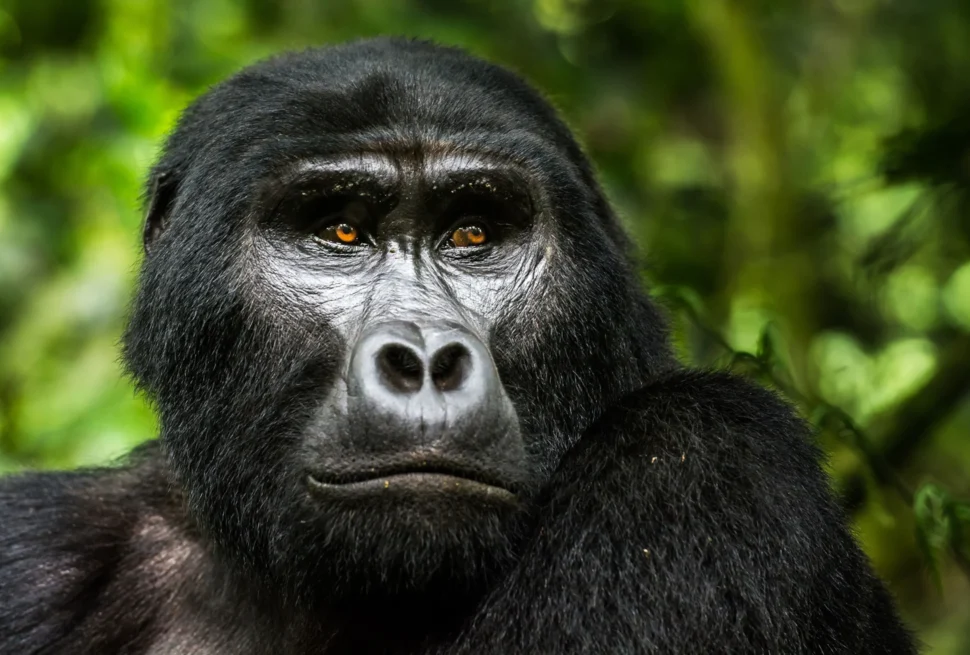
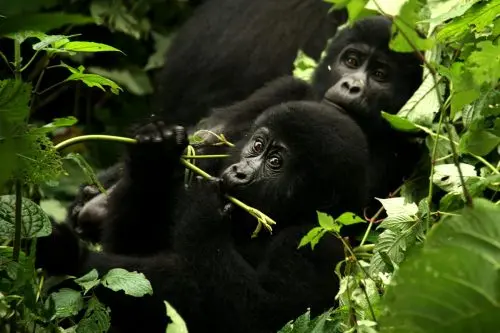
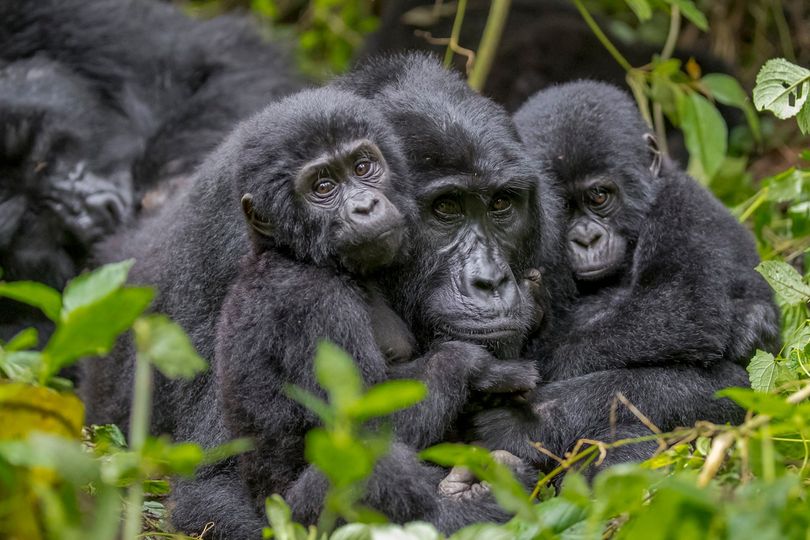
You might witness a mother tenderly cradling her infant, juveniles playing around like mischievous children, or the dominant silverback keeping a watchful eye on his group. Every family behaves differently, making each visit unique.
3. The Emotional Connection
What surprises many travelers is the profound emotional impact of a gorilla trek. Gorillas share about 98% of their DNA with humans, and their behaviors, expressions, and social interactions mirror our own in striking ways.
Watching a gorilla scratch its head, drum its chest, or comfort a young one often evokes a powerful sense of kinship. Many visitors describe it as a spiritual or life-changing experience. You don’t just see gorillas — you connect with them on a deeply human level.
4. Conservation Success Story
One of the most inspiring reasons gorilla trekking is special lies in its role in conservation. Decades ago, mountain gorillas were on the brink of extinction due to poaching, habitat loss, and disease.
Through dedicated efforts by governments, local communities, and international organizations, gorilla populations have slowly increased. Trekking permits — though costly — directly fund conservation programs, ranger salaries, anti-poaching patrols, and veterinary care.
Even more importantly, local communities benefit economically from tourism, giving them strong incentives to protect gorillas and their habitat. Choosing to go on a gorilla trek means you are actively contributing to the survival of this species.
5. Immersion in Pristine Rainforests
The journey to the gorillas is as breathtaking as the encounter itself. The rainforests of Bwindi and the Virunga massif are UNESCO World Heritage Sites teeming with biodiversity.
On your trek, you may encounter:
- Rare birds (over 350 species in Bwindi alone)
- Butterflies, reptiles, and amphibians
- Other primates like colobus monkeys and L’Hoest’s monkeys
- Towering mahogany and fig trees, thick bamboo forests, and mist-shrouded valleys
Every step feels like walking through a prehistoric world — raw, untouched, and alive with sounds of the jungle.
6. A Test of Adventure and Reward
Gorilla trekking is not an easy stroll. Depending on the location of the gorilla family, the trek can last anywhere from 1 hour to 6 hours. Trails may be steep, muddy, and challenging.
But it is precisely this demanding journey that makes the reward so exhilarating. The moment you finally hear your ranger whisper, “They’re here,” and step into a clearing to find gorillas lounging nearby, the fatigue vanishes. Adventure seekers love gorilla trekking because it blends physical challenge with a priceless payoff.
7. Limited and Exclusive Access
Unlike mass tourism experiences, gorilla trekking is carefully controlled to protect the gorillas. Each gorilla family is visited by only a small group of eight tourists per day.
This exclusivity ensures minimal disturbance to the gorillas and maximum quality for visitors. With only a handful of permits available daily, gorilla trekking remains one of the most exclusive wildlife encounters in the world.
8. Cultural Enrichment with Local Communities
A gorilla trekking safari is not just about the gorillas. It also offers opportunities to engage with the local communities that live around the parks.
In Uganda, for instance, travelers can visit the Batwa pygmies, the indigenous forest dwellers who share centuries of knowledge about the jungle. Cultural encounters like traditional dances, storytelling, and craft-making deepen your understanding of the human-gorilla relationship and enrich your safari experience.
9. Photographic Paradise
For photography enthusiasts, gorilla trekking is a dream. Capturing the deep brown eyes of a gorilla peering through the mist or a baby clinging to its mother’s back is beyond compare.
The combination of dramatic forest backdrops, soft light filtering through the canopy, and expressive gorilla faces creates unforgettable shots. However, the real magic lies in the memories behind the lens — the feeling of being there.
10. A Life-Changing Story to Tell
Travel is often about stories. And gorilla trekking gives you one that few people on the planet can claim. It is not just about ticking off a bucket-list item; it’s about carrying home a transformative story of resilience, conservation, and the beauty of shared existence.
Practical Tips for a Memorable Gorilla Trekking Safari
To make the most of this experience, here are some important tips:
- Book early: Gorilla permits are limited and sell out months in advance.
- Get fit: Even moderate fitness helps you enjoy the trek better.
- Pack wisely: Include sturdy boots, waterproof jacket, gloves, long pants, and insect repellent.
- Hire a porter: They carry your bag and support you on steep terrain — plus it directly supports locals.
- Respect the rules: Keep 7 meters distance, no flash photography, and follow ranger instructions.
- Stay longer: Consider combining gorilla trekking with other safaris (chimp tracking, game drives, boat cruises) for a richer East African experience.
Conclusion: More Than Just a Safari
So, why is gorilla trekking safari so special? It’s because it transcends the ordinary. It is rare, raw, emotional, adventurous, and deeply meaningful. It connects you with nature, supports conservation, empowers local communities, and leaves you with memories etched for a lifetime.
In a world where authentic travel experiences are increasingly rare, gorilla trekking stands out as one of the purest, most transformative encounters with wildlife. For many, it is not just a highlight of Africa, but of their entire life of travel.
If you dream of an adventure that combines heart-pounding excitement, awe-inspiring wildlife, and the chance to make a difference — a gorilla trekking safari should be at the very top of your list.