Uganda, famously known as the “Pearl of Africa,” is a year-round safari destination blessed with diverse landscapes, rich wildlife, and incredible primate experiences. However, many travelers hesitate when considering a trip during the rainy season. So, the big question is: Is it good to visit Uganda during the rainy season?
The answer is yes—with the right expectations and preparation, visiting Uganda during the rainy season can be incredibly rewarding. In fact, it offers unique advantages that many travelers overlook, including fewer crowds, lush scenery, and lower costs.
In this detailed guide, we’ll explore what the rainy season in Uganda is like, its pros and cons, and whether it’s the right time for your safari adventure.
Understanding Uganda’s Rainy Seasons
Uganda experiences two main rainy seasons:
- March to May (long rains)
- October to November (short rains)
Rainfall patterns can vary depending on the region, especially in mountainous and forested areas like Bwindi Impenetrable National Park.
Unlike extreme monsoon climates, rain in Uganda often comes in short, heavy bursts, usually in the afternoon or evening, leaving plenty of time for activities during the day.
Advantages of Visiting Uganda in the Rainy Season
1. Lush, Green Landscapes
One of the biggest advantages of traveling during the rainy season is the breathtaking scenery. Uganda transforms into a vibrant green paradise:
- Forests become denser and more beautiful
- Waterfalls and rivers are at their fullest
- National parks look incredibly scenic
Places like Bwindi Impenetrable National Park and Kibale National Park are especially stunning during this time.
2. Fewer Tourists and More Privacy
Rainy season is considered low season, meaning:
- Fewer crowds in national parks
- More intimate wildlife experiences
- Less competition for sightings
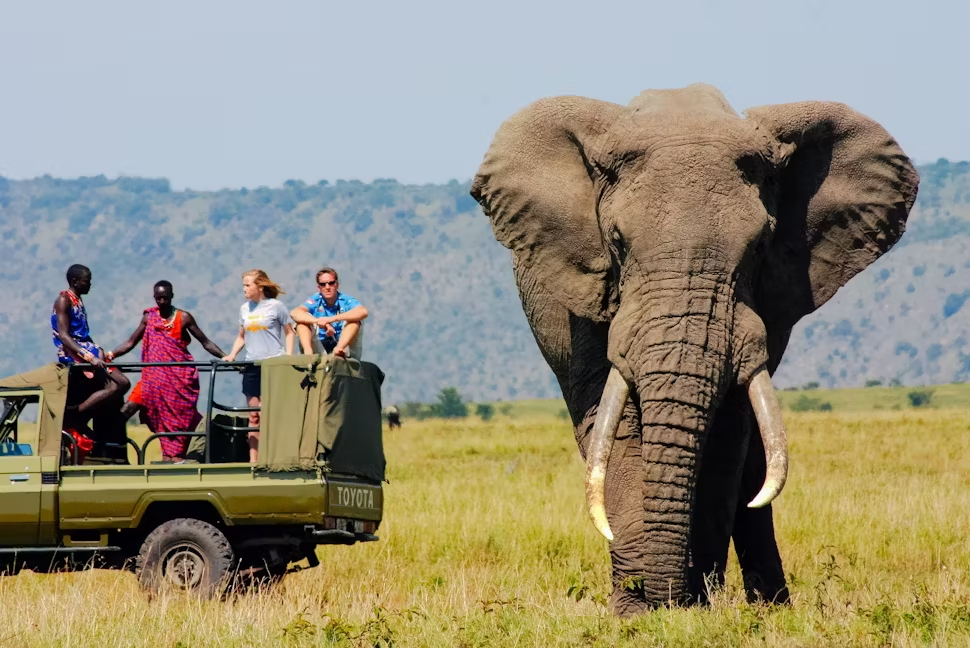
In parks like Queen Elizabeth National Park, you may find yourself enjoying game drives with very few other vehicles.
3. Lower Safari Costs
Traveling during the rainy season can save you money:
- Discounts on accommodation
- Reduced safari package prices
- Special offers from tour operators
For budget-conscious travelers, this is one of the best times to visit Uganda.
4. Excellent Birdwatching Opportunities
The rainy season is a paradise for bird lovers:
- Migratory birds arrive
- Breeding season brings vibrant plumage
- Increased bird activity
Uganda, with over 1,000 bird species, becomes even more rewarding for birdwatching during this period.
5. Great Time for Primate Tracking
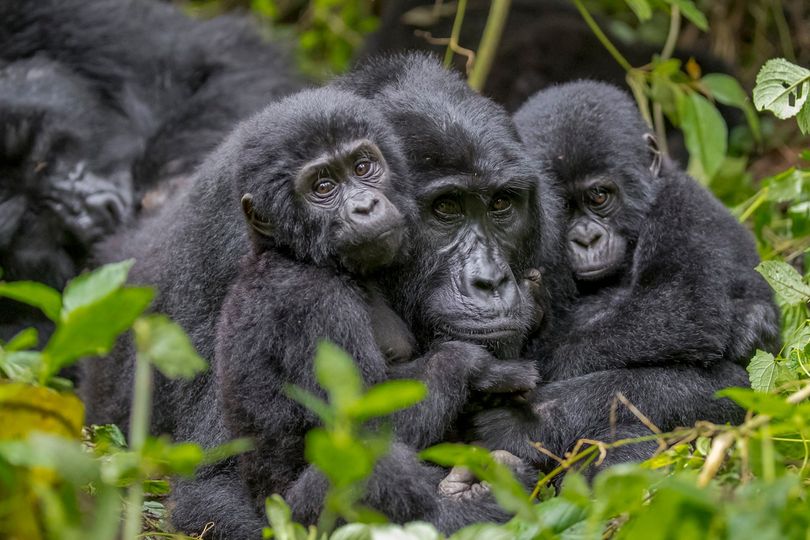
Interestingly, rainy season can be a good time for gorilla and chimpanzee trekking.
In Bwindi Impenetrable National Park:
- Gorillas tend to stay closer due to abundant food
- Treks can sometimes be shorter
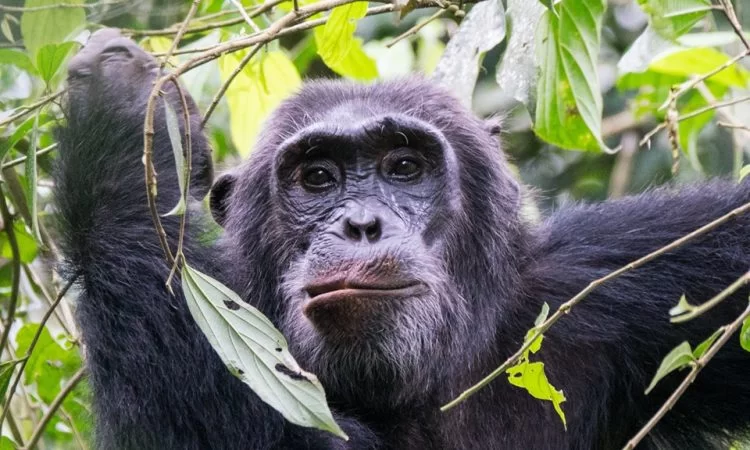
In Kibale National Park:
- Chimpanzees are easier to locate
Challenges of Visiting During the Rainy Season
While there are many benefits, it’s important to understand the challenges.
1. Muddy and Slippery Trails
Rain can make trekking conditions more difficult:
- Slippery forest paths
- Muddy hiking routes
- Steeper climbs become more challenging
This is especially noticeable during gorilla trekking in Bwindi Impenetrable National Park.
2. Difficult Road Conditions
Some roads, particularly in remote areas, can become:
- Muddy
- Slippery
- Harder to navigate
Travel between parks like Murchison Falls National Park may take longer.
3. Wildlife Visibility
Thick vegetation can make it harder to spot animals during game drives.
However:
- Animals are still present
- Experienced guides can still find wildlife
4. Unpredictable Weather
Rainfall can be unpredictable:
- Sudden showers
- Changes in itinerary timing
Flexibility is key when traveling during this season.
Best Places to Visit During the Rainy Season
Some destinations in Uganda are particularly rewarding even during the rains.
Bwindi Impenetrable National Park
Bwindi Impenetrable National Park is magical during the rainy season.
- Misty forests create a dramatic atmosphere
- Fewer trekkers
- Unique photography opportunities
Kibale National Park
Kibale National Park is excellent for chimpanzee tracking.
- Dense forest becomes vibrant
- Primates remain active
Queen Elizabeth National Park
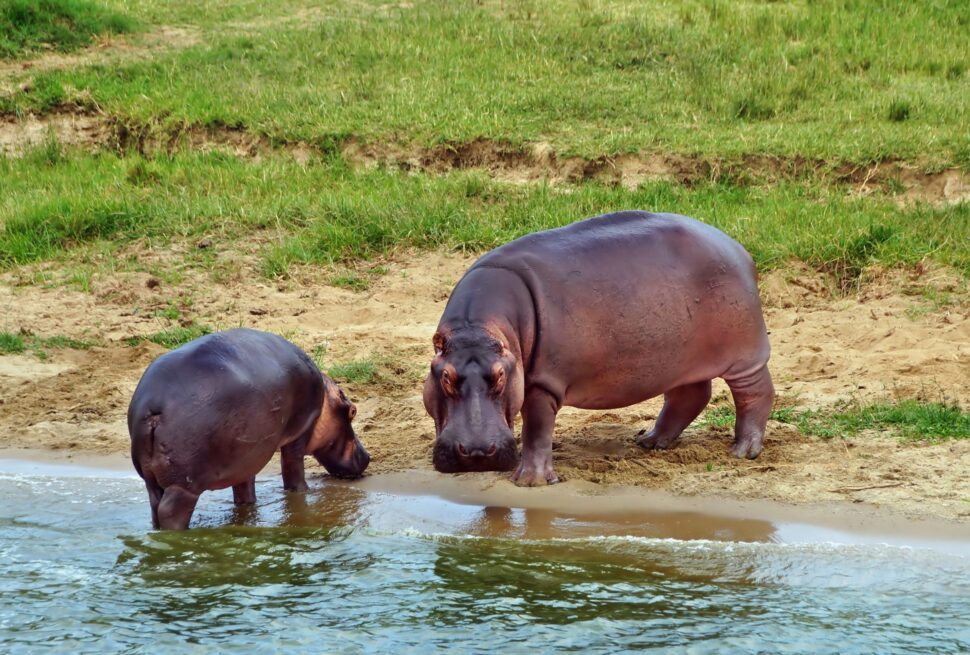
Queen Elizabeth National Park still offers great wildlife viewing.
- Kazinga Channel boat cruises remain unaffected
- Scenic landscapes enhance the experience
What to Pack for the Rainy Season
Preparation is essential for a successful trip.
Clothing
- Waterproof jacket
- Long-sleeved shirts
- Quick-drying trousers
Footwear
- Waterproof hiking boots
- Extra socks
Gear
- Rain cover for bags
- Camera protection
- Walking stick for trekking
Tips for Traveling During the Rainy Season
1. Plan Flexible Itineraries
Allow extra time for travel and activities.
2. Choose the Right Vehicle
A 4×4 safari vehicle is essential for navigating muddy roads.
3. Start Activities Early
Mornings are often drier and better for wildlife viewing.
4. Work with Experienced Guides
Local guides know how to adapt to weather conditions.
Is It Worth Visiting Uganda in the Rainy Season?
Absolutely—if you are prepared.
The rainy season offers:
- Unique landscapes
- Fewer crowds
- Better prices
- Excellent primate tracking
While it comes with some challenges, many travelers find it to be one of the most rewarding times to visit.
Final Thoughts
So, is it good to visit Uganda during the rainy season?
Yes—it can be an incredible experience. From the misty jungles of Bwindi Impenetrable National Park to the wildlife-rich plains of Queen Elizabeth National Park, the rainy season reveals a different, more intimate side of Uganda.
If you’re looking for fewer crowds, lower costs, and breathtaking scenery, this might just be the perfect time for your safari adventure.