For many travelers, gorilla trekking in Uganda is a once-in-a-lifetime dream. The idea of venturing into a dense rainforest and coming face-to-face with a family of mountain gorillas is both thrilling and unforgettable. Naturally, one of the most common questions asked is: what are the chances of actually seeing mountain gorillas on a gorilla safari in Uganda?
The reassuring answer is that Uganda offers one of the highest success rates in the world—over 95%. In fact, most travelers who embark on a gorilla trek in Uganda do encounter these incredible primates.
But what makes the chances so high? Let’s explore the factors that contribute to this remarkable success rate.
1. Habituated Gorilla Families Increase Success Rates
In Uganda, gorilla trekking takes place in protected areas such as Bwindi Impenetrable National Park and Mgahinga Gorilla National Park.
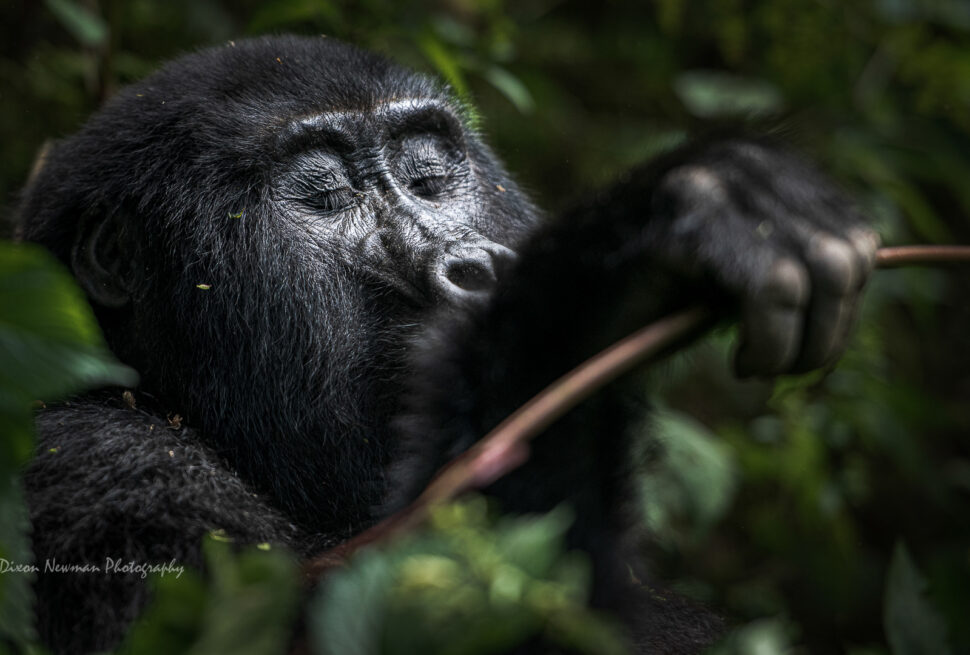
These parks are home to habituated gorilla families, meaning the gorillas have been gradually accustomed to human presence over several years. This process ensures that:
- Gorillas do not flee when visitors approach
- They behave naturally in the presence of humans
- Trekkers can safely observe them at close range
Because trekking focuses only on these habituated groups, your chances of seeing gorillas are extremely high.
2. Daily Tracking by Expert Rangers
Before any trekking group enters the forest, a team of skilled trackers sets out early in the morning to locate the gorillas.
These trackers:
- Follow fresh nests from the previous night
- Identify feeding trails and broken vegetation
- Use knowledge of gorilla behavior and movement patterns
By the time visitors begin their trek, the gorillas’ approximate location is already known. This greatly increases the likelihood of a successful encounter.
The Uganda Wildlife Authority employs highly trained personnel who monitor gorilla families daily, ensuring consistent tracking success.
3. Strong Conservation Efforts and Monitoring
Uganda has invested heavily in gorilla conservation over the years. Continuous monitoring ensures that gorilla populations are stable and well protected.
Conservation programs include:
- Anti-poaching patrols
- Veterinary interventions
- Habitat preservation
- Research and data collection
These efforts not only protect gorillas but also make them easier to locate, contributing to the high sighting rate.
4. Limited Number of Visitors Per Day
Gorilla trekking is strictly controlled, with only 8 visitors allowed per gorilla family per day.
This limitation ensures:
- Minimal disturbance to the gorillas
- Better coordination between trackers and guides
- A more organized trekking experience
Because groups are small and well managed, guides can focus on ensuring each group successfully finds their assigned gorilla family.
5. Multiple Gorilla Families to Track
Uganda is home to a significant portion of the world’s mountain gorilla population, especially in Bwindi Impenetrable National Park.
With multiple habituated families spread across different sectors, there are:
- More trekking options
- Greater flexibility in assigning groups
- Higher overall chances of sightings
If one group moves far, trackers can still guide visitors efficiently due to the availability of several families.
6. Flexible Trekking Duration
Unlike fixed-time wildlife drives, gorilla trekking is flexible. Trekkers will continue hiking until they find the gorillas, whether it takes:
- 1 hour
- 3 hours
- Or even longer
This flexibility significantly increases your chances of success. The trek does not end until the gorillas are located.
7. Experience and Knowledge of Guides
Gorilla trekking guides in Uganda are highly experienced and knowledgeable about:
- Gorilla behavior
- Forest navigation
- Communication with tracking teams
They stay in constant contact with trackers and adjust routes as needed to ensure visitors reach the gorillas.
Their expertise plays a major role in maintaining the high success rate.
8. Predictable Gorilla Movement Patterns
Although gorillas are wild animals, they tend to follow predictable daily routines:
- Nesting in the evening
- Feeding in specific areas
- Moving within known ranges
Trackers use this knowledge to anticipate where gorillas are likely to be, making it easier to locate them.
9. What Happens If You Don’t See Gorillas?
While the success rate is very high, there is a very small chance of not seeing gorillas due to:
- Unusual weather conditions
- Unexpected gorilla movement
- Health-related restrictions
In rare cases where sightings do not occur, park authorities may offer:
- A partial refund
- Or a chance to trek again (depending on circumstances)
However, such situations are extremely uncommon.
10. Factors That Can Influence Your Chances
Although success rates are high, certain factors can affect your experience:
Physical Fitness
Gorilla trekking can be physically demanding. Being fit helps you keep up with the group and reach the gorillas more easily.
Weather Conditions
Rain can make trails slippery and slow down movement, but it rarely prevents sightings.
Assigned Gorilla Family
Some families are easier to reach than others. Those living closer to park boundaries are often quicker to find.
11. Best Time to Go Gorilla Trekking
Gorillas can be seen year-round, but the best time to trek is during the dry seasons:
- June to September
- December to February
During these months:
- Trails are less muddy
- Trekking is easier
- Visibility is better
However, even in the rainy season, sighting success remains high.
12. Why Uganda Offers Exceptional Gorilla Sighting Chances
Uganda stands out as one of the best destinations for gorilla trekking because of:
- A large number of habituated gorilla families
- Well-managed parks like Bwindi Impenetrable National Park
- Experienced conservation teams
- Affordable permits compared to neighboring countries
These factors combine to create an environment where sightings are almost guaranteed.
13. The Emotional Reward of Seeing Gorillas
Beyond the statistics, the real reward lies in the experience itself.
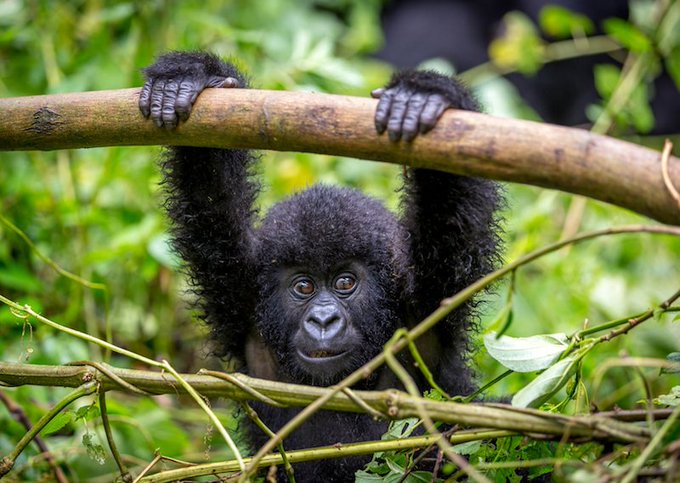
Standing just a few meters away from a silverback, watching young gorillas play, or observing a mother care for her infant is deeply moving. It’s a rare connection with nature that leaves a lasting impression.
The high chances of seeing gorillas mean that most travelers get to enjoy this unforgettable moment.
Conclusion
The chances of seeing mountain gorillas on a gorilla safari in Uganda are exceptionally high—over 95%. Thanks to habituated gorilla families, expert tracking teams, strict conservation measures, and well-organized trekking systems, Uganda offers one of the most reliable wildlife encounters in the world.
Whether you choose to trek in Bwindi Impenetrable National Park or Mgahinga Gorilla National Park, you can embark on your journey with confidence, knowing that your chances of seeing these magnificent creatures are incredibly strong.
In the end, gorilla trekking is not just about probability—it’s about the magic of the moment. And in Uganda, that moment is almost guaranteed.