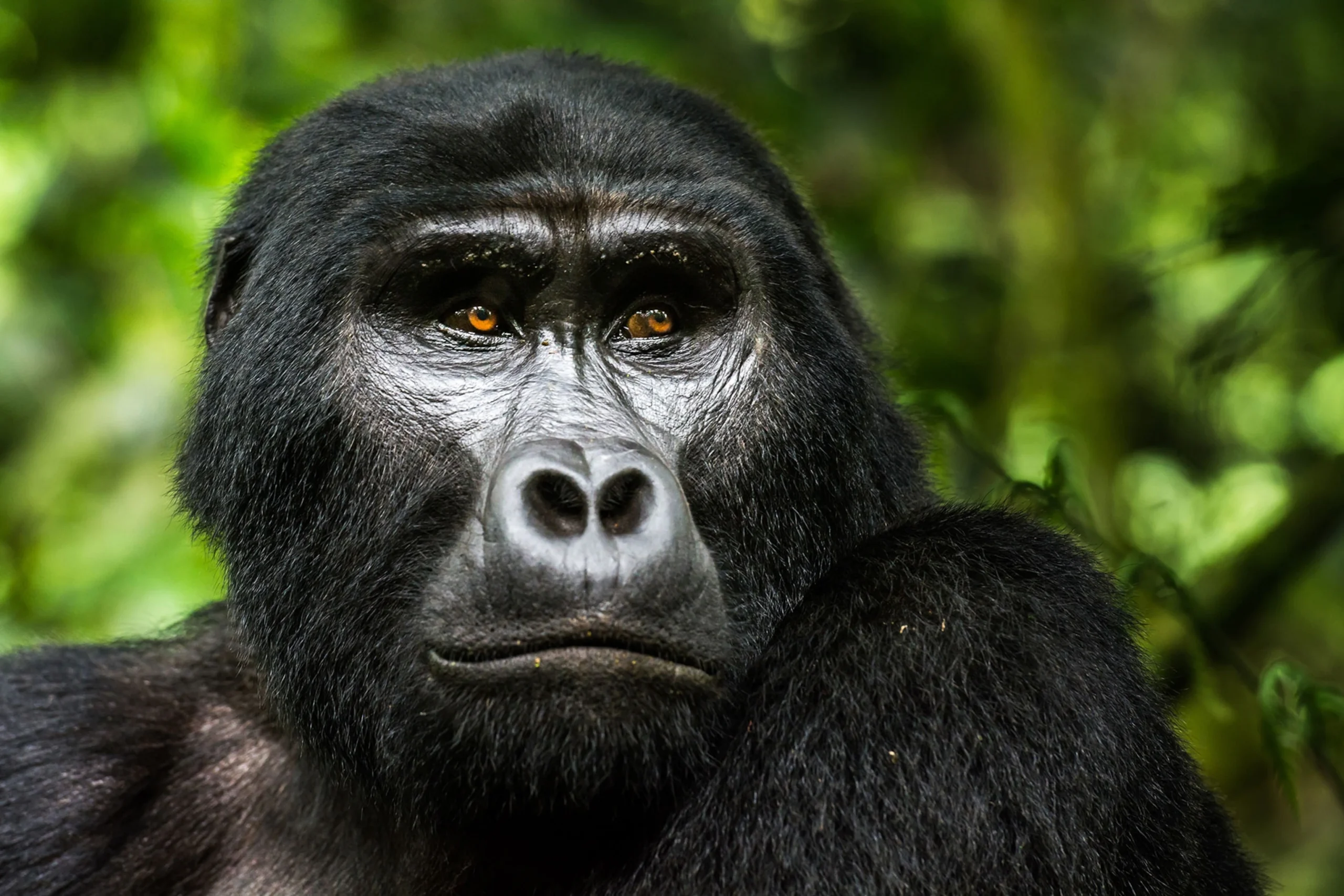
Traveling from Kampala to Bwindi Impenetrable National Park is one of the most common journeys for visitors planning a gorilla trekking safari in Uganda. While the destination is incredibly rewarding, the journey itself requires proper planning due to distance, terrain, and transport options.
So, how far is Kampala from Bwindi, and what should you expect along the way? Let’s explore everything in detail.
1. Distance from Kampala to Bwindi Impenetrable National Park
The distance between Kampala and Bwindi Impenetrable National Park varies depending on the route and the specific sector of the park you are visiting.
On average:
- Distance: Approximately 460 to 540 kilometers (285 to 335 miles)
- Travel Time by Road: 8 hours to 10 hours
Bwindi is located in southwestern Uganda, near the borders with Rwanda and the Democratic Republic of Congo, making it one of the more remote but scenic destinations in the country.
2. Why the Journey Takes Long
Even though the distance may not seem extremely long, travel time is extended due to several factors:
Road Conditions
Much of the journey is on paved highways, but the final stretch leading into Bwindi involves:
- Murram (gravel) roads
- Narrow, winding mountain paths
- Steep terrain
Terrain
As you approach Bwindi, the landscape becomes mountainous and forested, slowing down travel speed.
Stops Along the Way
Most journeys include stops for:
- Meals and refreshments
- Fuel
- Scenic viewpoints
These breaks make the long drive more enjoyable but add to the total travel time.
3. Main Routes from Kampala to Bwindi
There are several routes you can take depending on the Bwindi sector you plan to visit.
Kampala – Masaka – Mbarara – Kabale – Bwindi
This is the most commonly used route and passes through major towns such as:
- Masaka
- Mbarara
- Kabale
It is ideal for accessing the southern sectors of Bwindi like Nkuringo and Rushaga.
Kampala – Masaka – Mbarara – Rukungiri – Buhoma
This route leads to the northern sector (Buhoma), which is one of the most popular trekking areas.
4. Travel Options from Kampala to Bwindi
There are several ways to travel from Kampala to Bwindi, depending on your budget, time, and comfort preferences.
4.1 By Road (Private Safari Vehicle)
This is the most popular option for tourists.
Advantages:
- Comfortable and flexible
- Opportunity to stop for sightseeing
- Ideal for group or guided safaris
Most safari packages include transport in a 4×4 vehicle with an experienced driver-guide.
4.2 By Domestic Flight
If you want to avoid long hours on the road, flying is the best option.
Flights operate from Entebbe International Airport or Kajjansi Airstrip to nearby airstrips such as:
- Kihihi Airstrip (for Buhoma sector)
- Kisoro Airstrip (for southern sectors)
Flight Duration: 1hour to 1.5 hours
After landing, you’ll take a short drive (1–2 hours) to your lodge.
4.3 By Public Transport (Not Recommended for Tourists)
While possible, public transport is not ideal for reaching Bwindi due to:
- Multiple connections
- Limited comfort
- Lack of direct access to park sectors
Tourists are advised to use private or organized transport for convenience and safety.
5. Scenic Highlights Along the Journey
The drive from Kampala to Bwindi is not just a transfer—it’s an adventure filled with beautiful scenery and cultural experiences.
Equator Crossing (Kayabwe)
You’ll have the chance to stop at the equator line for photos and demonstrations.
Rolling Hills of Western Uganda
As you approach southwestern Uganda, you’ll encounter:
- Lush green landscapes
- Tea plantations
- Terraced hills
Local Towns and Culture
Passing through towns like Mbarara gives you a glimpse into everyday Ugandan life, including:
- Markets
- Roadside vendors
- Traditional farms
6. Best Time to Travel
The journey to Bwindi can be done year-round, but the best time is during the dry seasons:
- June to September
- December to February
During these months:
- Roads are easier to navigate
- Travel time is more predictable
In the rainy season, roads—especially near Bwindi—can become muddy and slippery.
7. Choosing the Right Bwindi Sector
Bwindi has four main trekking sectors:
- Buhoma (north)
- Ruhija (east)
- Rushaga (south)
- Nkuringo (south)
Your travel route and total distance from Kampala will depend on which sector your gorilla permit is assigned to.
For example:
- Buhoma is slightly easier to access
- Nkuringo and Rushaga involve more mountainous terrain
8. Breaking the Journey
Because of the long distance, many travelers choose to break the journey into two days.
Popular Stopover: Lake Mburo National Park
Located about halfway between Kampala and Bwindi, Lake Mburo offers:
- Wildlife viewing (zebras, antelopes, buffalo)
- Boat rides
- Relaxation
This stop makes the trip more enjoyable and less tiring.
9. Travel Tips for a Smooth Journey
To make your trip from Kampala to Bwindi more comfortable, consider the following tips:
- Start early (around 6:00–7:00 AM)
- Carry snacks and water
- Wear comfortable clothing
- Bring a camera for scenic views
- Prepare for motion sickness if needed
If you’re traveling with a tour operator, most of these details will be handled for you.
10. Why the Journey Is Worth It
Although the journey is long, it is part of the adventure. Traveling from the bustling city of Kampala to the dense forests of Bwindi Impenetrable National Park offers a dramatic change in scenery and atmosphere.
By the time you arrive, you’ll have:
- Experienced Uganda’s diverse landscapes
- Seen rural and urban life
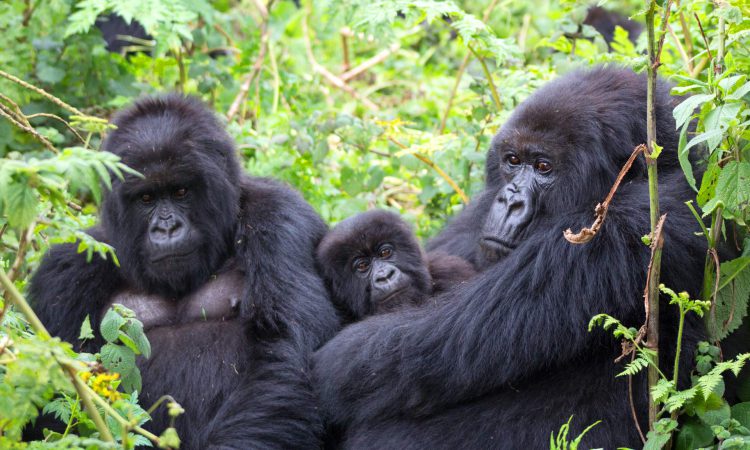
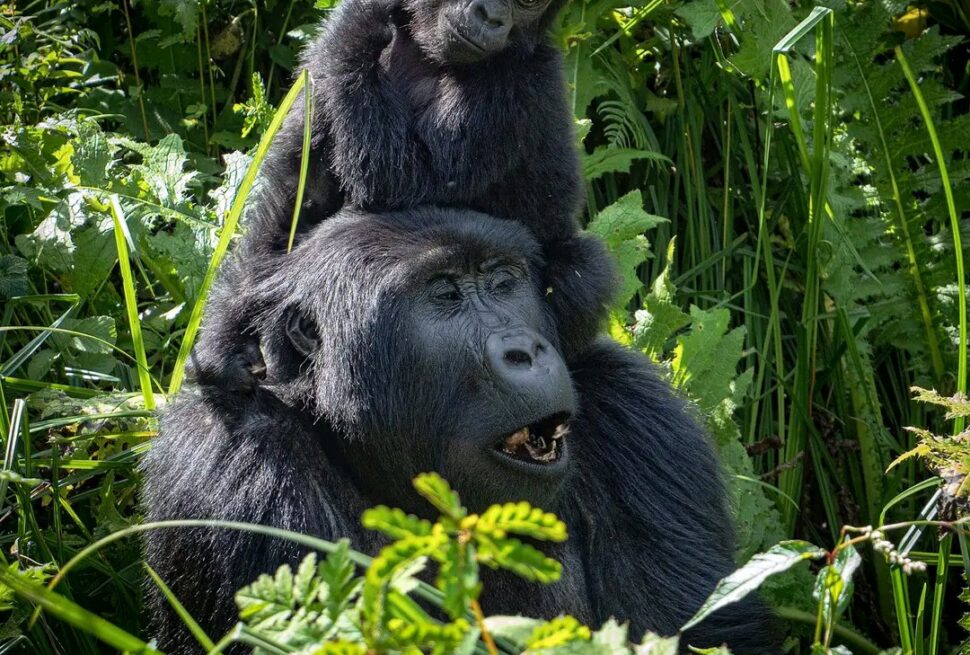
- Built anticipation for your gorilla trekking experience
And once you finally encounter mountain gorillas in the wild, every kilometer traveled feels worthwhile.
Conclusion
The distance from Kampala to Bwindi Impenetrable National Park ranges between 460 and 540 kilometers, with a travel time of about 8 to 10 hours by road. While the journey may seem long, it is filled with scenic beauty, cultural encounters, and opportunities to explore more of Uganda.
Whether you choose to drive through the countryside or take a domestic flight, reaching Bwindi is the first step toward one of the most unforgettable wildlife experiences in the world.
With proper planning, the journey becomes more than just a transfer—it becomes an essential part of your Ugandan safari adventure.