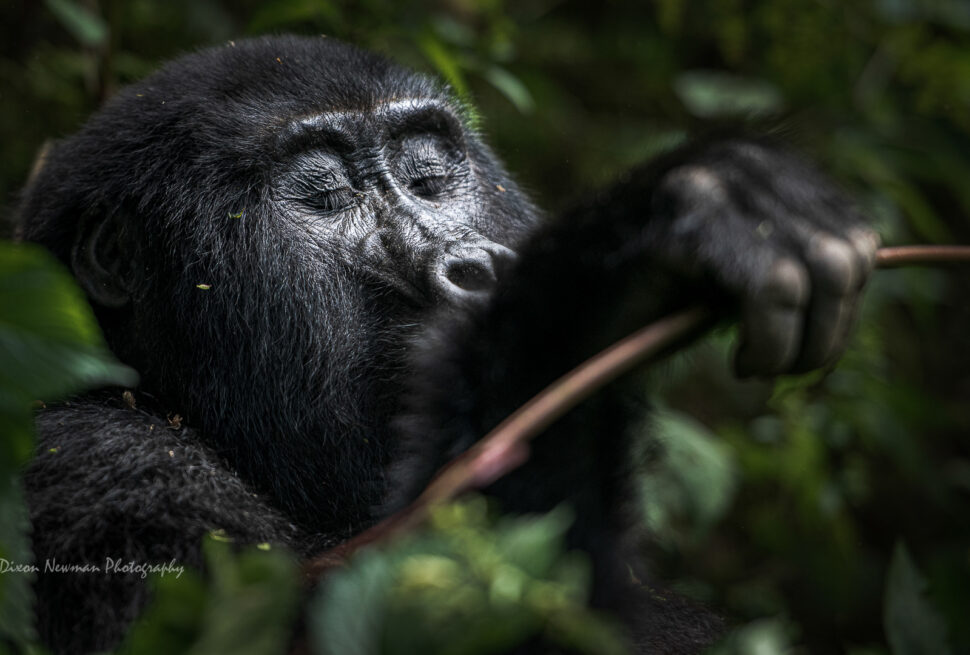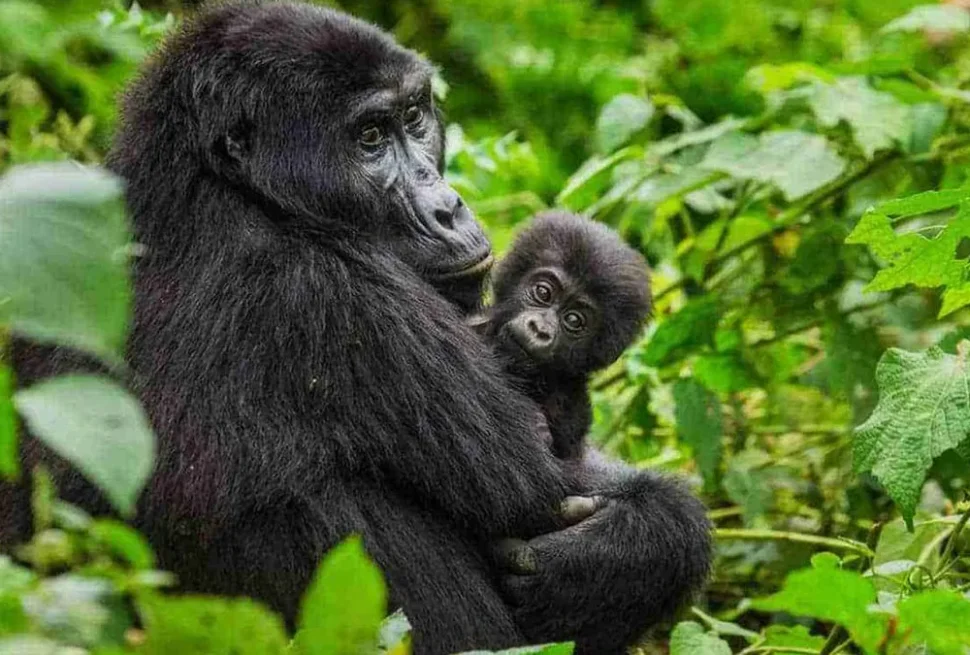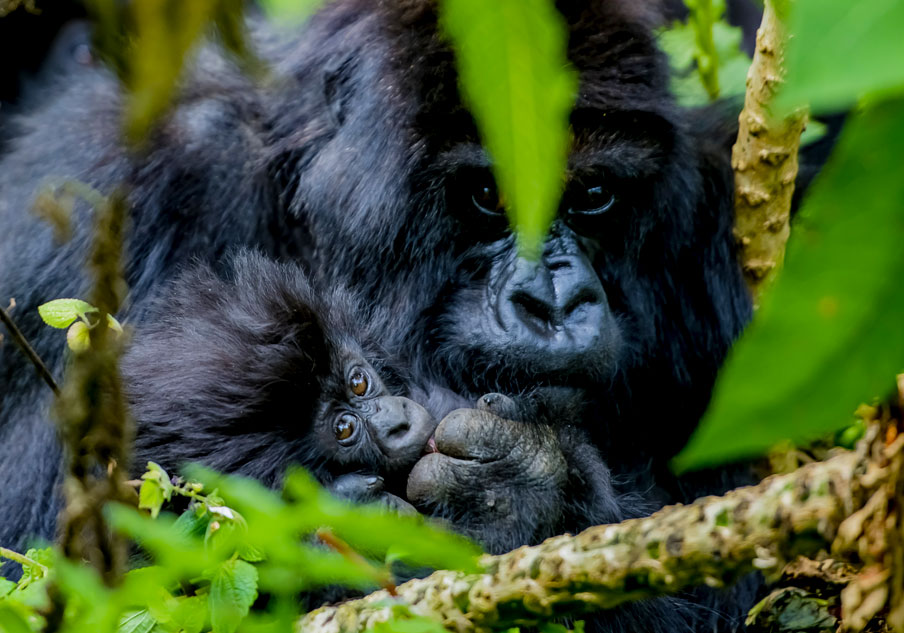
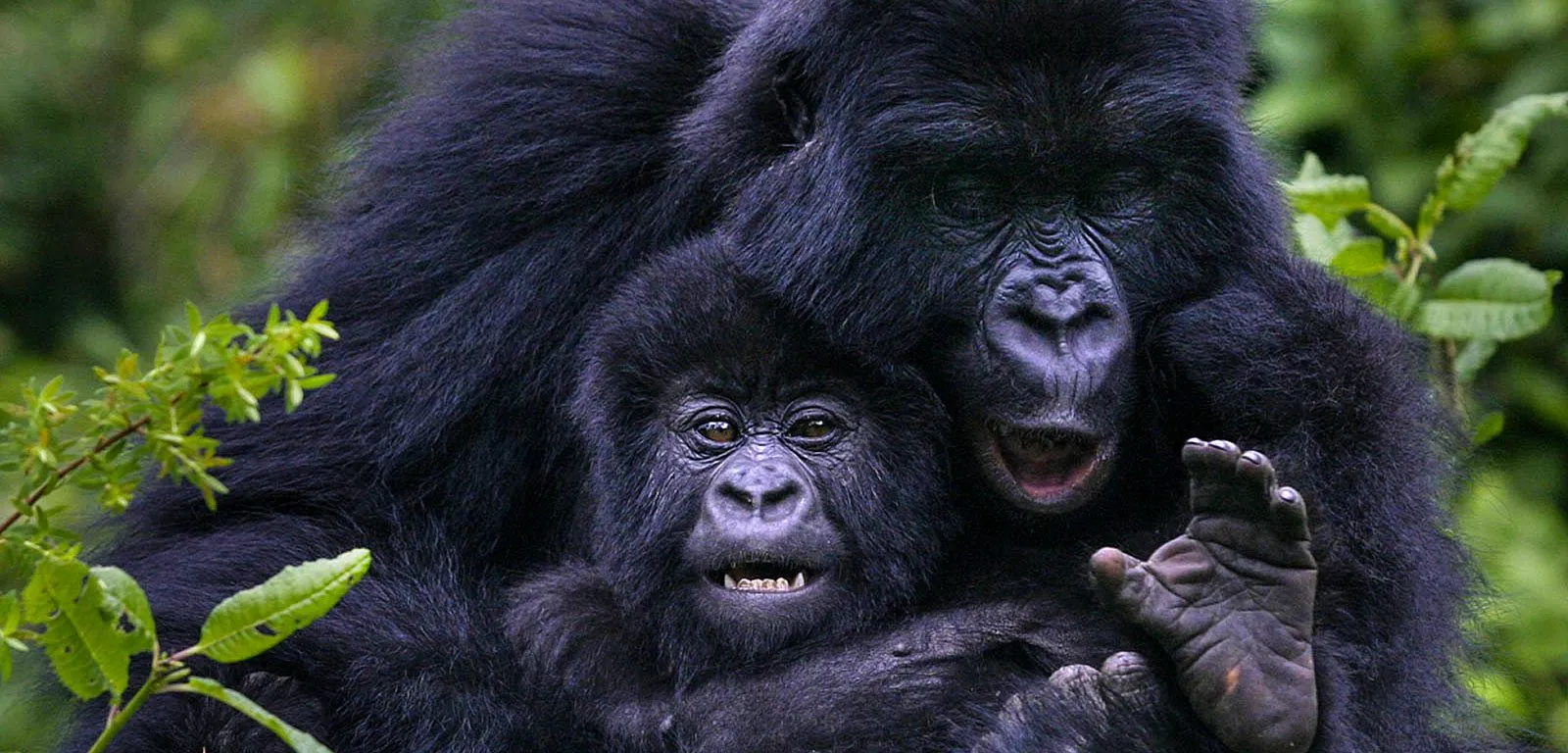
Coming face-to-face with a mountain gorilla is one of the most powerful wildlife experiences in the world. As you trek through the dense rainforest of Bwindi Impenetrable National Park or the volcanic slopes of Mgahinga Gorilla National Park, one of the most common questions travelers ask is: How close can you actually get to the gorillas?
The answer is both simple and fascinating. While there are official rules about distance, real-life encounters can sometimes feel much closer than expected. In this detailed guide, we explain the official guidelines, what happens in reality, and how to behave during your unforgettable gorilla encounter in Uganda.
The Official Distance Rule: 7 Meters (About 21 Feet)
The standard rule for gorilla trekking is:
👉 You must stay at least 7 meters (21 feet) away from the gorillas at all times.
This rule is enforced by rangers and guides during all treks in Uganda.
Why 7 Meters?
The distance rule exists for two main reasons:
1. Protecting the Gorillas
Mountain gorillas share about 98% of human DNA, which means they are highly vulnerable to human diseases.
Even a common cold can be dangerous for them.
2. Ensuring Visitor Safety
Although gorillas are generally gentle and calm, they are still powerful wild animals. Maintaining distance helps prevent:
- Stress or aggression
- Unpredictable reactions
- Accidental contact
What Happens in Real Life? (Closer Than You Expect)
While the 7-meter rule is the official guideline, the reality in the forest can be quite different.
Gorillas Don’t Follow the Rules
Gorillas are free-moving wild animals. Sometimes, they:
- Walk toward you
- Pass very close by
- Sit just a few feet away
In these moments, you are not required to move away suddenly—instead, your guide will instruct you on what to do.
How Close Can It Get?
In some cases, gorillas may come within:
- 2–3 meters
- Or even closer (sometimes arm’s length)
These moments are rare but incredibly special—and they happen because the gorillas are habituated to human presence.
What Does “Habituated” Mean?
Habituated gorillas are groups that have undergone a long process of getting used to humans.
In Bwindi Impenetrable National Park:
- Habituation can take 2–3 years
- Gorillas learn that humans are not a threat
- They behave naturally even when observed
This is why close encounters are possible without disturbing them.
How to Behave When Gorillas Come Close
When a gorilla approaches you, your reaction is extremely important.
Do’s
- Stay calm and still
- Avoid direct eye contact
- Follow your guide’s instructions
- Lower your body slightly (a sign of respect)
Don’ts
- Do not touch the gorilla
- Do not run or panic
- Do not make sudden movements
- Do not use flash photography
Your calm behavior helps maintain a peaceful interaction.
The One-Hour Rule
Once you reach a gorilla family, you are allowed:
👉 One hour with the gorillas
During this time, you can:
- Observe their behavior
- Take photos (without flash)
- Watch interactions within the group
Even if they come very close, the time limit ensures minimal disturbance to their daily life.
Gorilla Body Language: What It Means
Understanding gorilla behavior helps you stay safe.
Relaxed Behavior
- Eating
- Grooming
- Playing
This means the gorillas are comfortable.
Warning Signs
- Chest beating
- Loud vocalizations
- Direct staring
If this happens, your guide will advise you on how to respond—usually by staying calm and avoiding eye contact.
Safety Measures During Gorilla Trekking
Gorilla trekking in Uganda is very safe due to strict regulations.
Key Safety Features
- Armed rangers accompany every group
- Small groups (maximum 8 people)
- Pre-trek briefing on rules and behavior
These measures ensure both visitor safety and gorilla conservation.
Why You Should Never Touch Gorillas
Even if a gorilla comes extremely close, touching is strictly forbidden.
Reasons
- Risk of disease transmission
- Disruption of natural behavior
- Safety concerns
Maintaining respect and distance is essential for conservation.
Photography Tips for Close Encounters
Close encounters provide amazing photo opportunities.
Tips
- Use a zoom lens for better framing
- Avoid flash
- Stay steady and patient
- Capture natural behavior, not just poses
Sometimes, the best moments happen when you simply observe rather than photograph.
Differences Between Uganda and Other Countries
Gorilla trekking rules are similar across all destinations, including:
- Rwanda
- Democratic Republic of the Congo
However, Uganda often offers:
- More varied terrain
- Larger number of gorilla families
- More affordable permits
Emotional Impact of Close Gorilla Encounters
Many travelers describe the moment a gorilla comes close as:
- Humbling
- Emotional
- Life-changing
Looking into the eyes of a gorilla—so similar to our own—creates a deep connection that is hard to put into words.
Tips to Maximize Your Gorilla Encounter
- Choose the right trekking sector in Bwindi Impenetrable National Park
- Follow your guide carefully
- Stay relaxed and patient
- Be present in the moment
The less you try to control the experience, the more magical it becomes.
Common Myths About Gorilla Distance
“You will always be far away”
Not true—gorillas often come closer than expected.
“Gorillas are dangerous”
They are gentle and calm when respected.
“You can interact physically”
Absolutely not—no touching is allowed.
Why Distance Rules Matter for Conservation
The 7-meter rule plays a crucial role in:
- Protecting endangered gorillas
- Preventing disease transmission
- Ensuring sustainable tourism
By following these rules, you help preserve gorillas for future generations.
Final Thoughts
So, how close can you get to the gorillas?
Officially, you must stay 7 meters away, but in reality, gorillas sometimes come much closer—creating unforgettable, once-in-a-lifetime moments.
Whether you’re trekking in Bwindi Impenetrable National Park or exploring Mgahinga Gorilla National Park, the experience is both safe and deeply moving.
Respect the rules, follow your guide, and embrace the moment—because few wildlife encounters on Earth can match the magic of being near a mountain gorilla in the wild.