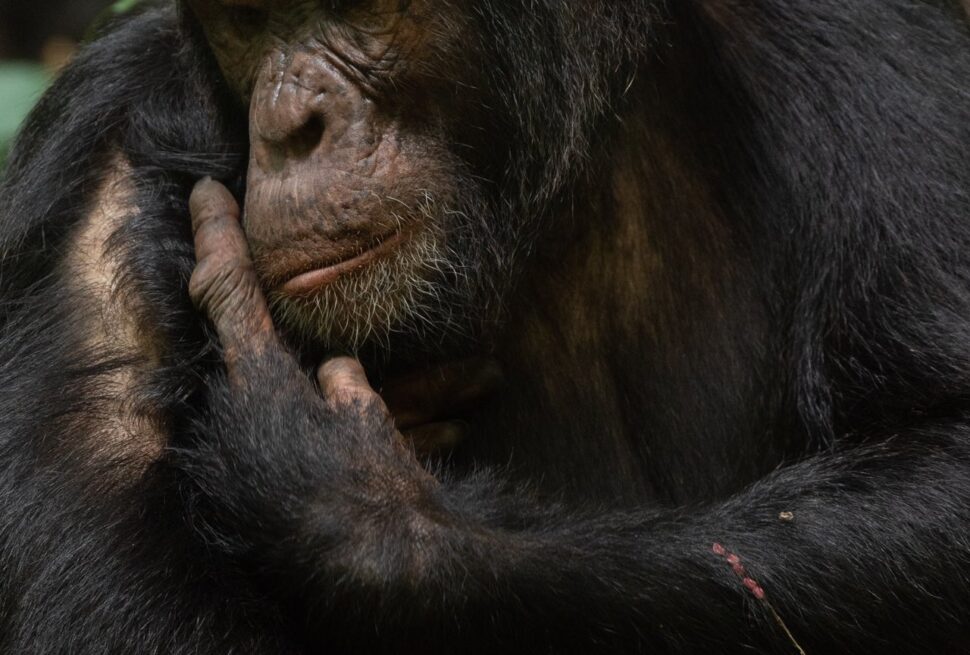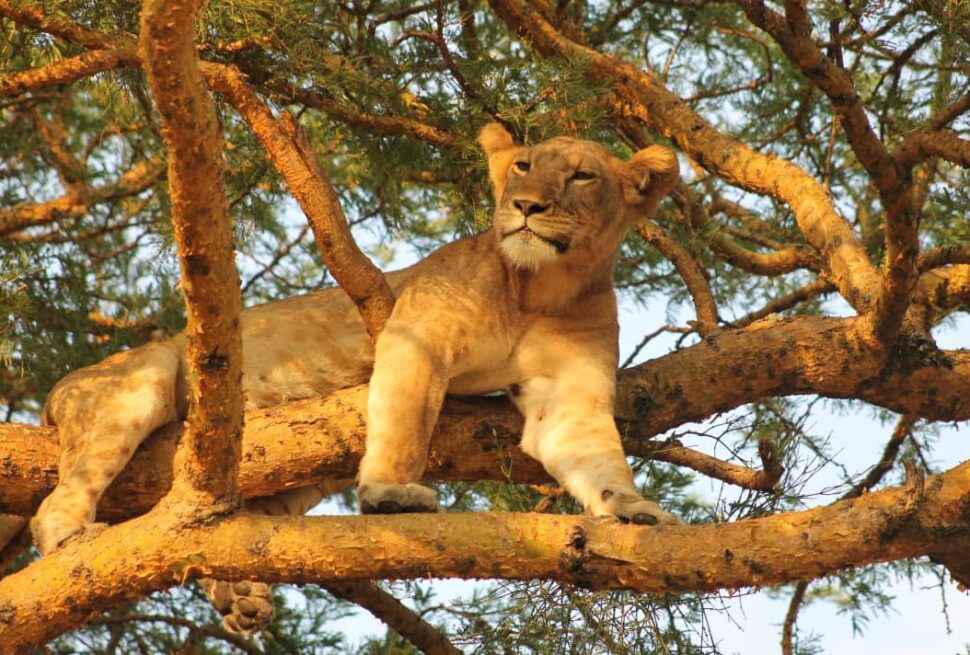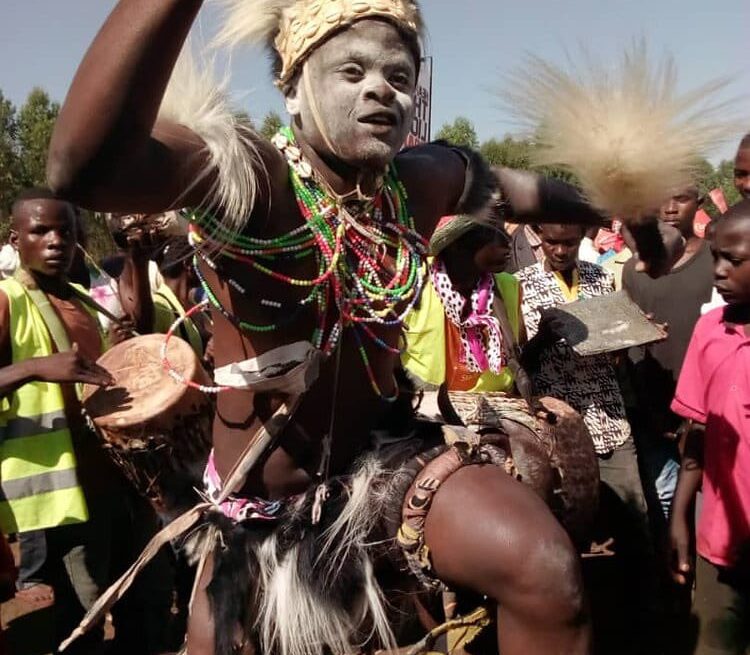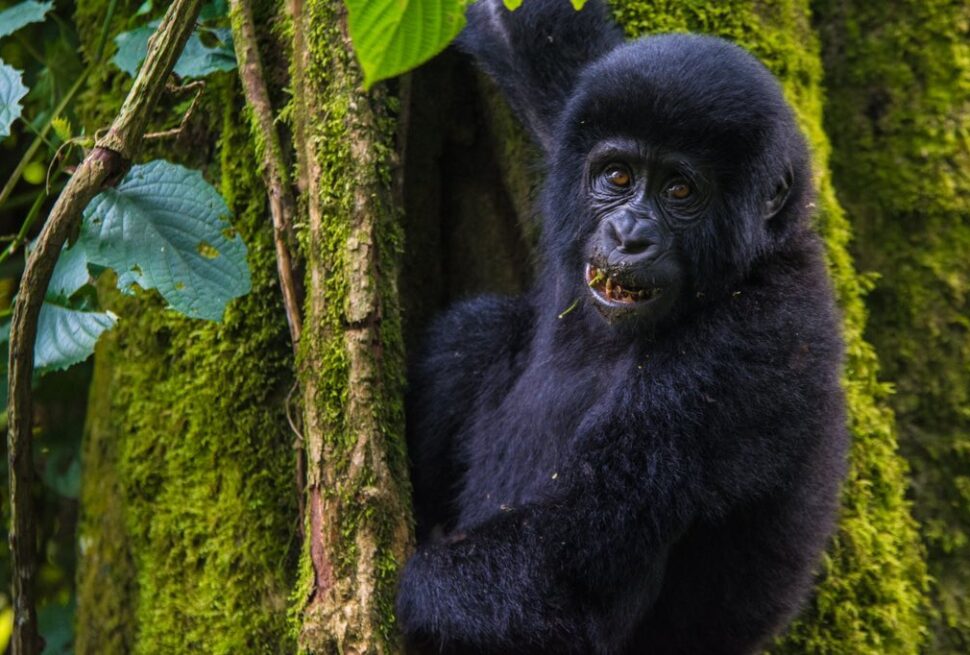
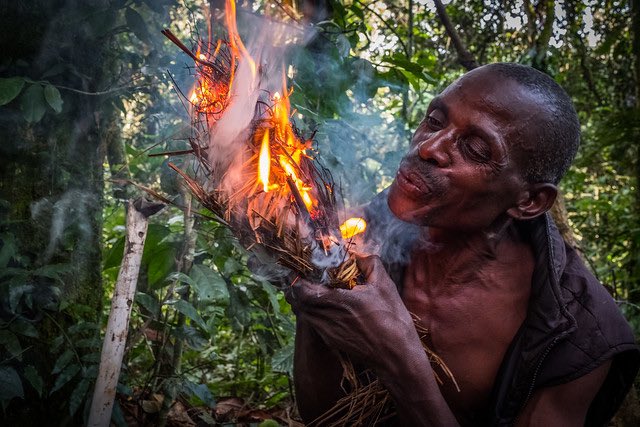
Yes, you can absolutely visit villages during your safari in Uganda, and doing so can be one of the most rewarding parts of your journey. While many travelers book Uganda safari tours to see mountain gorillas, chimpanzees, lions, elephants, giraffes, and other wildlife, Uganda offers much more than national parks and game drives. Visiting local villages gives you an opportunity to meet communities, learn about traditional lifestyles, taste local food, experience music and dance, and understand the cultures that make Uganda known as the Pearl of Africa.
A well-planned Uganda safari package can combine wildlife viewing with authentic cultural experiences. You can visit communities around national parks, participate in community walks, meet local artisans, learn traditional cooking, visit farms, and discover how people live alongside Uganda’s wildlife.
From the Batwa communities near Bwindi to the Bigodi community near Kibale, the Karamojong communities in northeastern Uganda, and the villages around Queen Elizabeth National Park, there are many opportunities to include cultural experiences in your Uganda safari tours.
This guide explains how village visits work, where you can go, what you can expect to see, how to behave respectfully, and why adding a village experience can make your Uganda safari even more memorable.
Why Visit Villages During Uganda Safari Tours?
Experience Uganda Beyond Wildlife
A traditional Uganda wildlife safari focuses on national parks, game drives, boat cruises, and primate trekking. These experiences are unforgettable, but visiting a local community allows you to see another side of Uganda.
A village visit can help you discover:
- Traditional lifestyles
- Local food
- Traditional farming
- Handicrafts
- Music and dance
- Local languages
- Community history
- Traditional medicine
- Family life
- Local conservation initiatives
Instead of simply observing Uganda’s landscapes through a safari vehicle, you have the opportunity to meet the people who call these places home.
Are Village Visits Included in Uganda Safari Packages?
Cultural Activities Can Be Added to Your Safari
Village visits are not automatically included in every Uganda safari package. They are usually optional activities that can be added depending on your itinerary, destination, interests, and available time.
When booking your Uganda safari tours, you can request a cultural experience alongside:
- Gorilla trekking
- Chimpanzee trekking
- Game drives
- Boat cruises
- Birdwatching
- Nature walks
- Hiking
Your tour operator can arrange an organized community visit with local guides or community-based tourism groups.
Visit the Bigodi Community Near Kibale National Park
One of the Best Community Experiences in Uganda
The Bigodi community near Kibale National Park is one of the best-known community tourism destinations in western Uganda.
A guided Bigodi community walk can introduce you to everyday life outside the forest.
Visitors may experience:
- Local farming
- Banana plantations
- Coffee gardens
- Traditional food preparation
- Local crafts
- Medicinal plants
- Wetland walks
- Traditional music and dance
The community experience can be combined with chimpanzee trekking in Kibale National Park, making it an excellent addition to Uganda safari packages.
Visit Batwa Communities Near Bwindi
Learn About the Forest People
Travelers visiting Bwindi for gorilla trekking Uganda can also participate in Batwa cultural experiences.
The Batwa are an Indigenous forest community with a long history connected to the forests of the Albertine Rift.
A responsible Batwa cultural experience may introduce visitors to:
- Traditional forest knowledge
- Hunting and gathering traditions
- Medicinal plants
- Traditional songs
- Dance
- Storytelling
- Handicrafts
- Community life
These experiences can provide important insights into the cultural history surrounding Bwindi.
Visitors should choose responsible community tourism programs that ensure local communities benefit directly from tourism.
Experience Karamojong Culture in Northeastern Uganda
Discover Traditional Life in Karamoja
If your Uganda safari tour takes you to Kidepo Valley National Park, consider adding a Karamojong cultural experience.
The Karamojong are a pastoralist community whose traditional lifestyle has historically been closely connected to cattle, land, family, and community.
Visitors may learn about:
- Traditional homesteads
- Cattle keeping
- Traditional clothing
- Music and dance
- Local food
- Community organization
- Traditional beliefs
A Karamojong village visit adds a cultural dimension to a Kidepo safari and helps travelers understand the people and traditions of northeastern Uganda.
Explore Buganda Culture in Kampala
Experience Uganda’s Royal Heritage
Travelers starting their Uganda safari tours in Kampala can include a cultural experience before heading to the national parks.
The Buganda Kingdom has played a major role in the history and culture of central Uganda.
A Kampala cultural tour can include attractions associated with Buganda heritage, such as:
- Kabaka’s Palace
- Kasubi Royal Tombs
- Traditional craft markets
- Cultural centers
- Local restaurants
Visitors can learn about traditional leadership, royal history, music, dance, food, and crafts.
Visit Local Villages Around Queen Elizabeth National Park
Combine Wildlife and Community Experiences
Queen Elizabeth National Park is famous for its wildlife, including elephants, buffaloes, hippos, lions, leopards, and numerous antelope species.
However, communities surrounding the park also offer interesting cultural experiences.
Depending on the community program, visitors may participate in:
- Village walks
- Fishing community visits
- Traditional cooking
- Craft demonstrations
- Coffee experiences
- Music and dance
- Community conservation activities
This makes Queen Elizabeth an excellent destination for travelers seeking a combination of Uganda wildlife safari and cultural tourism.
Experience Traditional Ugandan Food
Taste Local Cuisine During a Village Visit
Food is an important part of Ugandan culture.
During an organized village experience, you may have the opportunity to learn how traditional foods are prepared.
Common foods include:
- Matooke
- Posho
- Cassava
- Sweet potatoes
- Beans
- Groundnut sauce
- Fresh fish
- Chicken
- Beef
- Tropical fruits
In some communities, visitors can participate in preparing a meal.
Trying local food allows travelers to understand everyday life in Uganda beyond the safari lodges.
Learn About Traditional Farming in Uganda
Discover How Rural Communities Produce Food
Agriculture is an important part of life for many Ugandan communities.
During a village or community walk, you may see:
- Banana plantations
- Coffee farms
- Tea plantations
- Cassava gardens
- Maize fields
- Vegetable gardens
- Fruit trees
Local guides can explain how crops are planted, harvested, processed, and used by families.
For travelers interested in sustainable tourism, these experiences offer valuable insight into rural livelihoods.
Enjoy Traditional Music and Dance
Experience Uganda’s Cultural Rhythms
Music, dance, and storytelling are important aspects of many Ugandan cultures.
During organized cultural experiences, visitors may watch or participate in:
- Traditional drumming
- Singing
- Dancing
- Storytelling
- Cultural performances
If you are invited to participate, joining the dance can be a fun and memorable experience.
Always follow the guidance of local performers and your cultural guide.
Meet Local Artisans
Discover Handmade Ugandan Crafts
Village visits can provide opportunities to meet local artisans and learn how traditional crafts are produced.
Popular products include:
- Woven baskets
- Mats
- Pottery
- Wooden carvings
- Jewelry
- Textiles
- Bark cloth products
- Musical instruments
Buying directly from local artisans helps support community livelihoods.
It is also a meaningful way to take home a souvenir connected to your Uganda safari experience.
Learn About Traditional Medicine and Plants
Discover Local Knowledge
Many rural Ugandan communities have generations of knowledge about plants and their traditional uses.
During guided community walks, local experts may explain:
- Traditional medicinal plants
- Edible plants
- Fruit trees
- Forest resources
- Traditional uses of different plants
Visitors should treat this knowledge respectfully and understand that traditional practices should not be substituted for professional medical care.
Visit a Fishing Community
Experience Life Around Uganda’s Lakes
Uganda has numerous lakes and rivers surrounded by communities whose livelihoods are connected to fishing.
Depending on your itinerary, you may visit communities around:
- Lake Victoria
- Lake Bunyonyi
- Lake Edward
- Lake George
- Lake Kyoga
A fishing community visit can teach you about:
- Traditional fishing methods
- Fish processing
- Boat building
- Local markets
- Daily life along the water
These experiences complement boat cruises and wildlife viewing on Uganda safari tours.
Can Children Join Village Visits?
Family-Friendly Cultural Experiences
Many community visits can be suitable for families, depending on the activity and location.
Children can learn about:
- Local foods
- Farming
- Traditional crafts
- Music
- Dance
- Wildlife conservation
- Different ways of life
Parents should choose community experiences designed for visitors and follow local guidance regarding photography and interaction with children.
How to Respect Ugandan Communities
Responsible Tourism During Village Visits
A village is someone’s home, so cultural visits should always be conducted respectfully.
Important guidelines include:
Ask Before Taking Photographs
Always ask permission before photographing people, homes, ceremonies, or children.
Dress Respectfully
Modest clothing is recommended, especially in rural communities and religious areas.
Listen to Your Guide
Your local guide understands community customs and can explain what is appropriate.
Do Not Enter Homes Without Permission
Wait to be invited inside.
Avoid Giving Money Directly to Children
Instead, support organized community initiatives and local businesses.
Buy Local Products
Purchasing crafts directly from artisans provides meaningful economic support.
Respect Local Traditions
Do not make fun of cultural practices, clothing, music, food, or ceremonies.
Does Visiting Villages Support Conservation?
Connecting Communities and Wildlife Conservation
Community tourism can play an important role in conservation.
When local communities benefit from tourism, they have greater opportunities to earn income through:
- Guiding
- Craft production
- Cultural performances
- Accommodation
- Agriculture
- Transportation
- Community projects
This can strengthen the connection between tourism and conservation.
For example, communities living near national parks are important partners in protecting wildlife habitats.
Therefore, adding cultural experiences to Uganda safari packages can support both local livelihoods and conservation when tourism is responsibly managed.
Combine Village Visits with Gorilla Trekking Uganda
Create a Complete Uganda Safari Experience
One of the most rewarding itineraries combines culture with wildlife.
For example:
Day 1: Entebbe
Airport arrival and transfer to your hotel.
Day 2: Kampala
Kampala city and Buganda cultural experience.
Day 3–4: Kibale National Park
Chimpanzee trekking and Bigodi community walk.
Day 5–6: Queen Elizabeth National Park
Game drives and Kazinga Channel boat cruise.
Day 7–9: Bwindi Impenetrable National Park
Gorilla trekking and Batwa cultural experience.
This type of itinerary allows travelers to experience wildlife, forests, communities, and culture in one Uganda safari package.
Combine Kidepo Valley with a Karamojong Village Visit
Wildlife and Culture in Northeastern Uganda
For travelers with more time, Kidepo Valley National Park offers an extraordinary combination of wildlife and cultural experiences.
A safari can include:
- Game drives
- Nature walks
- Birdwatching
- Scenic viewpoints
- Karamojong cultural visits
The combination of remote wilderness and traditional culture makes Kidepo one of the most distinctive destinations for Uganda safari tours.
Best Time for Village Visits During Uganda Safari Tours
Cultural Experiences Are Available Throughout the Year
Village and community visits can generally be arranged throughout the year.
However, the dry seasons of June to September and December to February are popular for many Uganda safari tours because roads and outdoor activities are often easier.
The wetter seasons can also provide advantages, including:
- Lush green scenery
- Fewer visitors
- Beautiful landscapes
- Excellent birdwatching opportunities
Your ideal travel period depends on the combination of wildlife and cultural activities you want to experience.
What Should You Bring to a Ugandan Village?
Useful Items for a Community Visit
Consider carrying:
- Comfortable walking shoes
- Hat
- Sunscreen
- Insect repellent
- Reusable water bottle
- Light rain jacket
- Camera
- Small backpack
- Cash for locally made crafts
Avoid bringing unnecessary valuables or large amounts of cash.
Why Choose Memorable Gorilla Safari Uganda?
At Memorable Gorilla Safari Uganda, we believe an unforgettable safari should introduce visitors to both Uganda’s wildlife and its people.
Our customized Uganda safari tours can include:
- Gorilla trekking Uganda
- Gorilla habituation
- Chimpanzee trekking
- Big Five game drives
- Village visits
- Community walks
- Batwa cultural experiences
- Bigodi community tours
- Karamojong cultural experiences
- Buganda cultural tours
- Nile River adventures
- Boat cruises
- Birdwatching
- Cross-border safaris to Rwanda and Kenya
We work with local guides and community experiences to create meaningful itineraries that match your interests, travel dates, and budget.
Frequently Asked Questions About Village Visits in Uganda
Can tourists visit villages in Uganda?
Yes. Tourists can visit villages and communities through organized cultural and community tourism experiences. It is recommended to visit with a local guide or responsible tour operator rather than arriving unannounced.
Are village visits included in Uganda safari packages?
They can be included, but they are often optional activities. Ask your safari operator to add the cultural experiences you are interested in when designing your itinerary.
Which villages can I visit during a Uganda safari?
Popular community experiences include Bigodi near Kibale, Batwa cultural experiences near Bwindi, Karamojong communities near Kidepo, and communities around Queen Elizabeth National Park and Lake Bunyonyi.
Can I take photographs in Ugandan villages?
Yes, but always ask permission before photographing people, especially children, ceremonies, homes, and religious activities.
Can I buy crafts from local communities?
Yes. Buying handmade crafts directly from local artisans is an excellent way to support community livelihoods while taking home an authentic souvenir.
Can I combine village visits with gorilla trekking?
Absolutely. A gorilla trekking Uganda itinerary can include Batwa cultural experiences near Bwindi, while longer Uganda safari packages can combine gorilla trekking with community visits in Kibale, Queen Elizabeth, or other destinations.
Final Thoughts: Discover Uganda Through Its Villages and Communities
Visiting villages during your safari in Uganda is an excellent way to experience the country beyond its famous national parks. While Uganda safari tours provide unforgettable opportunities to see mountain gorillas, chimpanzees, lions, elephants, giraffes, hippos, and other wildlife, cultural experiences allow you to meet the people who call these remarkable landscapes home.
From the Bigodi community near Kibale to Batwa cultural experiences near Bwindi, Karamojong communities near Kidepo, fishing villages around Uganda’s lakes, and Buganda cultural experiences in Kampala, there are many ways to add authentic cultural encounters to your journey.
A well-planned Uganda safari package can combine village visits with gorilla trekking, chimpanzee trekking, wildlife game drives, boat cruises, birdwatching, and scenic adventures. By visiting responsibly, asking permission before taking photographs, respecting local customs, buying from local artisans, and supporting organized community tourism, you can help ensure that tourism benefits the people you meet.
Uganda is more than a wildlife destination. It is a country of diverse cultures, welcoming communities, spectacular landscapes, and extraordinary wildlife. Adding a village experience to your Uganda safari tours can turn an already unforgettable trip into a deeper and more meaningful journey through the Pearl of Africa.