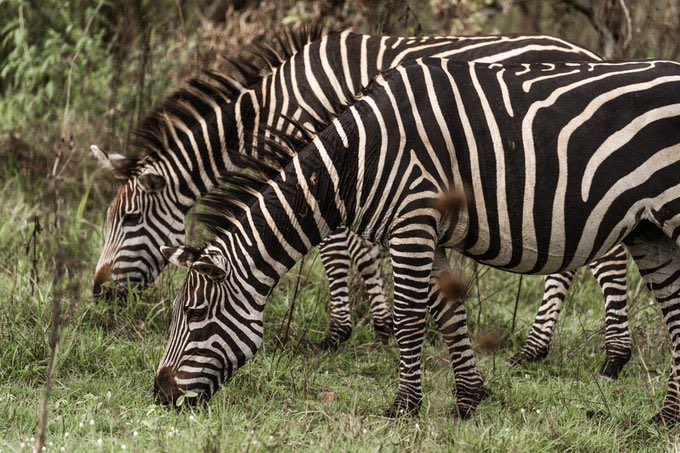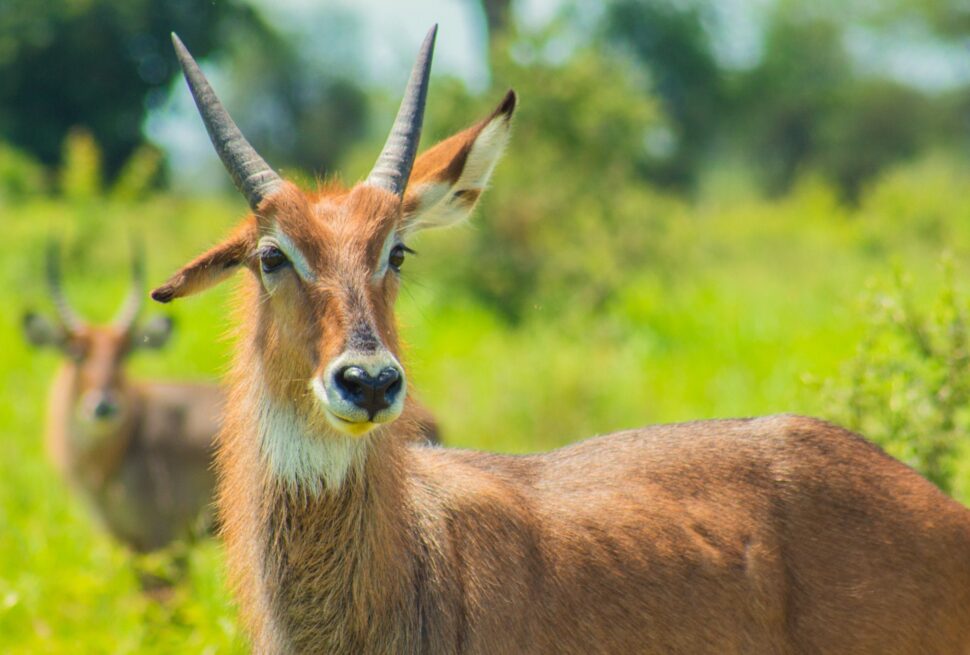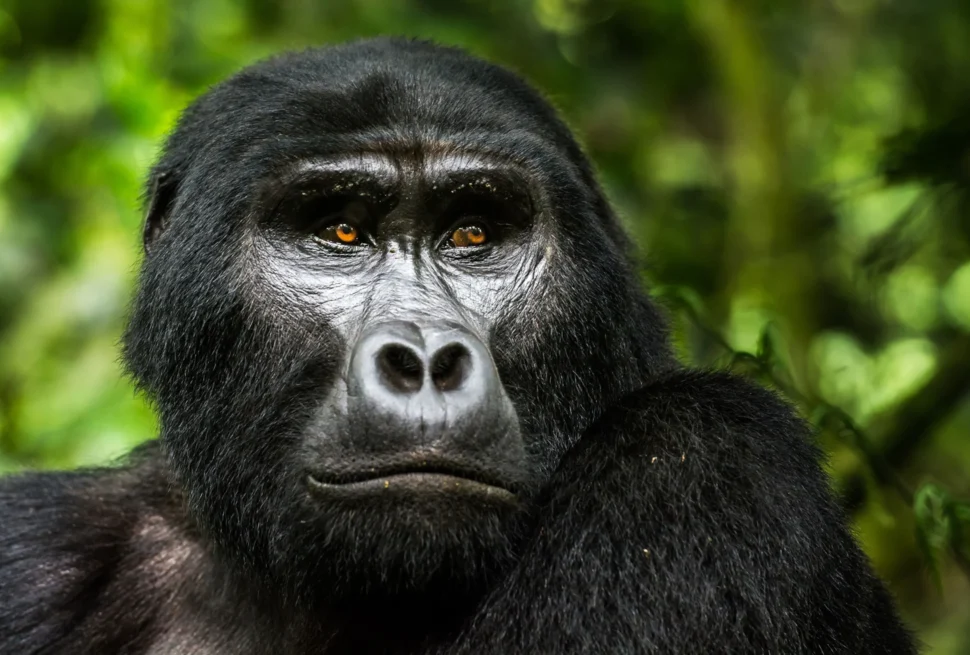
Planning an unforgettable African adventure? Uganda is one of East Africa’s most rewarding safari destinations, offering mountain gorilla trekking, chimpanzee tracking, exciting wildlife game drives, boat cruises, and rich cultural experiences. Before travelling, one important question many visitors ask is: What currency is used in Uganda on a safari?
The official currency of Uganda is the Ugandan shilling (UGX). Although some safari lodges, tour operators, and tourism businesses accept US dollars, having Ugandan shillings makes everyday purchases easier, especially when visiting local markets, buying souvenirs, tipping service providers, and travelling through rural communities.
With a little preparation, managing money during your Uganda safari tours is straightforward. This guide explains the currency used in Uganda, where to exchange money, whether credit cards are accepted, and how to prepare financially for gorilla trekking and wildlife safaris.
1. What Is the Official Currency Used in Uganda on Safari?
The Ugandan shilling, abbreviated as UGX, is the official currency used throughout Uganda. You will use it for everyday purchases in cities, towns, villages, and communities near national parks.
Ugandan currency includes banknotes in denominations such as UGX 1,000, 2,000, 5,000, 10,000, 20,000, and 50,000. Coins are also in circulation, although banknotes are generally more useful for many tourist transactions.
During your Uganda wildlife safari, you may need Ugandan shillings for:
- Buying drinks, snacks, and meals outside your safari lodge.
- Purchasing handmade crafts and souvenirs from local markets.
- Paying for small services in towns and rural communities.
- Giving tips to porters, lodge staff, and other service providers.
- Supporting community tourism projects and cultural experiences.
Having a mixture of smaller and larger banknotes makes paying easier. Small denominations are particularly helpful when buying inexpensive items or making purchases from local vendors.
2. Can You Use US Dollars on Uganda Safari Tours?
Yes. US dollars are widely used in Uganda’s tourism industry, particularly for safari bookings, accommodation, and other travel services. Many international visitors arrange their Uganda safari packages in US dollars before arriving.
Safari operators may quote prices in dollars for activities such as gorilla trekking, chimpanzee tracking, private safari transport, accommodation, and guided wildlife tours. Payment arrangements depend on the operator and the service being booked.
Some safari lodges and tourism businesses also accept US dollars directly. However, do not assume every business accepts foreign currency. Small restaurants, local shops, craft markets, and community vendors generally prefer Ugandan shillings.
If you plan to bring US dollars, carry clean, undamaged banknotes. Older notes, particularly those printed before 2009, may be refused by banks or exchange bureaus. Marked, torn, or heavily worn notes can also cause problems. Larger denominations may receive better exchange rates than smaller bills, depending on the exchange bureau.
For a smooth Uganda safari holiday, consider carrying both US dollars for suitable tourism payments and Ugandan shillings for everyday spending.
3. Where Can You Exchange Money During Your Uganda Safari?
Visitors can exchange foreign currency at licensed forex bureaus and banks in major urban centres, including Kampala and Entebbe. Some hotels and other tourism establishments may also provide currency exchange services, although their rates can differ.
Entebbe International Airport is a convenient place to exchange a small amount of money after arrival. However, comparing rates at licensed exchange bureaus in town may help you obtain a more favourable deal.
For the best preparation:
- Compare exchange rates and ask about fees before exchanging money.
- Use licensed forex bureaus or established banks.
- Count your money before leaving the counter.
- Keep your exchange receipt until you are satisfied with the transaction.
- Avoid exchanging money with unauthorised street dealers.
Exchange rates change, so check the current rate shortly before departure. For example, the Uganda Revenue Authority publishes exchange-rate information, which can help you understand reference rates before your trip.
It is also wise to exchange or withdraw enough local currency before travelling to remote destinations such as Bwindi Impenetrable National Park, Murchison Falls National Park, and Queen Elizabeth National Park, where financial services may be limited.
4. Are Credit Cards Accepted on Uganda Safari Tours?
Yes, credit and debit cards are useful during Uganda safari tours, especially in Kampala, Entebbe, larger towns, and established hotels and lodges.
Visa and Mastercard are among the most useful cards to carry. Some safari lodges, restaurants, supermarkets, and travel companies accept card payments, but availability varies by establishment. Smaller guesthouses, rural shops, community markets, and roadside vendors may accept cash only.
Before travelling, contact your accommodation provider or safari operator to confirm which payment methods are accepted. Ask whether card fees or foreign transaction charges apply.
You should also:
- Inform your bank that you will be travelling to Uganda.
- Check your card’s international transaction and withdrawal fees.
- Carry a backup card and store it separately from your main card.
- Keep some emergency cash in a secure place.
- Use ATMs attached to established banks whenever possible.
ATMs are available in major towns, but you should not depend on finding one near every national park or remote safari lodge. Withdrawing cash in advance makes your Uganda wildlife safari more convenient.
5. How Much Cash Should You Carry on a Uganda Wildlife Safari?
The amount of cash you need depends on your itinerary, travel style, accommodation, and what is already included in your safari package.
If your Uganda safari package includes transport, accommodation, meals, park activities, and a professional safari guide, your additional spending may be relatively modest. You may mainly need money for tips, drinks, souvenirs, optional activities, and personal purchases.
For example, visitors taking gorilla trekking safaris in Bwindi may want cash for hiring a porter, purchasing local crafts, or enjoying a community visit. Travellers visiting Murchison Falls National Park or Queen Elizabeth National Park may want money for souvenirs and small purchases during stops along the journey.
Rather than carrying large amounts of cash, estimate your likely expenses and withdraw or exchange money as needed. Keep cash secure, avoid displaying large sums in public, and separate your spending money from your emergency reserve.
When booking with a Uganda safari company, ask which expenses are included and which must be paid separately. This helps you plan your budget accurately before departure.
6. What Currency Should You Use for Gorilla Trekking in Uganda?
Gorilla trekking is one of Uganda’s most memorable travel experiences. Bwindi Impenetrable National Park and Mgahinga Gorilla National Park attract visitors who want to encounter endangered mountain gorillas in their natural habitat.
Many travellers book gorilla trekking permits and safari packages in advance, with prices commonly quoted in US dollars. Payment procedures depend on the relevant authority and booking arrangement, so confirm the accepted currency and payment method when reserving your permit.
During the trekking experience, Ugandan shillings are useful for local purchases and other personal expenses. You may also wish to carry small cash denominations for a porter or for buying crafts from community groups.
Combining gorilla trekking with a Uganda wildlife safari allows you to experience more of the country, from the forests of Bwindi to the savannah wildlife of Queen Elizabeth National Park and the scenic shores of Lake Bunyonyi.
7. Is Uganda Affordable for Foreign Safari Travellers?
Uganda offers a wide range of safari experiences for different budgets. Travellers can choose from affordable guesthouses, comfortable mid-range lodges, and luxury safari accommodation.
The total cost of Uganda safari tours depends on the number of days, destinations, transport arrangements, accommodation category, and activities included. Gorilla trekking permits can represent a significant part of the budget, while private transport and lodge choices also affect the final price.
Understanding the Ugandan shilling helps you manage everyday spending and appreciate local prices. It also makes it easier to purchase handmade souvenirs, enjoy local food, and support community tourism initiatives during your journey.
Whether you are planning a short wildlife safari or a longer Uganda and East Africa safari holiday, careful budgeting lets you focus on the experiences that matter most.
8. Practical Uganda Safari Currency Tips for First-Time Visitors
Before departing for Uganda, keep these simple tips in mind:
- Carry Ugandan shillings: They are the most practical currency for everyday purchases.
- Bring suitable US dollar notes: Choose clean, undamaged notes and confirm current exchange requirements.
- Use cards as a backup: Visa and Mastercard can be helpful, but acceptance is not universal.
- Exchange money in established locations: Use licensed forex bureaus or reputable banks.
- Prepare before entering national parks: Do not rely on ATMs being available near remote lodges.
- Check your safari inclusions: Confirm whether accommodation, meals, permits, park fees, and transfers have been paid.
- Keep emergency money separate: Store it securely and carry only the cash you need for the day.
These simple preparations help make your Uganda safari holiday more comfortable, leaving you free to enjoy the country’s wildlife, landscapes, and welcoming communities.
Conclusion: Prepare Your Money and Enjoy an Unforgettable Uganda Safari
The official currency used in Uganda is the Ugandan shilling (UGX). US dollars are also useful for many safari-related payments, while credit cards can be convenient at established hotels and larger tourism businesses. For the greatest flexibility, carry a combination of Ugandan shillings, suitable US dollar notes, and a reliable bank card.
With your money arrangements organised, you can concentrate on the highlights of Uganda safari tours: tracking mountain gorillas in Bwindi, watching elephants and lions on game drives, cruising the Kazinga Channel, exploring Murchison Falls, and discovering Uganda’s rich cultural heritage.
Ready to plan your Uganda safari adventure? Contact Memorable Gorilla Safari Uganda to explore personalised Uganda safari packages, gorilla trekking holidays, chimpanzee tracking trips, and unforgettable wildlife tours designed around your interests and budget.