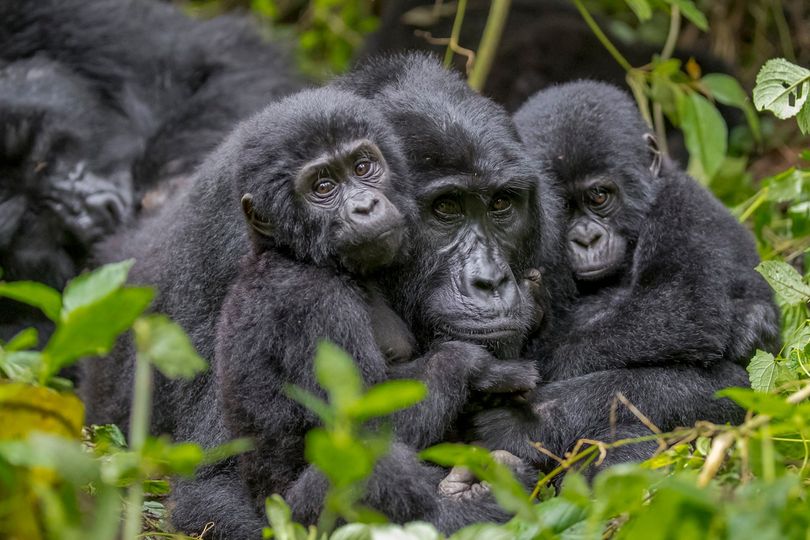
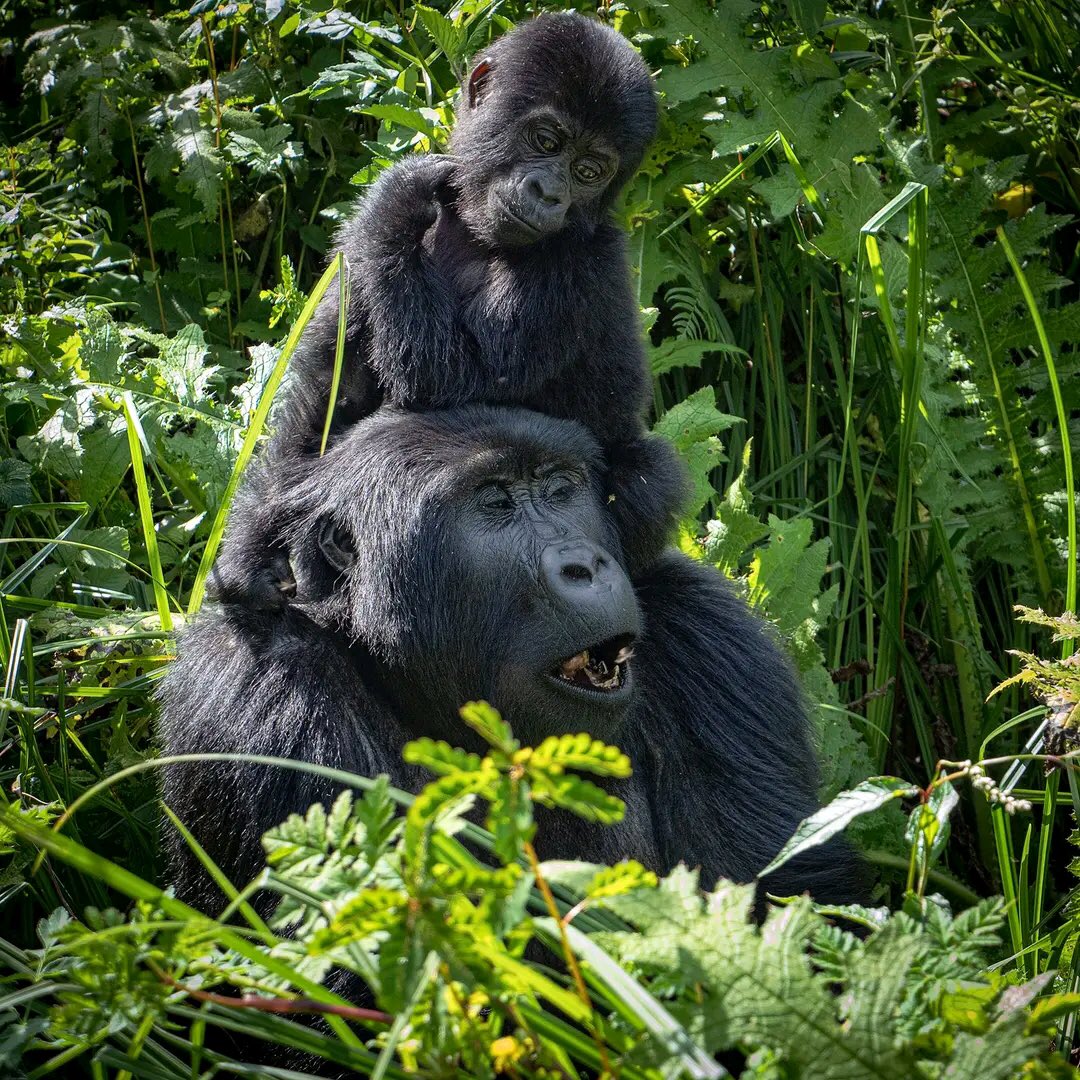
Gorilla trekking in Uganda is one of the most thrilling wildlife experiences on the planet. Walking through dense rainforest, climbing hills, and navigating muddy trails to meet mountain gorillas requires proper preparation—and that starts with what you wear.
If you’re planning to trek in Bwindi Impenetrable National Park or Mgahinga Gorilla National Park, choosing the right clothing can make the difference between a comfortable adventure and a challenging one. In this detailed guide, we’ll walk you through exactly what to wear, why it matters, and how to prepare for different conditions.
Why Proper Clothing Matters for Gorilla Trekking
Gorilla trekking is not a typical walk in the park. The environment is:
- Dense and sometimes “impenetrable” rainforest
- Steep and uneven terrain
- Often wet, muddy, and humid
Wearing the right gear helps you:
- Stay comfortable and dry
- Avoid insect bites and scratches
- Move safely through difficult terrain
The Essential Gorilla Trekking Outfit
1. Long-Sleeved Shirts
A lightweight, breathable long-sleeved shirt is essential.
Why It’s Important
- Protects your arms from scratches
- Shields against insect bites
- Helps regulate body temperature
Choose neutral colors like green, brown, or khaki to blend into the environment.
2. Long Trousers (Safari Pants)
Avoid shorts at all costs.
Benefits
- Protects legs from thorns and nettles
- Reduces risk of insect bites
- Keeps you warm in cooler forest areas
Quick-dry and lightweight materials are ideal.
3. Waterproof Hiking Boots
Good footwear is one of the most important items.
Features to Look For
- Strong grip for slippery trails
- Ankle support for uneven terrain
- Waterproof material
The forests of Bwindi Impenetrable National Park can be muddy, especially during rainy seasons.
4. Thick Hiking Socks
Pair your boots with durable socks.
Why They Matter
- Prevent blisters
- Keep your feet warm
- Add comfort during long hikes
You may also tuck your trousers into your socks to keep insects out.
5. Lightweight Rain Jacket
Rain can occur at any time in Uganda’s rainforest.
Benefits
- Keeps you dry
- Protects against wind and cold
A compact, waterproof jacket is ideal.
6. Gardening or Trekking Gloves
This is a surprisingly essential item.
Why You Need Them
- Protect your hands when grabbing vegetation
- Help with balance on steep trails
- Prevent cuts and scratches
7. Hat or Cap
A hat is useful for both sun and light rain.
Benefits
- Protects from sun exposure
- Keeps your head dry
8. Gaiters (Optional but Recommended)
Gaiters cover your lower legs and boots.
Advantages
- Keep mud out of your boots
- Protect against insects and thorns
What Colors Should You Wear?
Stick to neutral and natural colors:
- Green
- Brown
- Khaki
Avoid
- Bright colors (they attract insects)
- Camouflage clothing (restricted in some areas)
Dressing for Different Weather Conditions
Dry Season (June–September, December–February)
- Lightweight clothing
- Breathable fabrics
- Sun protection
Rainy Season (March–May, October–November)
- Waterproof gear
- Extra layers
- Quick-drying clothes
Even during dry seasons, rain is possible in Uganda.
What Not to Wear for Gorilla Trekking
Avoid the following:
- Shorts
- Sandals or open shoes
- Jeans (they get heavy when wet)
- Bright or flashy clothing
These can make your trek uncomfortable or unsafe.
Accessories to Carry Along
Small Backpack
Carry essentials like:
- Water
- Snacks
- Camera
Insect Repellent
Helps protect against mosquitoes and other insects.
Sunscreen
Even in the forest, sun exposure can occur.
Walking Stick
Often provided at the park—helps with balance on steep terrain.
What to Wear During the Gorilla Encounter
Once you reach the gorillas:
- Stay calm and comfortable
- Avoid adjusting clothing too much
- Follow ranger instructions
Remember, you will spend about one hour observing the gorillas.
Dressing for Comfort vs Style
Gorilla trekking is about practicality, not fashion.
Prioritize:
- Comfort
- Protection
- Functionality
Your photos will be unforgettable regardless of what you wear.
Renting or Buying Gear in Uganda
If you don’t have all the gear, don’t worry.
Options Available
- Some lodges offer rentals
- Local shops near Bwindi Impenetrable National Park sell basic items
However, it’s best to bring your own well-fitting gear.
Tips from Experienced Trekkers
- Break in your hiking boots before the trip
- Pack light but smart
- Layer your clothing for changing conditions
- Carry a spare pair of socks
Cultural and Environmental Considerations
Respect local guidelines by:
- Dressing modestly
- Avoiding military-style clothing
- Keeping your outfit practical and respectful
Why Proper Clothing Enhances Your Experience
When you’re dressed correctly:
- You focus on the experience, not discomfort
- You move more confidently
- You enjoy the trek fully
The forests of Bwindi Impenetrable National Park and Mgahinga Gorilla National Park can be challenging—but with the right clothing, they become part of the adventure.
Final Thoughts
So, what should you wear for gorilla trekking in Uganda?
The key is to focus on comfort, protection, and practicality. From long-sleeved shirts and sturdy hiking boots to rain jackets and gloves, every piece of clothing plays a role in ensuring a safe and enjoyable trek.
With proper preparation, you’ll be ready to fully immerse yourself in one of the most incredible wildlife experiences on Earth—standing just meters away from mountain gorillas in their natural habitat.