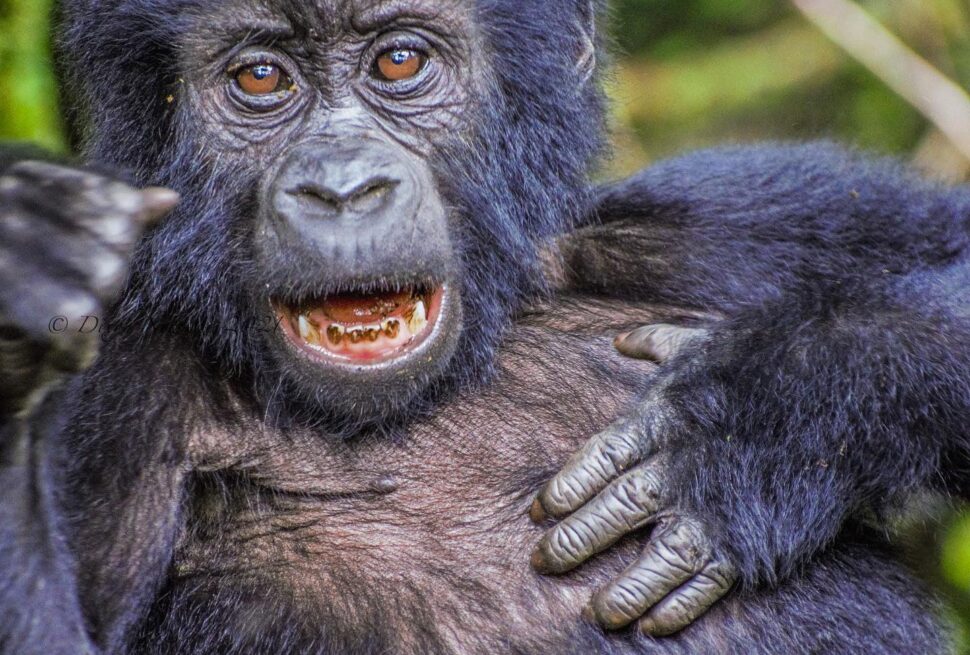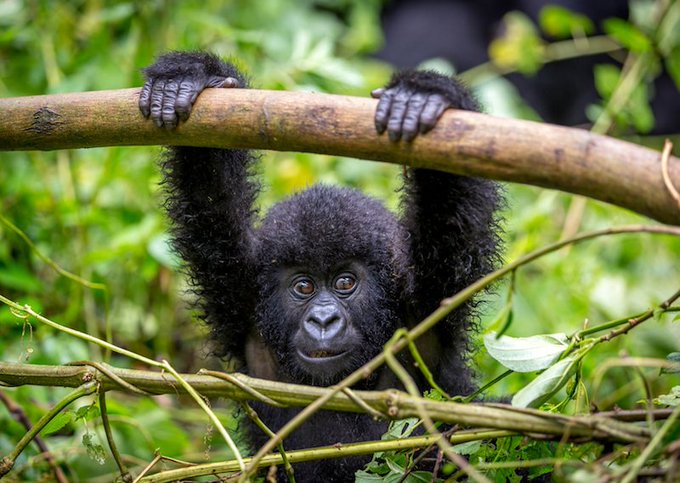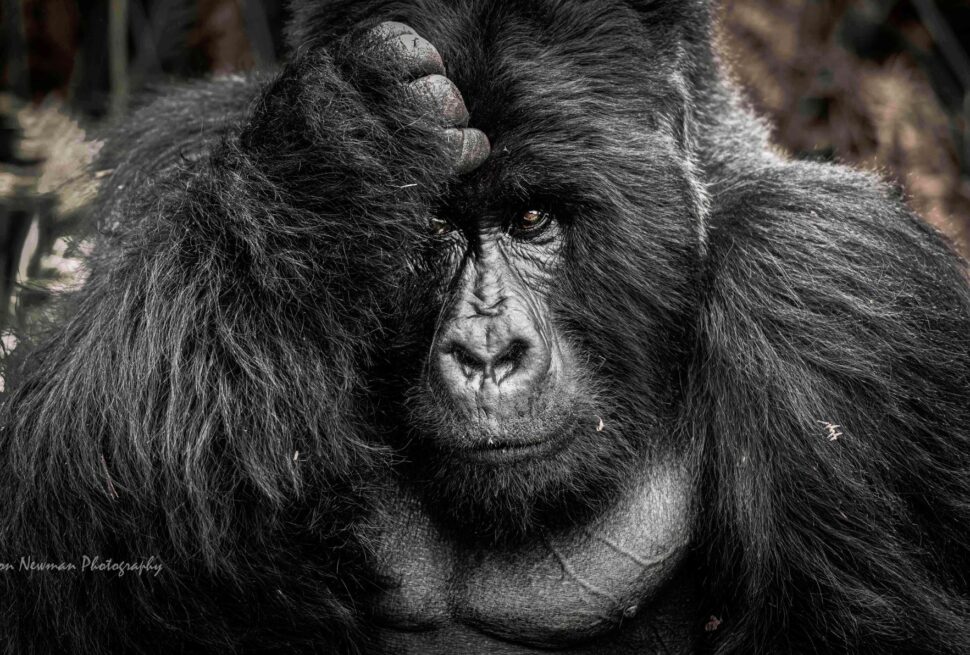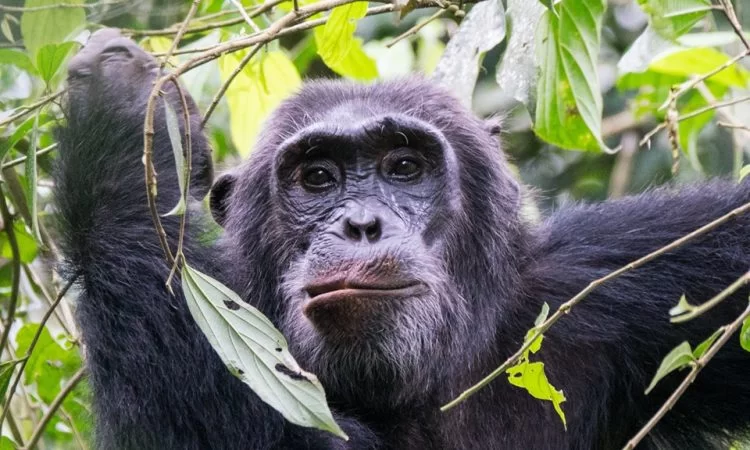
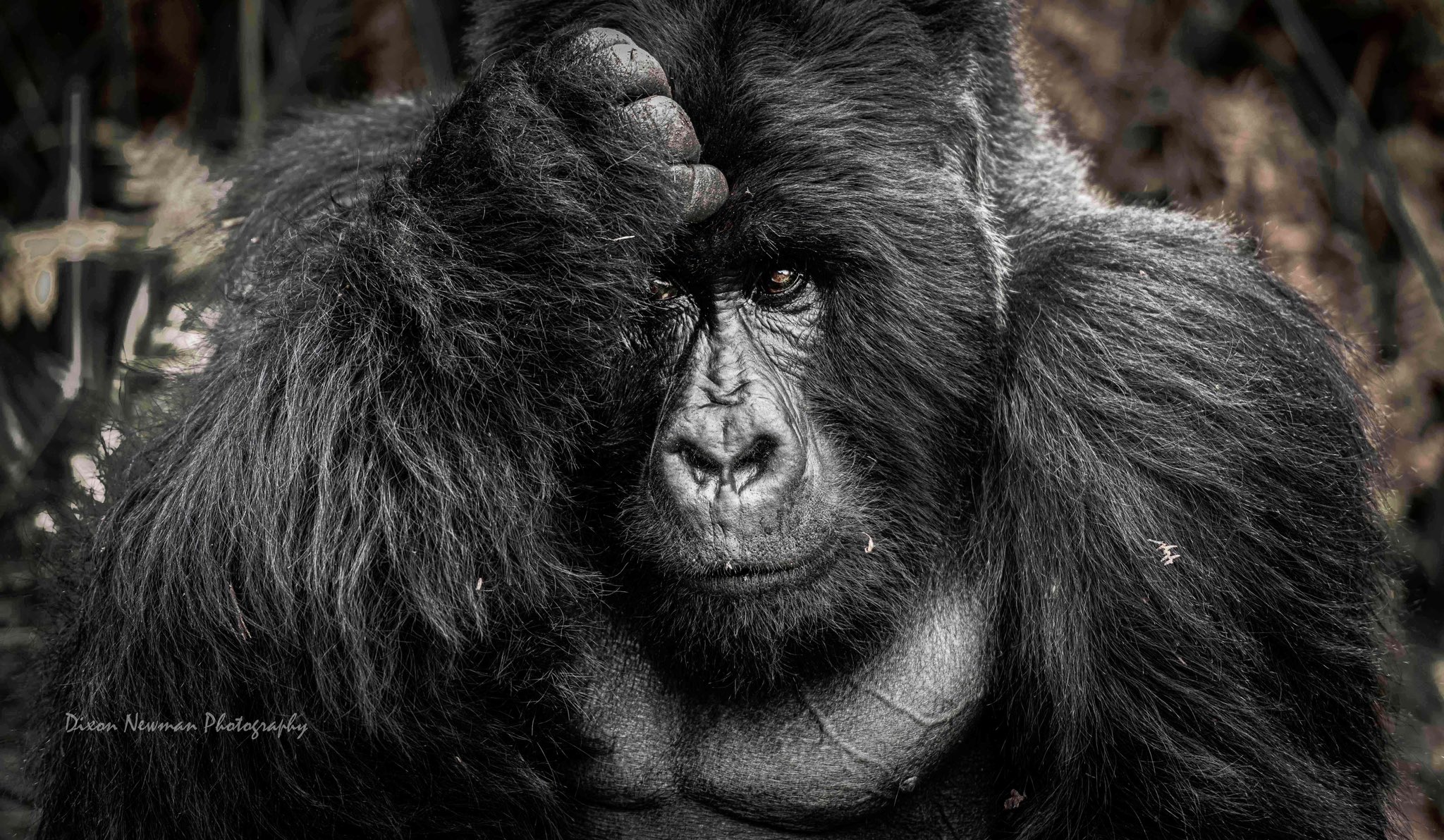
Mountain gorillas are among the most remarkable and endangered primates on Earth. Known for their gentle nature, intelligence, and strong family bonds, these great apes offer one of the most unforgettable wildlife experiences in Africa. Found in the misty forests of East and Central Africa, mountain gorillas are a highlight of safaris in Uganda, particularly in Bwindi Impenetrable National Park and Mgahinga Gorilla National Park.
In this detailed guide, we explore fascinating facts about mountain gorillas, their classification, habitats, unique adaptations, and why they are so important to conservation.
1. Overview of Mountain Gorillas
Mountain gorillas are a subspecies of the eastern gorilla, scientifically known as Gorilla beringei beringei.
They are characterized by:
- Thick black fur
- Large muscular bodies
- Gentle and social behavior
Unlike lowland gorillas, mountain gorillas live at high altitudes, often in cold and misty environments.
2. Types of Gorillas
There are two main species of gorillas, each with subspecies.
2.1 Eastern Gorillas
The eastern gorilla species includes:
- Mountain Gorilla
- Eastern lowland gorilla
Mountain gorillas are the most famous due to tourism and conservation efforts.
2.2 Western Gorillas
Western gorillas include:
- Western lowland gorilla
- Cross River gorilla
These are found in Central and West Africa.
3. Where Mountain Gorillas Live
Mountain gorillas are found in only three countries:
- Uganda
- Rwanda
- Democratic Republic of Congo
In Uganda, they are found in:
- Bwindi Impenetrable National Park
- Mgahinga Gorilla National Park
4. Habitat of Mountain Gorillas
Mountain gorillas live in high-altitude tropical forests.
Habitat Characteristics:
- Dense vegetation
- Cool temperatures
- High rainfall
These forests provide:
- Food sources
- Shelter
- Protection
5. Physical Adaptations
Mountain gorillas have evolved several adaptations to survive in their environment.
5.1 Thick Fur
Their long, dense fur helps them:
- Stay warm in cold climates
- Survive at high altitudes
5.2 Strong Limbs
Gorillas have powerful arms and legs that allow them to:
- Climb
- Move through dense vegetation
5.3 Large Body Size
Their size helps:
- Retain body heat
- Provide strength for movement and protection
6. Behavioral Adaptations
6.1 Social Structure
Mountain gorillas live in groups called troops or families.
- Led by a dominant silverback
- Strong bonds among members
6.2 Communication
They communicate through:
- Vocal sounds
- Facial expressions
- Body gestures
6.3 Nest Building
Each night, gorillas build nests from vegetation for sleeping.
7. Diet and Feeding Habits
Mountain gorillas are herbivores.
Their Diet Includes:
- Leaves
- Stems
- Fruits
- Bamboo shoots
They spend a large part of the day feeding.
8. Reproduction and Lifespan
Reproduction:
- Gestation period: 8.5 months
- Usually one infant
Lifespan:
- 35-40 years in the wild
9. Fascinating Facts About Mountain Gorillas
Here are some interesting facts:
- Share about 98% of their DNA with humans
- Each gorilla has a unique nose print
- Silverbacks can weigh over 180 kg
- They are generally peaceful unless threatened
10. Role in the Ecosystem
Mountain gorillas contribute to their environment by:
- Dispersing seeds
- Maintaining forest health
- Supporting biodiversity
11. Threats to Mountain Gorillas
Mountain gorillas face several threats:
- Habitat loss
- Poaching
- Disease transmission from humans
12. Conservation Efforts
Organizations like the Uganda Wildlife Authority play a major role in protecting gorillas.
Conservation Strategies:
- Gorilla trekking permits
- Anti-poaching patrols
- Community involvement
These efforts have helped increase gorilla populations.
13. Gorilla Trekking Experience
Gorilla trekking in Bwindi Impenetrable National Park is one of the most unique wildlife experiences in the world.
What to Expect:
- Guided hikes through forests
- Close encounter with gorilla families
- One hour of observation
14. Best Time to See Mountain Gorillas
The best time for trekking is during the dry seasons:
- June to September
- December to February
15. Why Mountain Gorillas Are So Special
Mountain gorillas are special because of:
- Their rarity
- Human-like behavior
- Conservation success story
They are a symbol of wildlife protection in Africa.
Conclusion
Mountain gorillas are among the most extraordinary animals on Earth. From their classification as Gorilla beringei beringei to their unique adaptations and social behavior, they continue to fascinate scientists and travelers alike.
In Uganda, destinations like Bwindi Impenetrable National Park and Mgahinga Gorilla National Park provide rare opportunities to see these incredible primates in their natural habitat.
Understanding their habitats, adaptations, and conservation challenges highlights the importance of protecting them for future generations.