The story of the Batwa is not just about culture—it is about identity, survival, and transformation. While many travelers encounter them as part of a cultural tour near Bwindi Impenetrable National Park, the Batwa experience runs far deeper than performances or demonstrations.
To truly understand why they are one of Uganda’s most compelling cultural attractions, you need to understand how they lived, what they lost, and how they are adapting today.
1. Life Before Displacement: A Complete Forest Civilization
Before the creation of national parks in the 1990s, the Batwa were not just forest dwellers—they were fully adapted forest specialists.
How They Lived:
- They did not farm or keep livestock
- They moved seasonally within the forest
- They lived in harmony with wildlife, including gorillas
The forest in Bwindi Impenetrable National Park was essentially their “supermarket,” “pharmacy,” and “spiritual home” combined.
Advanced Forest Knowledge:
The Batwa could:
- Identify edible vs poisonous plants instantly
- Track animals without leaving visible traces
- Predict weather patterns using natural signs
This wasn’t primitive living—it was highly specialized ecological intelligence.
2. Hunting Techniques and Survival Skills
The Batwa were skilled hunters despite using simple tools.
Hunting Methods:
- Small bows with poisoned arrows
- Traps made from vines and wood
- Group hunting strategies
They primarily hunted:
- Small antelopes
- Birds
- Monkeys
Importantly, they practiced sustainable hunting, ensuring wildlife populations were not depleted.
3. The Role of Women in Batwa Society
Batwa women played a central role in daily life.
Responsibilities:
- Gathering fruits, roots, and medicinal plants
- Building shelters
- Caring for children
Women also had deep knowledge of:
- Herbal medicine
- Food preservation
- Forest navigation
Their contribution was essential for survival.
4. Spiritual Connection to the Forest
The Batwa did not separate nature from spirituality.
Beliefs:
- The forest was alive with spirits
- Certain trees and caves were sacred
- Rituals were performed for protection and healing
Sacred Spaces:
Caves in Mgahinga and Bwindi were used for:
- Ritual ceremonies
- Shelter
- Spiritual gatherings
This deep connection meant that losing the forest was not just physical—it was spiritual displacement.
5. Displacement: A Turning Point in Batwa History
When Bwindi Impenetrable National Park and Mgahinga Gorilla National Park were gazetted for conservation, the Batwa were evicted.
What Changed:
- Loss of hunting and gathering lifestyle
- No land ownership
- Forced integration into farming communities
The Reality:
Unlike other communities, the Batwa:
- Had no farming experience
- Had no formal education
- Had no alternative livelihood
This led to extreme marginalization.
6. Life Today: Between Tradition and Change
Today, the Batwa live in small settlements near forest areas.
Current Livelihoods:
- Casual labor
- Craft-making (baskets, beads)
- Cultural tourism
However, poverty remains a major issue.
Cultural Transition:
Some traditions are being preserved, but others are fading due to:
- Modern influence
- Lack of land
- Limited resources
7. The Batwa Cultural Experience: What You Really See
When you visit a Batwa community, you’re not just watching a performance—you’re witnessing a reconstruction of a lost way of life.
Activities Explained:
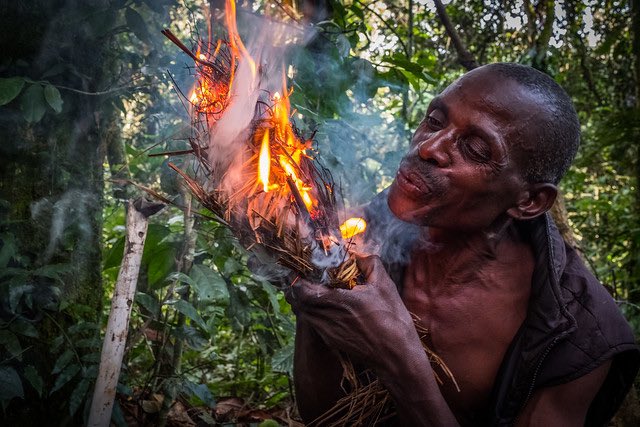
- Fire-making demonstration: Shows how they survived without modern tools
- Hunting demonstration: Reflects real past practices
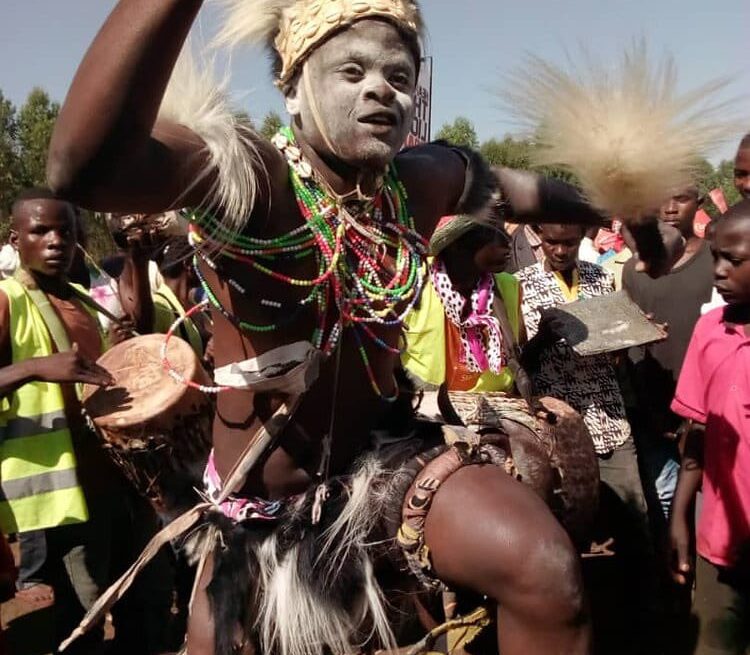
- Dance and music: Originally used for storytelling and rituals
These are not staged for entertainment—they are acts of cultural preservation.
8. Why the Batwa Experience Is So Powerful for Tourists
Many travelers say visiting the Batwa is more emotional than wildlife safaris.
Why?
- It’s a human story, not just nature
- You see resilience despite hardship
- It challenges your perspective on development and conservation
Unlike typical tourism, this is deep, reflective travel.
9. Ethical Tourism: What You Should Understand
Visiting the Batwa comes with responsibility.
Important Considerations:
- You are visiting a vulnerable community
- Tourism should benefit them directly
- Avoid treating the experience as entertainment
Best Practices:
- Choose tours that support Batwa projects
- Buy crafts directly from them
- Engage respectfully
10. Cultural Identity and Pride
Despite challenges, the Batwa are working to preserve their identity.
Efforts Include:
- Teaching children traditional knowledge
- Cultural storytelling
- Reviving songs and dances
There is a growing sense of cultural pride and resilience.
11. Batwa and Gorilla Tourism
Interestingly, the Batwa once coexisted with gorillas.
Today:
- Gorillas are protected and generate revenue
- The Batwa, original forest inhabitants, benefit less directly
This creates a complex dynamic between:
- Conservation success
- Indigenous rights
12. Why the Batwa Story Matters Globally
The Batwa are not alone—many indigenous groups worldwide face similar issues.
Their story highlights:
- The cost of conservation
- The importance of inclusive tourism
- The need to protect cultural heritage
13. How Tourism Can Make a Difference
Tourism can be a powerful tool for change.
Positive Impacts:
- Income generation
- Cultural preservation
- Increased awareness
When done responsibly, tourism helps ensure the Batwa are not forgotten.
14. What Makes the Batwa Truly Unique
The Batwa are unique because:
- They lived entirely without agriculture
- They had one of the deepest forest connections in Africa
- Their knowledge of nature is unmatched
They represent a way of life that is rare and rapidly disappearing.
15. A Deeper Travel Experience in Uganda
Including a Batwa visit in your safari transforms your trip.
Instead of just seeing wildlife in Bwindi Impenetrable National Park, you:
- Understand the human history of the forest
- Connect with real people
- Gain a broader perspective
Final Thoughts
The Batwa are more than a cultural attraction—they are a living story of resilience, adaptation, and identity.
Their journey from forest guardians to marginalized communities is complex, but their culture remains rich and deeply meaningful.
For travelers, visiting the Batwa is not just an activity—it is an experience that stays with you long after your safari ends.