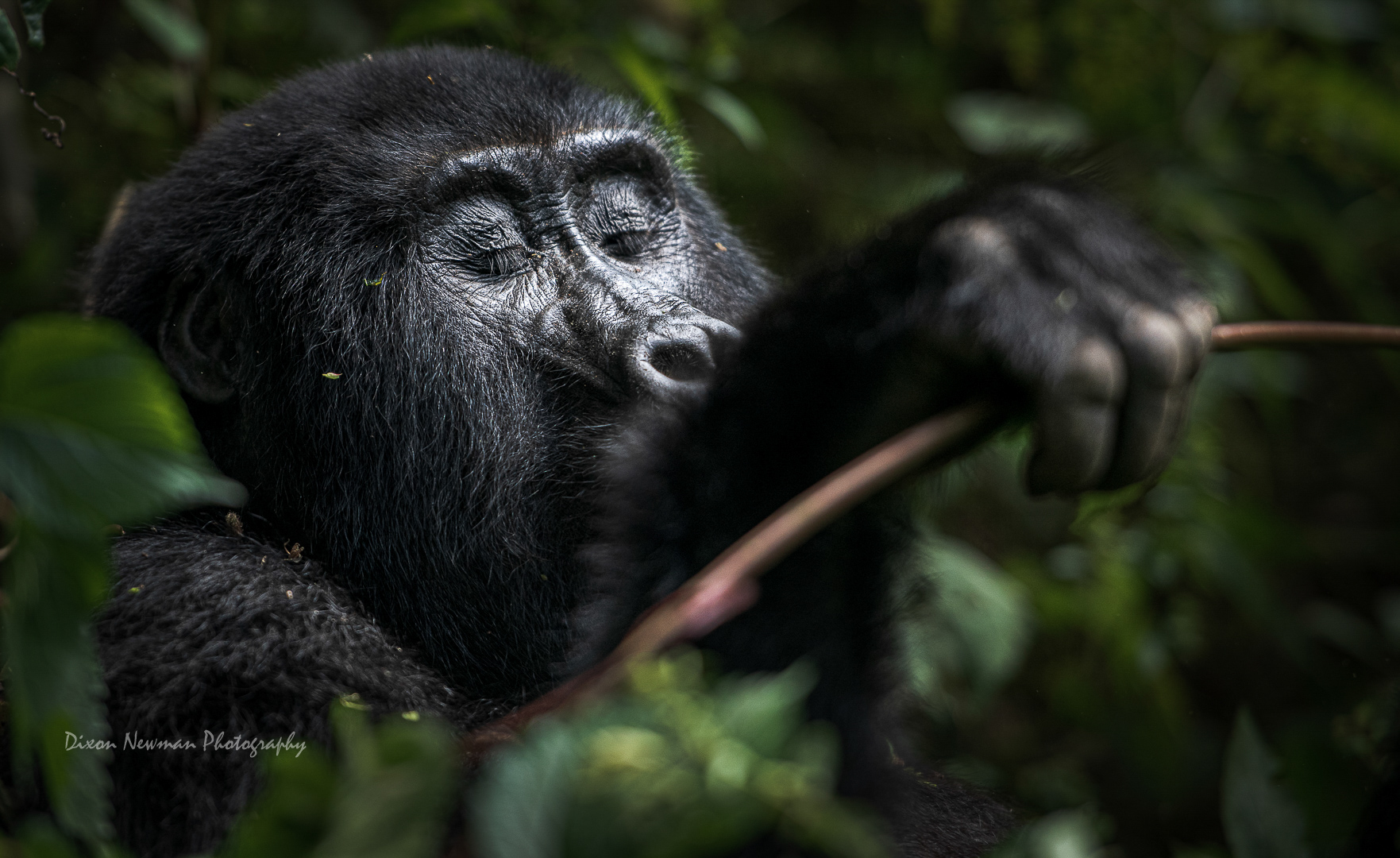
Uganda is one of the world’s most remarkable destinations for seeing mountain gorillas in their natural habitat. For travelers planning Uganda safari tours, a gorilla trekking experience in Bwindi Impenetrable National Park or Mgahinga Gorilla National Park offers an extraordinary opportunity to spend time in the forest near one of the world’s most fascinating and endangered primates.
Mountain gorillas are known for their intelligence, complex family relationships, powerful appearance, gentle behavior, and remarkable similarities to humans. Uganda is particularly important for their conservation because a significant proportion of the world’s remaining mountain gorillas live in the Virunga-Bwindi ecosystem.
A gorilla trekking Uganda safari is therefore much more than simply seeing wildlife. It is an educational and emotional experience that introduces visitors to the lives of gorilla families while contributing to conservation and local community tourism.
In this detailed guide, we explore fascinating facts about mountain gorillas, where to see them, what makes them special, and why adding gorilla trekking to your Uganda safari packages should be high on your travel list.
What Are Mountain Gorillas?
Understanding Mountain Gorillas on Uganda Safari Tours
Mountain gorillas are a subspecies of eastern gorillas scientifically known as Gorilla beringei beringei.
They are found only in a small region of East-Central Africa, specifically within the forests of:
- Uganda
- Rwanda
- Democratic Republic of Congo
Unlike many other great apes, mountain gorillas live in high-altitude forests and have adapted to cool, mountainous environments.
For travelers booking Uganda safari tours, the opportunity to observe these incredible animals in the wild is one of the country’s most sought-after experiences.
Where Can I See Mountain Gorillas in Uganda?
Bwindi and Mgahinga Gorilla National Parks
Uganda offers two destinations for mountain gorilla trekking.
Bwindi Impenetrable National Park
Bwindi is Uganda’s most famous gorilla trekking destination and is located in southwestern Uganda.
The forest is ancient, biologically diverse, and home to numerous habituated gorilla families.
Visitors can trek in different sectors of Bwindi, including:
- Buhoma
- Ruhija
- Rushaga
- Nkuringo
Each sector has its own trekking opportunities and accommodation options.
Mgahinga Gorilla National Park
Mgahinga is part of the larger Virunga conservation landscape and offers another opportunity to experience mountain gorillas in Uganda.
The park is also famous for its dramatic volcanic mountains and beautiful scenery.
Mountain Gorillas Are Endangered
Why Gorilla Conservation Matters
One of the most important facts about mountain gorillas is that they remain an endangered species.
Their survival has been threatened historically by:
- Habitat loss
- Human population pressure
- Disease
- Illegal activities
- Limited forest habitat
Conservation efforts have helped mountain gorilla numbers recover significantly over recent decades, but the species remains vulnerable.
When visitors participate in gorilla trekking Uganda, a portion of tourism revenue contributes to conservation and helps support communities around protected areas.
Mountain Gorillas Live in Family Groups
Discover Their Complex Social Structure
Mountain gorillas are highly social animals.
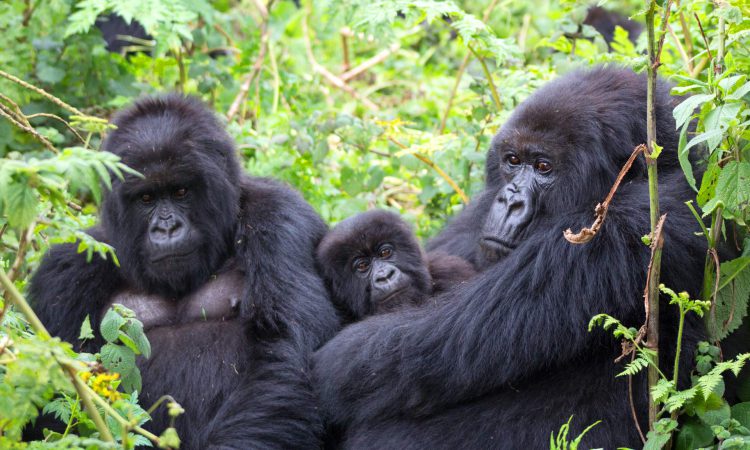
They normally live in groups led by a dominant adult male known as a silverback.
A gorilla family can include:
- Silverbacks
- Adult females
- Blackback males
- Juveniles
- Infants
The group works together, travels together, feeds together, and rests together.
Watching these social interactions is one of the most fascinating parts of Uganda gorilla safaris.
What Is a Silverback Gorilla?
The Powerful Leader of the Gorilla Family
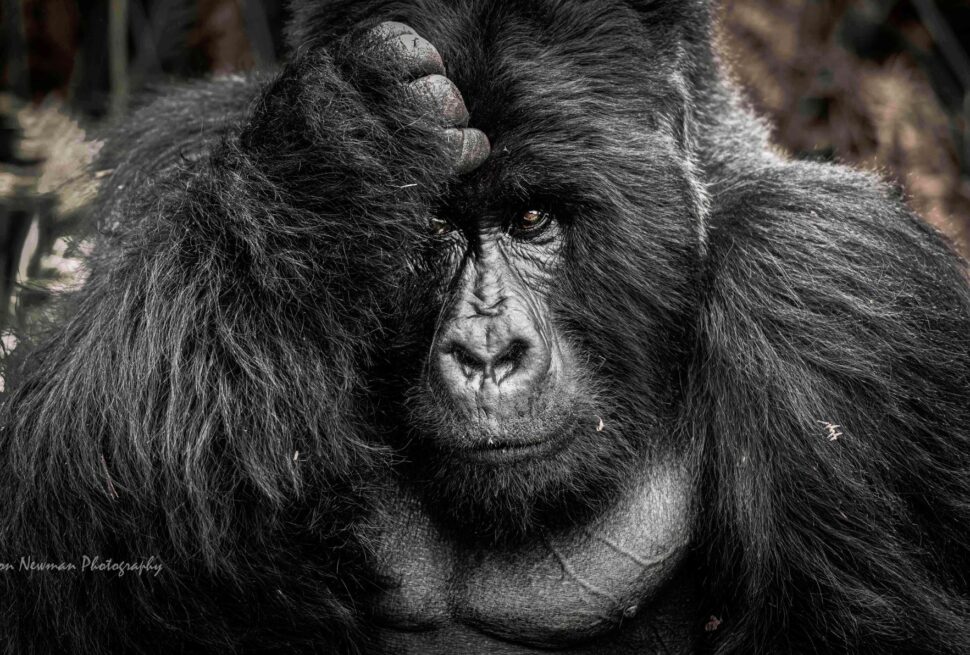
A silverback is a mature male gorilla whose back develops distinctive silver-gray hair as he reaches adulthood.
The silverback often performs important leadership roles, including:
- Protecting the group
- Leading movements
- Resolving conflicts
- Defending the family
- Choosing resting locations
- Protecting females and young gorillas
Despite their enormous strength, silverbacks can display calm and gentle behavior toward members of their group.
During gorilla trekking Uganda, visitors may see a silverback sitting quietly while the rest of the family feeds nearby.
Mountain Gorillas Are Mostly Vegetarian
What Do Gorillas Eat?
Mountain gorillas spend much of their day feeding.
Their diet consists mainly of vegetation, including:
- Leaves
- Shoots
- Stems
- Roots
- Flowers
- Fruits when available
- Bamboo
- Other forest plants
Because their diet contains a large amount of fibrous vegetation, gorillas spend considerable time moving through the forest in search of food.
This is one reason gorilla trekking can involve hiking through dense forest as trackers follow the family’s movements.
Mountain Gorillas Are Surprisingly Intelligent
Their Intelligence Makes Gorilla Trekking Fascinating
Mountain gorillas are intelligent animals capable of learning, remembering individuals, communicating through different sounds and gestures, and adapting to their environment.
Researchers have documented sophisticated social behavior among gorillas.
They can:
- Recognize individuals
- Develop strong social bonds
- Communicate through vocalizations
- Use body language
- Learn from other group members
- Display curiosity
- Demonstrate emotional responses
These behaviors make a Uganda gorilla safari an especially powerful wildlife experience.
Gorillas Communicate in Many Ways
Sounds, Body Language, and Facial Expressions
Gorillas do not communicate using human language, but they have a sophisticated communication system.
They use:
- Vocalizations
- Chest beating
- Facial expressions
- Body posture
- Touch
- Movement
- Low-frequency sounds
During gorilla trekking Uganda, you may hear gorillas making various sounds even before you see them.
Your ranger or guide can help explain what different behaviors may mean.
Chest Beating Does Not Always Mean Aggression
One of the Most Misunderstood Gorilla Behaviors
Many people associate gorillas with dramatic chest beating.
However, chest beating does not necessarily mean that a gorilla is preparing to attack.
Gorillas may beat their chests for different reasons, including:
- Communication
- Display
- Excitement
- Warning
- Social interaction
The sound can be surprisingly powerful when experienced from relatively close range in the forest.
This is one of the unforgettable moments visitors may experience during Uganda safari tours.
Mountain Gorillas Have Distinct Personalities
Every Gorilla Is Different
One of the most fascinating aspects of gorilla trekking is realizing that individual gorillas have different personalities.
Some may appear:
- Curious
- Playful
- Calm
- Shy
- Energetic
- Protective
Young gorillas are particularly entertaining because they may climb, wrestle, chase each other, or play around their family members.
Your guide can often help identify individual gorillas and explain their roles within the family.
Gorilla Infants Are Extremely Playful
Young Gorillas Make Gorilla Trekking Special
Gorilla infants spend much of their time close to their mothers.
As they grow older, they become increasingly active and independent.
Young gorillas may:
- Play with one another
- Climb vegetation
- Wrestle
- Follow adults
- Explore their surroundings
Watching young gorillas interact with their family is one of the most memorable experiences on a gorilla trekking Uganda safari.
Gorilla Mothers Are Highly Protective
Strong Family Bonds in the Forest
Female gorillas play an important role in raising young gorillas.
Infants remain close to their mothers, especially during their early development.
The strong relationship between mother and infant demonstrates the importance of family bonds within gorilla groups.
Visitors are often fascinated by how closely infants cling to their mothers as the family moves through the forest.
Mountain Gorillas Have Human-Like Characteristics
Why Are Gorillas So Interesting?
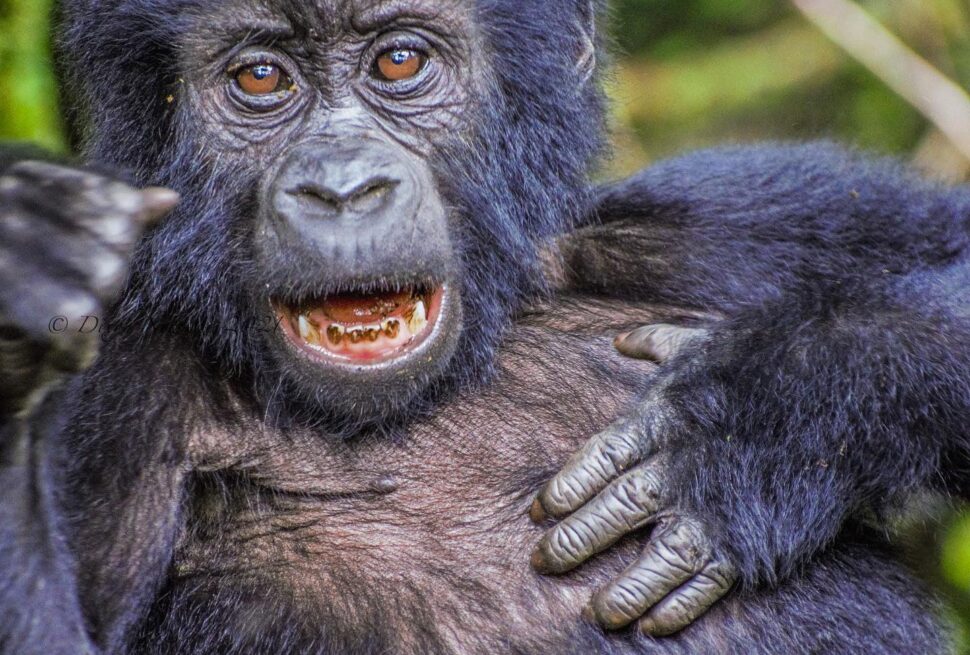
Mountain gorillas share many biological similarities with humans.
They are great apes, just like humans, chimpanzees, bonobos, and orangutans.
Their:
- Hands
- Fingers
- Facial expressions
- Social relationships
- Family structures
- Emotional behaviors
can appear surprisingly familiar.
This resemblance is one reason people often describe gorilla trekking Uganda as a deeply emotional wildlife encounter.
Gorillas Spend Much of Their Day Feeding and Resting
Understanding the Gorilla’s Daily Routine
A typical day for a mountain gorilla involves periods of:
- Feeding
- Moving
- Social interaction
- Resting
- Grooming
- Playing
Gorillas often build temporary nests for sleeping.
These nests may be constructed on the ground or in vegetation, depending on the individual and location.
During a Uganda gorilla safari, trackers may sometimes identify where a family spent the previous night based on nests and other signs.
Gorillas Build New Nests Every Night
An Interesting Gorilla Behavior
Mountain gorillas generally construct a new sleeping nest each night.
The nests may be made from:
- Leaves
- Branches
- Vegetation
Researchers and trackers can sometimes use these nests and other signs to help determine where a gorilla group traveled.
This tracking knowledge is essential to the success of gorilla trekking Uganda.
Mountain Gorillas Have Unique Nose Prints
An Interesting Way to Identify Individuals
Just as humans have unique fingerprints, gorillas have distinctive nose patterns.
Researchers and trackers can use facial features, nose patterns, body characteristics, and other identifying features to distinguish individual gorillas.
This is particularly useful when researchers monitor habituated gorilla families over long periods.
Gorilla Trekking Is Different from a Traditional Safari
A More Personal Wildlife Experience
A traditional Uganda wildlife safari usually involves searching for animals from a safari vehicle.
Gorilla trekking is different.
Visitors:
- Travel into the forest on foot.
- Follow experienced trackers.
- Search for signs of gorilla activity.
- Locate a habituated family.
- Observe the gorillas from a regulated distance.
- Spend limited time watching their behavior.
The experience is therefore more active and immersive than a conventional game drive.
How Long Does Gorilla Trekking Take?
Prepare for a Forest Hiking Adventure
The duration of a gorilla trek can vary significantly.
Some groups may be reached after a relatively short walk, while others may require several hours of hiking.
Factors affecting the trek include:
- Gorilla movements
- Terrain
- Weather
- Forest density
- Starting point
- Group location
Travelers booking Uganda safari packages should prepare for a genuine forest trekking experience rather than expecting a simple wildlife viewing excursion.
What Makes Uganda Gorilla Trekking Special?
An Authentic Wildlife Experience
Uganda is particularly attractive for gorilla tourism because visitors can combine gorilla trekking with many other experiences.
A single Uganda safari tour can include:
- Gorilla trekking
- Chimpanzee trekking
- Big Five wildlife viewing
- Boat cruises
- Birdwatching
- Cultural experiences
- Mountain hiking
- Community visits
This diversity makes Uganda an excellent destination for travelers seeking a complete African safari.
Gorilla Trekking Supports Local Communities
Tourism Helps Conservation
Gorilla tourism provides economic opportunities for communities surrounding protected forests.
Tourism supports jobs such as:
- Guides
- Rangers
- Porters
- Drivers
- Lodge staff
- Craft sellers
- Community tourism workers
Tourism revenue also supports conservation and protected-area management.
Therefore, booking responsible Uganda safari tours can contribute to the long-term protection of mountain gorillas and their habitat.
Why Hire a Porter for Gorilla Trekking?
Support the Local Community
Visitors trekking in Bwindi can choose to hire a local porter.
A porter can help with:
- Carrying your backpack
- Offering support on steep terrain
- Navigating difficult sections
- Providing encouragement
- Helping with walking poles or equipment
Hiring a porter provides direct income to someone from the local community and can make the trek more comfortable.
Gorilla Trekking Rules Protect the Gorillas
Responsible Gorilla Tourism in Uganda
Visitors must follow regulations designed to protect both gorillas and people.
Important guidelines include:
- Maintain the required distance from gorillas.
- Follow ranger instructions.
- Do not feed the gorillas.
- Do not touch them.
- Avoid using flash photography.
- Keep voices low.
- Do not litter.
- Avoid visiting gorillas when sick.
These rules help reduce stress and minimize the risk of disease transmission.
What Is Gorilla Habituation?
Spend More Time Learning About Gorillas
Uganda also offers a special experience known as gorilla habituation.
Unlike standard trekking, gorilla habituation involves spending substantially more time observing a gorilla group that is undergoing the habituation process.
It is particularly appealing to travelers interested in:
- Gorilla behavior
- Photography
- Research
- Conservation
- Primate ecology
A gorilla habituation experience in Uganda can be included in specialized Uganda safari packages.
Best Time for Gorilla Trekking in Uganda
When Should You Visit?
Gorilla trekking is possible throughout the year.
Many travelers prefer the drier periods, particularly:
- June to September
- December to February
These periods can provide more favorable hiking conditions.
However, the wetter months can also be rewarding because the forest becomes especially lush and some travelers prefer visiting when there are fewer tourists.
Your choice should depend on your preferred travel conditions, budget, and overall Uganda safari itinerary.
What Should You Pack for Gorilla Trekking?
Essential Items for a Uganda Gorilla Safari
Travelers should prepare carefully for forest trekking.
Recommended items include:
- Waterproof hiking boots
- Long trousers
- Long-sleeved shirt
- Lightweight rain jacket
- Gardening gloves
- Insect repellent
- Hat
- Sunscreen
- Water bottle
- Small backpack
- Camera
- Binoculars
- Walking poles
The forest can be wet and muddy, so appropriate clothing and footwear are particularly important.
Combine Gorilla Trekking with Other Uganda Safari Tours
Explore More of the Pearl of Africa
A gorilla safari becomes even more rewarding when combined with other destinations.
Queen Elizabeth National Park
Enjoy:
- Game drives
- Tree-climbing lions
- Elephants
- Buffaloes
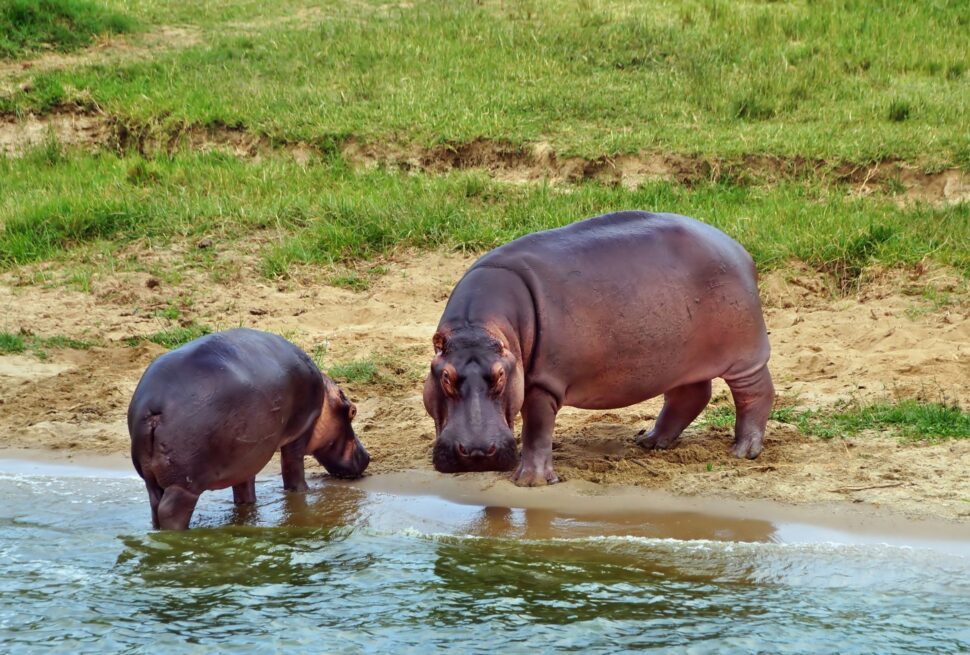
- Kazinga Channel boat cruises
Kibale National Park
Experience:
- Chimpanzee trekking
- Bigodi community walks
- Forest birdwatching
Murchison Falls National Park
Discover:
- Lions
- Elephants
- Giraffes
- Buffaloes
- Nile River cruises
- Murchison Falls
Lake Mburo National Park
Enjoy:
- Zebra
- Impala
- Eland
- Walking safaris
- Boat trips
Combining these destinations creates a diverse Uganda wildlife safari alongside your gorilla experience.
Why Choose Memorable Gorilla Safari Uganda?
At Memorable Gorilla Safari Uganda, we specialize in creating customized Uganda safari tours that combine gorilla trekking, wildlife, primates, culture, and adventure.
Our Uganda safari packages can include:
- Gorilla trekking Uganda
- Gorilla habituation
- Bwindi safaris
- Mgahinga gorilla trekking
- Chimpanzee trekking
- Queen Elizabeth National Park
- Murchison Falls National Park
- Kibale Forest National Park
- Lake Mburo National Park
- Kidepo Valley National Park
- Boat cruises
- Birdwatching
- Cultural experiences
- Community visits
- Jinja and Source of the Nile
- Cross-border safaris
We can customize your itinerary according to your travel dates, interests, accommodation preferences, and budget.
Frequently Asked Questions About Mountain Gorillas in Uganda
How many mountain gorillas are left in the world?
Mountain gorillas remain a highly endangered subspecies, but their population has increased significantly through sustained conservation efforts. They survive only in the Virunga-Bwindi mountain forest region shared by Uganda, Rwanda, and the Democratic Republic of Congo.
Where is the best place to see mountain gorillas in Uganda?
Bwindi Impenetrable National Park is Uganda’s primary gorilla trekking destination, while Mgahinga Gorilla National Park also offers gorilla trekking opportunities.
Are mountain gorillas dangerous?
Mountain gorillas are powerful wild animals, but habituated groups visited by tourists are carefully monitored. Visitors must follow ranger instructions and maintain the required distance.
Can children go gorilla trekking in Uganda?
Gorilla trekking has an age requirement, and children below the minimum permitted age are generally not allowed to participate. Families can consider other Uganda safari activities suitable for younger travelers.
How close can I get to mountain gorillas?
Visitors must follow the current Uganda Wildlife Authority regulations regarding the minimum viewing distance. Your ranger will guide you on where to stand and how to behave.
Is gorilla trekking worth adding to Uganda safari tours?
Yes. Gorilla trekking provides a rare opportunity to observe endangered mountain gorillas in their natural forest habitat and can be combined with Uganda’s wildlife parks, chimpanzee trekking, cultural experiences, and other attractions.
Final Thoughts: Why Mountain Gorillas Make Uganda Safari Tours Special
Mountain gorillas are among the most fascinating animals on Earth. Their complex family structures, intelligence, communication, distinctive personalities, powerful silverbacks, playful infants, and close similarities to humans make observing them in the wild an unforgettable experience.
For travelers planning Uganda safari tours, gorilla trekking Uganda offers an opportunity to experience wildlife in a completely different way. Instead of viewing animals from a safari vehicle, you walk through an ancient forest guided by experienced trackers and eventually encounter a gorilla family living naturally in its habitat.
The experience also has a wider purpose. Responsible gorilla tourism contributes to conservation, creates employment, supports communities, and helps protect one of the world’s most endangered great apes.
Whether you combine Bwindi with Queen Elizabeth National Park, Kibale Forest National Park, Murchison Falls National Park, Lake Mburo, or other destinations, a Uganda gorilla safari can become one of the highlights of your African adventure.
Uganda offers far more than gorillas. It offers forests, savannahs, rivers, mountains, chimpanzees, lions, elephants, birds, cultures, and welcoming communities. By choosing a responsible Uganda safari package, travelers can experience the remarkable diversity of the Pearl of Africa while contributing to the protection of its extraordinary natural heritage