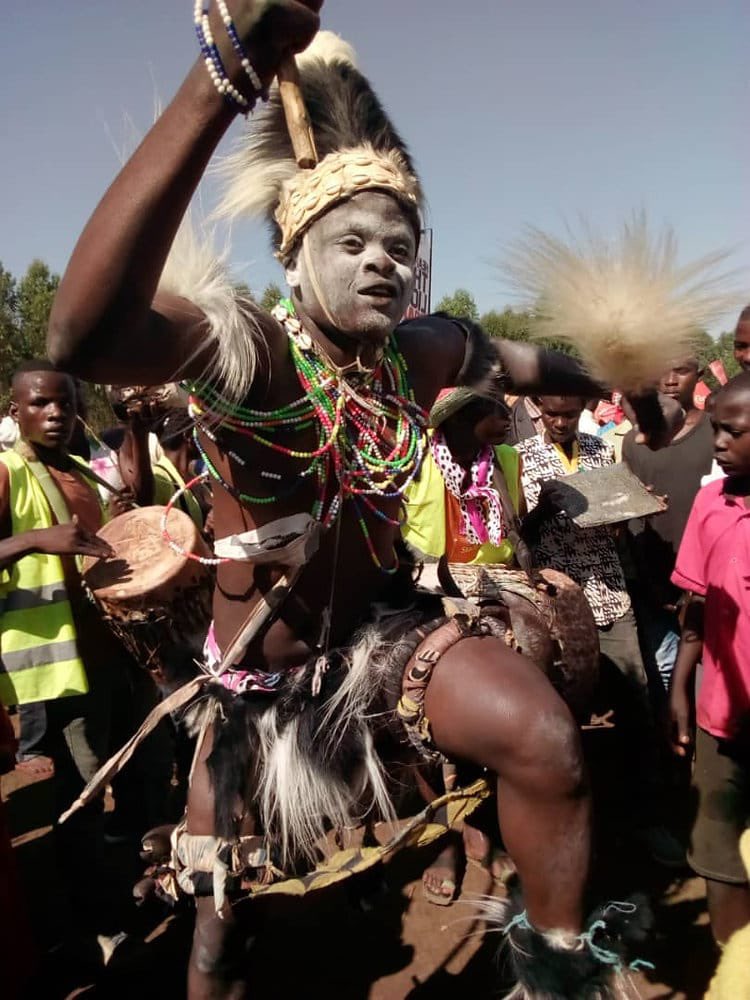
Uganda is one of Africa’s most culturally diverse and welcoming countries, offering travelers an extraordinary combination of wildlife, landscapes, traditions, and community experiences. From gorilla trekking Uganda and chimpanzee tracking to Big Five game drives, village visits, and cultural tours, visitors have many opportunities to connect with local people during Uganda safari tours.
However, understanding and respecting local customs is an important part of responsible travel. Uganda is home to many different ethnic communities, each with its own languages, traditions, beliefs, ceremonies, and social practices. What may seem normal in one country can sometimes be considered disrespectful in another.
Whether you are visiting Kampala, exploring a rural community, trekking mountain gorillas in Bwindi, meeting the Batwa people, or enjoying a Uganda wildlife safari, following basic cultural etiquette will help you build positive relationships with local communities and make your journey more meaningful.
This guide explains the most important cultural rules tourists should respect when visiting Uganda and provides practical advice for travelers planning Uganda safari packages.
Respect Ugandan People and Their Traditions
Cultural Respect Is Important on Every Uganda Safari
The first and most important rule is to treat Ugandan people and their traditions with respect.
Uganda has more than 50 recognized ethnic groups, including the Baganda, Banyankole, Bakiga, Basoga, Acholi, Iteso, Karamojong, Batwa, and many others.
Each community has its own:
- Languages
- Traditional foods
- Music and dance
- Clothing
- Marriage customs
- Religious practices
- Social traditions
- Traditional leadership systems
During Uganda cultural tours, listen carefully when local guides explain customs and avoid making negative comparisons between Ugandan traditions and those in your home country.
Always Ask Before Taking Photographs
Photography Etiquette on Uganda Safari Tours
Uganda offers incredible photography opportunities, from wildlife and landscapes to cultural experiences. However, you should always ask permission before photographing people.
This is especially important when visiting:
- Villages
- Markets
- Schools
- Religious sites
- Traditional ceremonies
- Community projects
A simple smile and gesture toward your camera followed by asking permission is usually appropriate.
Do not assume that because someone is in a public place, they automatically want their photograph taken.
Respect Religious Places and Ceremonies
Follow Local Rules at Religious Sites
Uganda has a diverse religious population, including Christians, Muslims, and followers of traditional beliefs.
When visiting:
- Churches
- Mosques
- Shrines
- Traditional sacred sites
- Religious ceremonies
dress appropriately and follow the instructions of your guide or local hosts.
Remove hats when required, keep your voice low, and avoid taking photographs where photography is prohibited.
Respecting religious traditions is an essential part of responsible Uganda safari tours.
Dress Modestly in Rural Communities
Appropriate Clothing for Uganda Cultural Tours
Uganda is generally relaxed, but modest clothing is appreciated, especially in rural communities and religious areas.
For cultural visits, consider wearing:
- Knee-length or longer trousers or skirts
- T-shirts or shirts that cover the shoulders
- Comfortable clothing
- Appropriate footwear
Swimwear should generally be limited to swimming pools, beaches, and appropriate resort areas.
When visiting local communities during Uganda safari packages, dressing modestly demonstrates respect.
Learn Basic Ugandan Greetings
A Simple Greeting Goes a Long Way
Greetings are an important part of Ugandan social life.
Depending on the community and language, you may hear greetings such as:
- Oli otya? – How are you? (Luganda)
- Gyebale ko – Well done / greetings
- Webale – Thank you
- Mulembe – Peace / hello in some contexts
You do not need to become fluent in a local language. Learning even a few words can make interactions warmer and more respectful.
Your safari guide can teach you useful local expressions during your Uganda safari tour.
Show Respect to Elders
Elders Have an Important Role in Ugandan Society
Respect for older people is an important cultural value in many Ugandan communities.
When interacting with elders:
- Greet them respectfully.
- Listen when they speak.
- Avoid interrupting.
- Follow appropriate local etiquette.
- Allow them to participate in conversations.
During village and community visits, your guide can explain specific customs.
Do Not Touch People Without Permission
Respect Personal Boundaries
Although Ugandans are generally friendly and welcoming, visitors should still respect personal space.
Avoid:
- Touching strangers without permission
- Hugging people you have just met unless they initiate it
- Touching someone’s head without permission
- Handling personal belongings
This is particularly important when interacting with children during cultural tours.
Ask Before Entering a Home
Follow Local Community Etiquette
If you are invited into someone’s home during a Uganda cultural safari, wait until you are invited inside.
Do not:
- Enter private spaces without permission.
- Open cupboards or belongings.
- Touch household items without asking.
- Walk into restricted areas.
Your guide or host will explain what is appropriate.
Respect Local Food Traditions
Experience Ugandan Cuisine with an Open Mind
Food is an important part of Ugandan hospitality.
Popular foods include:
- Matooke
- Posho
- Cassava
- Sweet potatoes
- Groundnut sauce
- Beans
- Fresh fish
- Beef
- Chicken
- Rolex
- Tropical fruits
If a host offers you food, accepting at least a small portion when appropriate can be a friendly gesture.
However, if you have allergies, dietary restrictions, or simply cannot eat something, politely explain your situation.
Trying local cuisine is one of the best parts of a Uganda safari tour.
Be Respectful When Visiting Traditional Communities
Cultural Experiences Should Benefit Local People
Uganda offers many cultural tourism experiences, including visits to:
- Batwa communities
- Buganda cultural sites
- Karamojong communities
- Basoga communities
- Batuku communities
- Bigodi communities
Always remember that these are people’s homes and communities, not simply tourist attractions.
Listen to local guides, respect privacy, and avoid behaving as though you are visiting a human exhibit.
Responsible cultural tourism helps ensure that tourism benefits local communities.
Respect Traditional Music and Dance
Participate Appropriately
Traditional music and dance are important parts of Ugandan culture.
During cultural performances, visitors may be encouraged to:
- Watch
- Clap
- Dance
- Participate in simple activities
Feel free to participate if invited, but follow the instructions of performers and guides.
Do not mock traditional dances, clothing, or ceremonies.
Cultural performances can be an unforgettable part of Uganda safari packages.
Respect Traditional Leaders and Royal Institutions
Understanding Cultural Authority
Some Ugandan communities have traditional kingdoms and cultural leaders.
For example, the Buganda Kingdom has the Kabaka as its cultural leader.
Other traditional institutions exist in different parts of Uganda.
When visiting royal or cultural sites:
- Follow site rules.
- Dress appropriately.
- Speak respectfully.
- Do not touch ceremonial objects.
- Ask before taking photographs.
A visit to the Buganda Kingdom can be a fascinating addition to a Kampala cultural tour.
Be Respectful During Gorilla Trekking
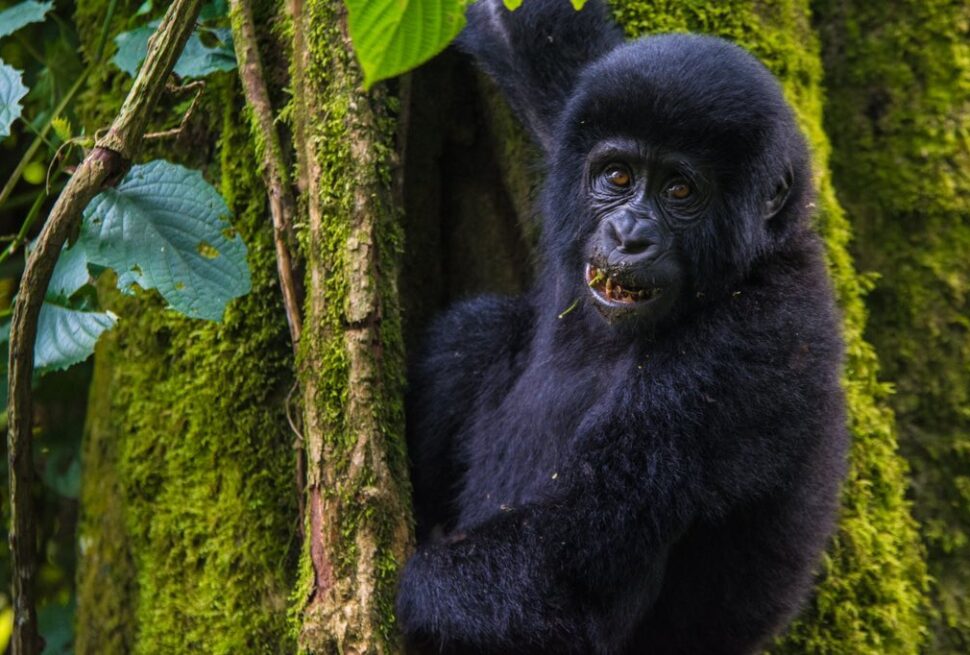
Follow the Rules of Gorilla Trekking Uganda
Cultural respect is important, but wildlife etiquette is equally essential.
During gorilla trekking Uganda, visitors must follow instructions from Uganda Wildlife Authority rangers and guides.
Important rules include:
- Maintain the required distance from gorillas.
- Do not feed the gorillas.
- Do not use flash photography.
- Keep your voice low.
- Do not touch the gorillas.
- Follow ranger instructions.
- Do not visit gorillas when you are sick.
These rules protect both travelers and the endangered mountain gorillas.
Respect Wildlife During Uganda Safari Tours
Responsible Wildlife Viewing
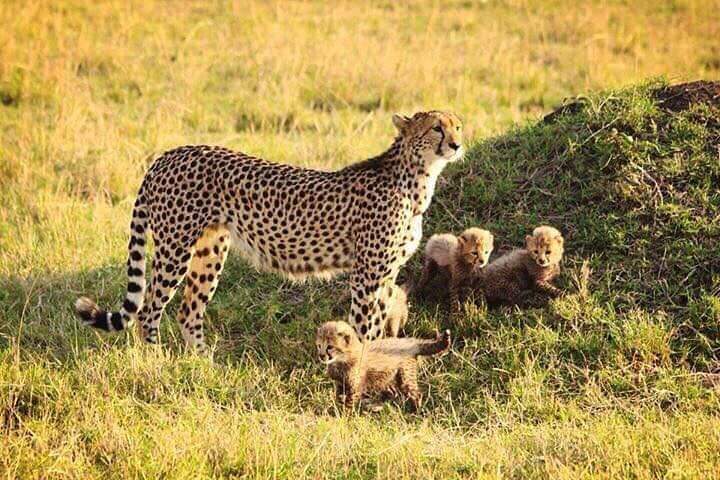
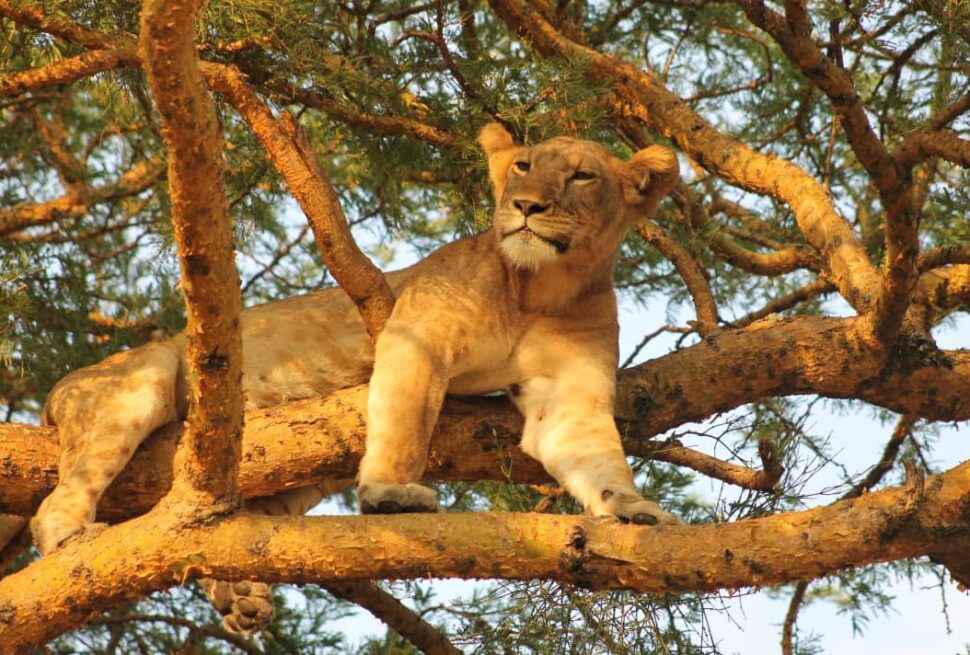
During game drives in national parks:
- Stay inside the safari vehicle unless your guide says it is safe to leave.
- Do not feed animals.
- Do not shout at wildlife.
- Do not chase animals for photographs.
- Do not litter.
- Follow park speed limits and regulations.
Responsible behavior helps protect Uganda’s wildlife and ensures future generations can enjoy the country’s national parks.
Do Not Give Money Directly to Children
Support Responsible Tourism
Visitors sometimes encounter children asking for money, sweets, pens, or other items.
Although giving directly may feel helpful, it can encourage dependence or repeated begging in tourist areas.
Instead, consider supporting:
- Community tourism projects
- Local schools through reputable organizations
- Community-based tourism initiatives
- Local artisans
- Responsible tour operators
Buying locally made crafts is another way to ensure tourism contributes to communities.
Bargain Respectfully in Local Markets
Understand Shopping Etiquette
Bargaining is common in some Ugandan markets and craft shops.
If bargaining is appropriate:
- Be friendly.
- Keep negotiations respectful.
- Do not insult the seller’s price.
- Pay agreed prices promptly.
- Remember that small amounts can be significant to local sellers.
Supporting local artisans is an excellent way to contribute to the communities visited during Uganda safari tours.
Avoid Political Arguments
Be a Respectful Visitor
Uganda has its own political history and current affairs.
Travelers should avoid aggressive political debates with local people, especially when they have limited understanding of local circumstances.
Instead, focus on learning respectfully about:
- History
- Culture
- Wildlife conservation
- Tourism
- Community development
If political topics arise, listen respectfully and avoid making assumptions.
Respect Uganda’s Environment
Leave No Trace During Your Uganda Safari
Environmental responsibility is an important part of sustainable tourism.
Visitors should:
- Avoid littering.
- Use reusable water bottles.
- Avoid damaging plants.
- Stay on designated trails.
- Avoid disturbing wildlife.
- Dispose of waste properly.
- Reduce unnecessary plastic use.
This is particularly important in fragile ecosystems such as Bwindi Impenetrable National Park, Kibale Forest, and Uganda’s savannah parks.
Ask Before Offering Gifts
Give Thoughtfully
If you want to give something to a local community, ask your guide about the best approach.
Avoid distributing gifts randomly to children or individuals.
Instead, consider:
- Buying local crafts.
- Supporting community tourism projects.
- Donating through established organizations.
- Paying fairly for cultural performances.
- Hiring local guides and porters.
This creates a more sustainable relationship between tourism and communities.
Respect Time and Local Hospitality
Be Patient During Your Uganda Safari
Travelers may sometimes notice that social interactions or services do not follow the exact schedule they are accustomed to at home.
Remain patient and flexible.
Ugandan hospitality often involves taking time to greet visitors, talk, and establish relationships.
Instead of becoming frustrated, consider these moments part of the cultural experience.
Respect Local Customs When Visiting Rural Areas
Your Guide Is Your Best Cultural Resource
Customs can vary significantly between communities.
For example, what is appropriate during a cultural visit in central Uganda may not be the same as in northern or northeastern Uganda.
Always ask your guide about:
- Dress expectations
- Photography
- Greetings
- Food customs
- Traditional ceremonies
- Appropriate behavior
A knowledgeable guide can help you avoid accidental cultural mistakes.
Why Cultural Respect Matters on Uganda Safari Tours
Travel That Benefits People and Places
Responsible tourism is about more than seeing beautiful places. It is about ensuring that tourism benefits the people, wildlife, and environments that make Uganda special.
When tourists respect local culture, they help:
- Strengthen community tourism.
- Preserve traditions.
- Support local businesses.
- Encourage cultural conservation.
- Create positive relationships.
- Improve the visitor experience.
This makes cultural respect an essential part of sustainable Uganda safari tours.
Combine Cultural Experiences with Uganda Safari Packages
Discover Uganda Beyond Wildlife
A well-designed Uganda safari package can combine wildlife, gorillas, primates, landscapes, and culture.
For example, travelers can visit:
Kampala and Buganda Kingdom
Explore:
- Kabaka’s Palace
- Kasubi Royal Tombs
- Local markets
- Cultural centers
Jinja
Experience:
- Source of the Nile
- Local communities
- Traditional culture
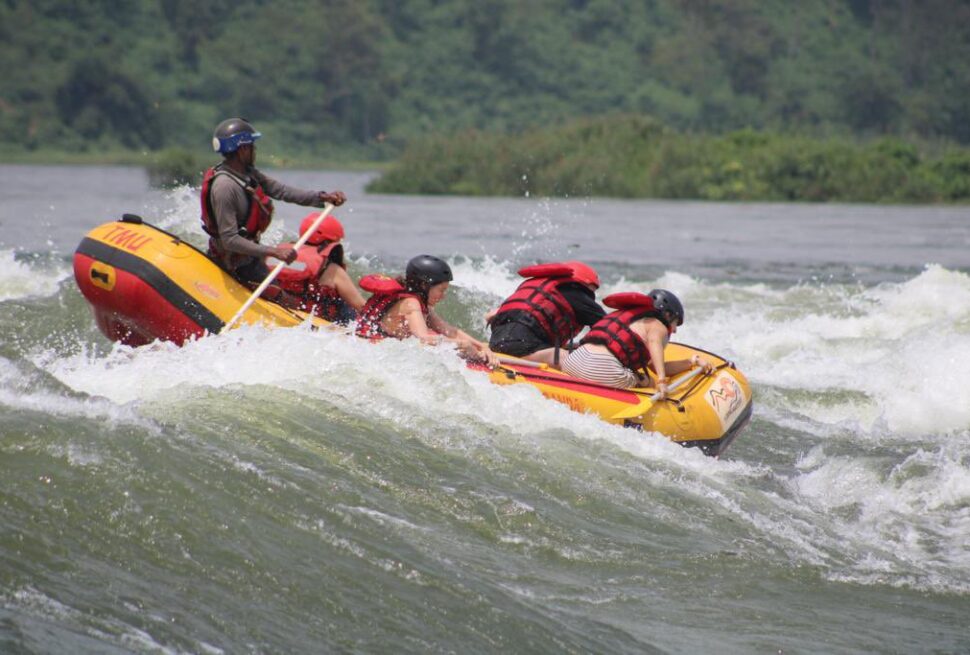
- Adventure activities
Kibale National Park
Combine chimpanzee trekking with a Bigodi community experience.
Bwindi Impenetrable National Park
Combine gorilla trekking Uganda with Batwa cultural experiences.
Kidepo Valley National Park
Meet members of the Karamojong community and learn about their traditional lifestyle.
This combination creates a complete Uganda cultural and wildlife safari.
Why Choose Memorable Gorilla Safari Uganda?
At Memorable Gorilla Safari Uganda, we believe the best Uganda safari tours combine unforgettable wildlife encounters with meaningful cultural experiences.
Our customized Uganda safari packages can include:
- Gorilla trekking
- Gorilla habituation
- Chimpanzee trekking
- Big Five game drives
- Cultural community visits
- Kampala city tours
- Buganda cultural experiences
- Batwa cultural experiences
- Karamojong community visits
- Nile River adventures
- Birdwatching
- Boat cruises
- Cross-border safaris to Rwanda and Kenya
Our professional guides help travelers understand local customs and interact respectfully with communities throughout their journey.
Frequently Asked Questions About Cultural Rules in Uganda
Is Uganda welcoming to tourists?
Yes. Uganda is widely known for its warm hospitality. Visitors who show respect for local customs are generally welcomed warmly by communities throughout the country.
What should tourists wear in Uganda?
Comfortable and modest clothing is recommended, particularly when visiting rural communities, religious sites, and cultural attractions.
Can I photograph Ugandan people?
Yes, but it is respectful to ask permission before photographing people, particularly during cultural ceremonies or community visits.
Can I participate in traditional dances?
Yes. If you are invited to participate, joining a traditional dance can be a wonderful cultural experience. Follow the instructions of local performers and guides.
Can I give gifts to Ugandan children?
It is better to avoid randomly distributing gifts to children. Supporting community projects, buying local crafts, or donating through reputable organizations is generally more sustainable.
Should I learn a local language?
You do not need to speak a local language, but learning simple greetings such as “Webale” (thank you) or “Oli otya?” (how are you?) can make interactions more enjoyable.
Final Thoughts on Cultural Respect During Uganda Safari Tours
Understanding and respecting cultural rules can make your visit to Uganda much more meaningful. Uganda is not only a destination for gorilla trekking Uganda, Big Five game drives, chimpanzee trekking, and beautiful landscapes; it is also a country of diverse communities, ancient traditions, kingdoms, languages, music, food, and hospitality.
Whether you are visiting the Buganda Kingdom, meeting the Batwa, experiencing Karamojong traditions, exploring local markets, or staying in a rural community, remember that you are visiting people’s homes and cultural spaces. Ask permission before taking photographs, dress appropriately, respect elders and traditional leaders, follow local customs, protect the environment, and support community-based tourism.
By traveling responsibly, you contribute to the preservation of Uganda’s cultural heritage while helping local communities benefit from tourism.
A carefully planned Uganda safari tour can therefore become much more than a wildlife holiday. It can be a journey of discovery where you experience Uganda’s gorillas, chimpanzees, elephants, lions, rivers, forests, cultures, and people.
For travelers looking for an authentic Uganda safari package, combining wildlife and cultural experiences is one of the best ways to discover why Uganda is known as the Pearl of Africa.