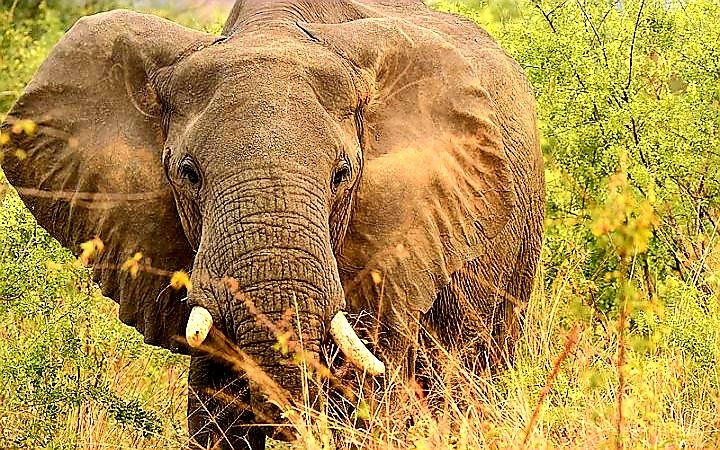
Uganda is one of Africa’s most remarkable wildlife destinations, home to a rich diversity of animals, including one of the continent’s most iconic species—the elephant. These gentle giants roam freely across Uganda’s savannahs, forests, and wetlands, playing a vital role in maintaining ecological balance.
From the vast plains of Murchison Falls National Park to the diverse ecosystems of Queen Elizabeth National Park, elephants are a highlight of any safari experience. In this comprehensive guide, we explore Uganda’s elephants, their types, habitats, unique adaptations, and their importance to the environment.
1. Overview of Elephants in Uganda
Elephants in Uganda are part of the African elephant population and are among the largest land mammals on Earth. They are known for:
- Massive bodies
- Long trunks
- Impressive tusks
- High intelligence and social behavior
Uganda’s protected areas provide a safe habitat for elephants, allowing their populations to recover and thrive.
2. Types of Elephants Found in Uganda
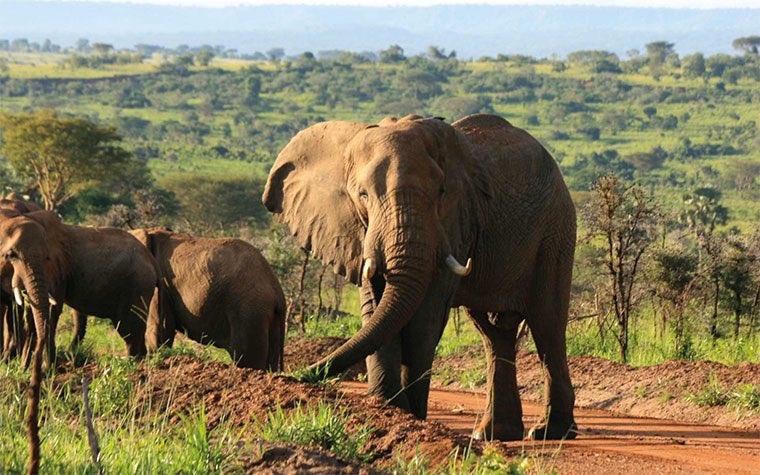
Uganda is primarily home to the African Bush Elephant, but in some forested regions, the African Forest Elephant may also be present.
2.1 African Bush Elephant
This is the most common elephant species in Uganda.
Characteristics:
- Largest elephant species in the world
- Large ears shaped like the African continent
- Both males and females have tusks
Where to See Them:
- Murchison Falls National Park
- Queen Elizabeth National Park
These elephants thrive in open savannah areas where food and water are abundant.
2.2 African Forest Elephant
Though less commonly seen, this species inhabits dense forests.
Characteristics:
- Smaller and more compact
- Straighter tusks
- Adapted to forest environments
Possible Locations:
- Forested regions near Bwindi Impenetrable National Park
3. Habitats of Elephants in Uganda
Elephants in Uganda live in a variety of ecosystems, thanks to the country’s diverse geography.
3.1 Savannah Grasslands
Savannahs provide:
- Abundant grass for feeding
- Open spaces for movement
These habitats are found in:
- Murchison Falls National Park
- Queen Elizabeth National Park
3.2 Forest Habitats
Dense forests offer:
- Shelter
- Diverse plant species
These are ideal for forest elephants.
3.3 Wetlands and Riverine Areas
Elephants depend heavily on water.
They are often found near:
- Rivers
- Lakes
- Swamps
Water sources provide both hydration and cooling opportunities.
4. Physical Adaptations of Uganda Elephants
Elephants have evolved remarkable physical features that enable them to survive in Uganda’s varied environments.
4.1 The Trunk
The trunk is an incredibly versatile organ.
Uses:
- Drinking water
- Feeding
- Smelling
- Communication
It contains thousands of muscles, allowing precise movements.
4.2 Large Ears
Elephants use their ears for temperature regulation.
- Blood vessels release heat
- Flapping cools the body
This adaptation is crucial in hot savannah climates.
4.3 Tusks
Tusks are used for:
- Digging for water
- Breaking branches
- Defense
They also help elephants access food during dry seasons.
4.4 Thick Skin
Elephant skin:
- Protects against sun and insects
- Retains moisture
Elephants often cover themselves in mud to enhance protection.
5. Behavioral Adaptations
Elephants also rely on behavior to survive.
5.1 Social Structure
Elephants live in family groups led by a matriarch.
- Strong social bonds
- Cooperative care of calves
5.2 Migration
Elephants move across large areas in search of:
- Food
- Water
This helps them adapt to seasonal changes.
5.3 Communication
They communicate through:
- Sounds
- Vibrations
- Body language
This helps maintain group cohesion.
6. Diet and Feeding Habits
Elephants are herbivores and consume large quantities of food.
Common Foods:
- Grass
- Leaves
- Bark
- Fruits
An adult elephant can eat up to 150 kg of vegetation daily.
7. Reproduction and Lifespan
Reproduction:
- Gestation period: 22 months
- Usually one calf is born
Lifespan:
- 60–70 years in the wild
8. Role of Elephants in Uganda’s Ecosystem
Elephants are known as ecosystem engineers.
They:
- Clear vegetation
- Create pathways
- Disperse seeds
Their presence supports biodiversity and healthy ecosystems.
9. Threats to Elephants in Uganda
Despite conservation efforts, elephants face challenges:
- Poaching for ivory
- Habitat loss
- Human-wildlife conflict
10. Conservation Efforts in Uganda
The Uganda Wildlife Authority plays a key role in protecting elephants.
Efforts Include:
- Anti-poaching patrols
- Protected areas
- Community education
These initiatives have helped stabilize elephant populations.
11. Where to See Elephants in Uganda
Top destinations include:
- Murchison Falls National Park – large herds
- Queen Elizabeth National Park – diverse habitats
Elephants are often seen near water sources and grazing areas.
12. Best Time to See Elephants
The best time for elephant sightings is during the dry seasons:
- June to September
- December to February
During these months:
- Vegetation is sparse
- Animals gather near water
13. Importance of Elephants to Tourism
Elephants are a major attraction for Uganda safaris.
They:
- Enhance wildlife experiences
- Attract international tourists
- Support the tourism economy
Conclusion
Uganda elephants are a vital part of the country’s wildlife heritage. From the powerful African Bush Elephant roaming the savannahs to the elusive African Forest Elephant in forested areas, these animals showcase incredible diversity and adaptability.
With habitats ranging from the plains of Murchison Falls National Park to the ecosystems of Queen Elizabeth National Park, elephants continue to thrive thanks to strong conservation efforts.
Understanding their types, habitats, and adaptations not only enriches your safari experience but also highlights the importance of protecting these magnificent creatures for future generations.