Uganda has rapidly grown into one of Africa’s top adventure tourism destinations, attracting travelers with experiences like gorilla trekking, chimpanzee tracking, white-water rafting, and wildlife safaris. From the dense forests of Bwindi Impenetrable National Park to the roaring rapids of Jinja, adventure in Uganda is both thrilling and remarkably well-managed.
Naturally, safety is a top concern for travelers. The good news is that Uganda has established comprehensive safety measures across all adventure tourism activities. These measures are designed to protect tourists, wildlife, and local communities while ensuring a smooth and enjoyable experience.
Let’s explore in detail the key safety systems and protocols in place.
1. Government Regulation and Oversight
Adventure tourism in Uganda is regulated by national authorities, primarily the Uganda Wildlife Authority (UWA).
Their responsibilities include:
- Managing national parks and wildlife reserves
- Enforcing tourism rules and regulations
- Training rangers and guides
- Monitoring tourist activities
Strict regulations ensure that all activities—especially high-risk ones like gorilla trekking—are conducted under controlled and safe conditions.
2. Presence of Armed Rangers and Security Personnel
One of the most important safety measures is the presence of trained and, in many cases, armed rangers.
During activities such as:
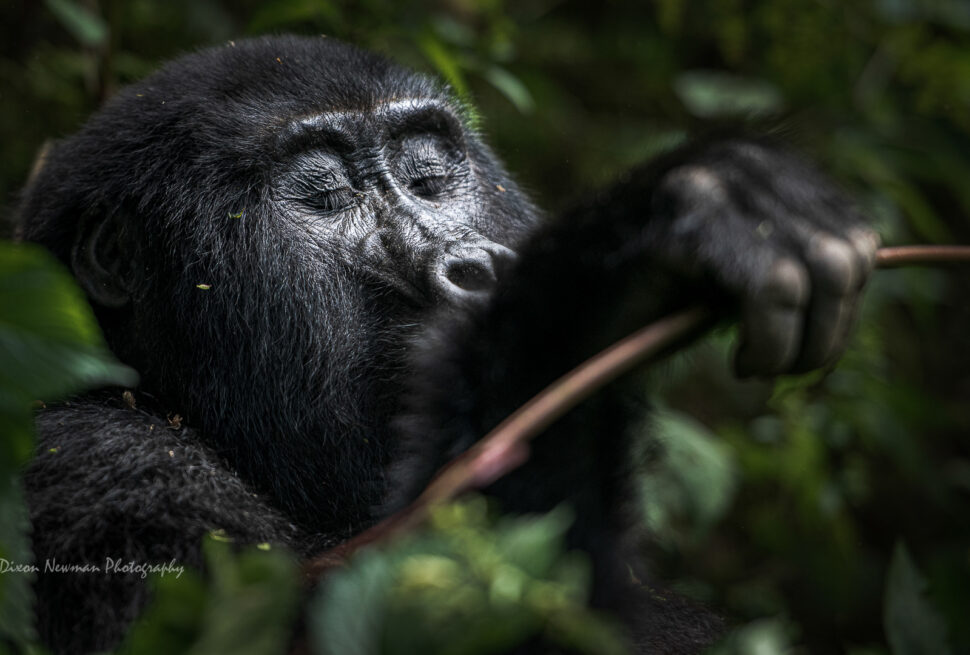
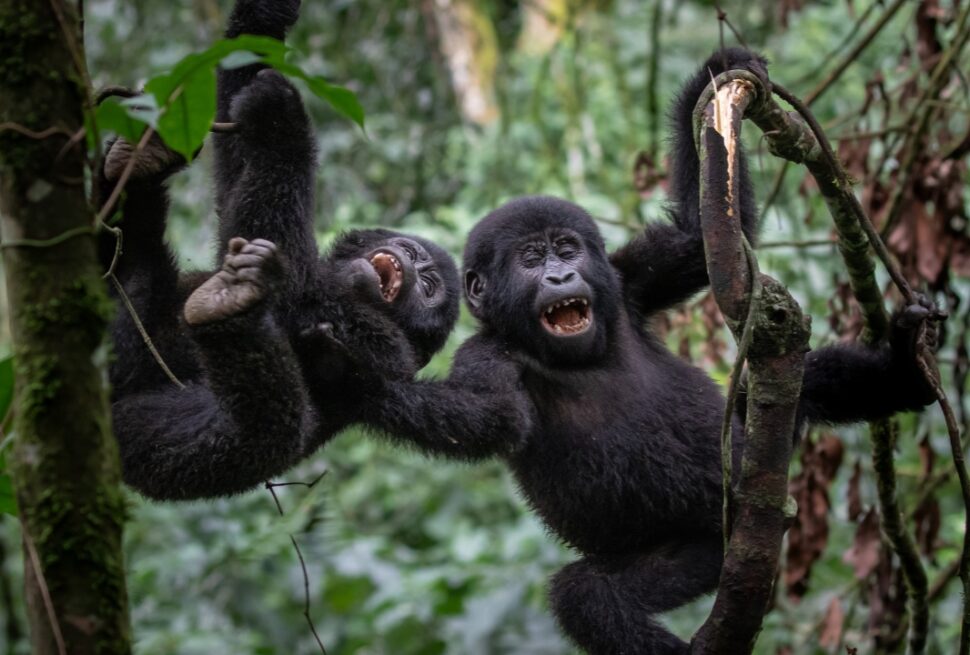
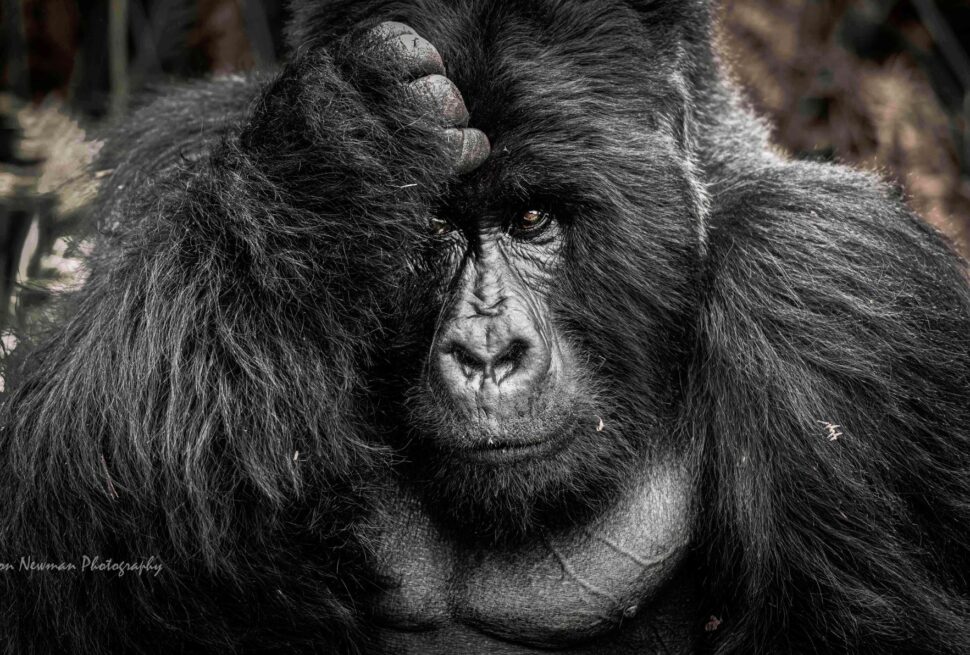
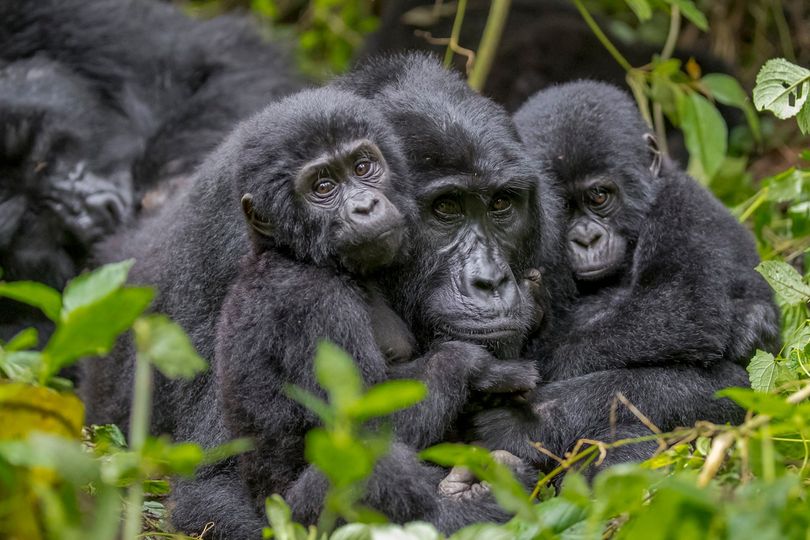
- Gorilla trekking
- Chimpanzee tracking
- Guided forest walks
Visitors are always accompanied by professional rangers who:
- Understand animal behavior
- Provide security against wildlife threats
- Ensure tourists follow safety rules
Gorilla trekking, for example, is always conducted under ranger supervision, making it a highly controlled and safe experience.
3. Mandatory Safety Briefings Before Activities
Before participating in any adventure activity, visitors receive a detailed safety briefing.
These briefings cover:
- Rules for interacting with wildlife
- Emergency procedures
- Expected behavior during activities
For example, before trekking in Bwindi Impenetrable National Park, rangers explain how to behave around gorillas and what to do in case of unexpected situations.
4. Strict Wildlife Interaction Rules
Uganda has some of the strictest wildlife interaction guidelines in Africa, especially for primate tourism.
Key rules include:
- Maintaining a distance of 7–10 meters from gorillas
- Avoiding direct eye contact
- No flash photography
- No eating or drinking near animals
- Keeping noise levels low
These rules protect both tourists and animals from harm.
5. Limited Group Sizes
To enhance safety and reduce environmental impact, Uganda limits the number of participants in most activities.
For example:
- Gorilla trekking: Maximum 8 visitors per group
- Gorilla habituation: Maximum 4 visitors
Smaller groups allow:
- Better control by guides
- Reduced stress on wildlife
- Improved safety for all participants
6. Health and Disease Prevention Measures
Because humans and primates share a high percentage of DNA, strict health protocols are enforced.
These include:
- Health screening before trekking
- Denying access to sick visitors
- Mandatory hand sanitation
- Maintaining safe distance
Even minor illnesses like flu can pose serious risks to gorillas, which is why these rules are strictly enforced.
7. Professional Guides and Trackers
All adventure activities in Uganda are led by trained professionals.
Guides and trackers:
- Have extensive knowledge of terrain and wildlife
- Communicate with each other during activities
- Adjust routes for safety
For example, trackers locate gorilla families in advance, ensuring tourists follow safe and efficient paths.
8. Controlled Access Through Permits
Many adventure activities require permits, which serve as a safety control mechanism.
Examples include:
- Gorilla trekking permits
- Chimpanzee tracking permits
These permits:
- Limit the number of visitors
- Ensure organized scheduling
- Prevent overcrowding
Controlled access enhances both safety and conservation.
9. Emergency Response and Evacuation Plans
Tour operators and parks are equipped with emergency protocols.
These include:
- First aid training for guides
- Access to nearby medical facilities
- Evacuation procedures in case of emergencies
Travelers are also encouraged to carry travel insurance for added protection.
10. Safety in Adventure Activities (Jinja & Beyond)
Adventure tourism in Jinja, such as white-water rafting, is managed by certified operators.
Safety measures include:
- Use of helmets and life jackets
- Professional rafting guides
- Safety kayakers accompanying trips
- Pre-activity safety instructions
These activities follow international safety standards, making them both thrilling and secure.
11. Infrastructure and Road Safety
While Uganda’s roads can be challenging in remote areas, safari transport is designed with safety in mind.
Measures include:
- Use of 4×4 vehicles
- Experienced driver-guides
- Regular vehicle maintenance
Drivers are trained to handle long distances and difficult terrain, especially when traveling to parks like Murchison Falls National Park.
12. Environmental and Terrain Safety
Adventure tourism often takes place in rugged environments such as forests, mountains, and rivers.
To minimize risks:
- Visitors are advised to wear proper gear
- Walking sticks are provided during treks
- Trails are guided and monitored
The main risks are often environmental (e.g., slippery terrain), but proper preparation significantly reduces them.
13. Community Involvement and Local Support
Local communities play a role in maintaining safety and sustainability.
This includes:
- Community tourism initiatives
- Local guides and porters
- Cultural awareness programs
Community involvement reduces conflict and enhances security in tourism areas.
14. Conservation-Based Tourism Model
Uganda’s tourism model prioritizes conservation, which directly contributes to safety.
By focusing on:
- Low visitor numbers
- Controlled interactions
- Sustainable practices
The country ensures that both wildlife and tourists remain safe.
15. Continuous Monitoring and Improvement
Safety measures in Uganda are constantly reviewed and improved.
Authorities regularly:
- Update guidelines
- Train staff
- Monitor tourist feedback
This ongoing effort ensures that Uganda remains a safe and competitive adventure destination.
Conclusion
Adventure tourism in Uganda is not only exciting but also highly regulated and safe. From armed ranger escorts and strict wildlife rules to health protocols and professional guides, every aspect of the experience is carefully managed.
Whether you’re trekking gorillas in Bwindi Impenetrable National Park, spotting wildlife in Murchison Falls National Park, or rafting in Jinja, you can travel with confidence knowing that strong safety systems are in place.
Ultimately, Uganda’s commitment to safety, conservation, and responsible tourism ensures that your adventure is not only unforgettable—but also secure and well-managed from start to finish.