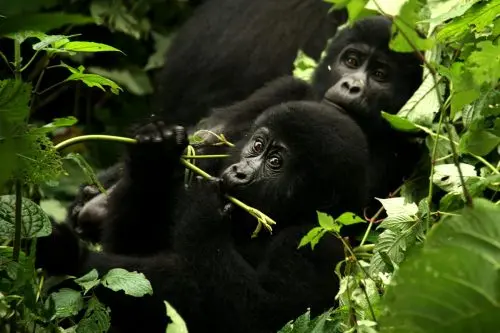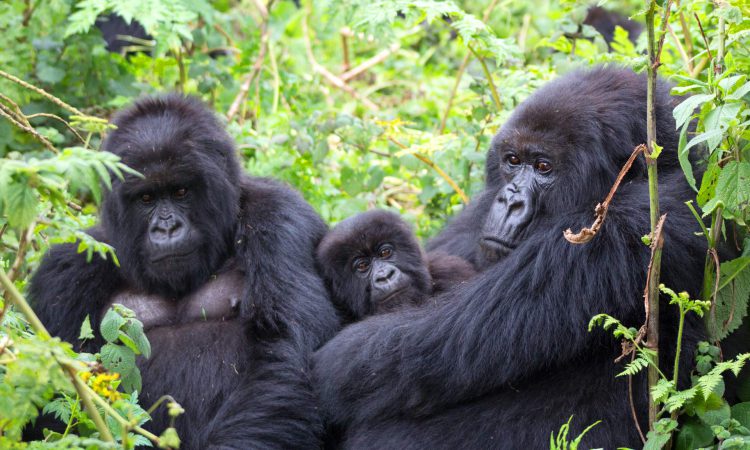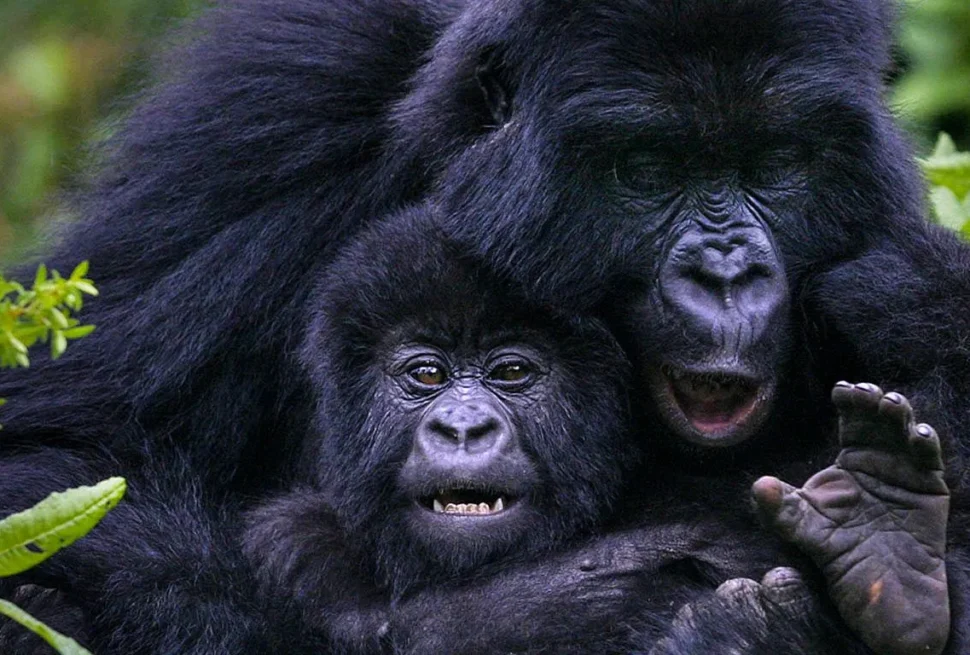

Gorilla trekking is one of the most exclusive wildlife experiences in the world. Unlike traditional safaris where dozens of vehicles may gather around animals, gorilla trekking follows a strict rule: only a small number of visitors are allowed to see each gorilla family per day.
In destinations like Bwindi Impenetrable National Park and Mgahinga Gorilla National Park, this limit is typically set at 8 visitors per gorilla family per day. While this may seem restrictive, it is a carefully designed conservation strategy that protects both the gorillas and the quality of the experience.
So why exactly is gorilla trekking limited in this way? Let’s explore the key reasons in detail.
1. Protecting the Health of Mountain Gorillas
Mountain gorillas share approximately 98% of their DNA with humans, making them highly vulnerable to human diseases such as flu, measles, and respiratory infections.
Limiting the number of visitors reduces:
- The risk of disease transmission
- The frequency of human-gorilla contact
- The potential for outbreaks that could wipe out entire families
Authorities like the Uganda Wildlife Authority enforce strict health protocols, including maintaining a safe distance and restricting visits to one hour. By keeping visitor numbers low, the chances of accidental illness transmission are significantly minimized.
2. Reducing Stress and Behavioral Disruption
Gorillas are gentle but highly sensitive animals. Large crowds can cause stress, anxiety, and changes in their natural behavior.
Too many visitors could lead to:
- Altered feeding patterns
- Increased aggression or withdrawal
- Disruption of social structures
By limiting groups to just 8 people, gorillas remain calm and continue behaving naturally. This is essential not only for their well-being but also for scientific observation and conservation efforts.
3. Supporting Sustainable Tourism
Gorilla trekking is designed as a low-impact, high-value tourism activity. Instead of attracting large numbers of tourists, it focuses on fewer visitors who pay higher permit fees.
This approach ensures:
- Less environmental degradation
- Better resource management
- Long-term sustainability of tourism
Parks like Bwindi Impenetrable National Park operate under strict ecological guidelines, and limiting visitor numbers helps preserve the fragile rainforest ecosystem.
4. Preserving the Natural Habitat
Mountain gorillas live in dense tropical forests that are extremely sensitive to human interference.
Allowing too many visitors would result in:
- Trail erosion
- Vegetation damage
- Increased waste and pollution
By controlling the number of trekkers each day, park authorities can maintain the integrity of these habitats. This ensures that gorillas continue to thrive in a healthy and undisturbed environment.
5. Ensuring a High-Quality Visitor Experience
One of the biggest advantages of limited visitor numbers is the intimate and personal nature of the experience.
Imagine standing in a quiet forest, just a few meters away from a gorilla family, without crowds or noise. This is what makes gorilla trekking truly magical.
With smaller groups:
- Everyone gets a clear view of the gorillas
- Guides can provide personalized attention
- The experience feels exclusive and immersive
If larger groups were allowed, the experience would become chaotic and less meaningful.
6. Easier Management and Safety
Gorilla trekking takes place in rugged, often unpredictable terrain. Managing large groups in such conditions would be difficult and potentially dangerous.
Smaller groups allow guides and rangers to:
- Maintain better control
- Ensure safety protocols are followed
- Respond quickly to emergencies
Each group is accompanied by trained rangers who understand gorilla behavior and forest navigation. Limiting visitor numbers makes their job more effective.
7. Supporting Conservation Through Controlled Access
Limiting visitor numbers is part of a broader conservation strategy. By restricting access, authorities can:
- Monitor gorilla families more effectively
- Prevent illegal activities like poaching
- Maintain strict tracking systems
Daily tracking teams locate gorilla families and guide visitors accordingly. This system would be overwhelmed if too many tourists were allowed.
8. Time Restrictions Enhance Protection
In addition to limiting numbers, each group is allowed to spend only one hour with the gorillas.
This rule works hand-in-hand with visitor limits to:
- Reduce prolonged exposure to humans
- Allow gorillas to return to their natural routines
- Minimize cumulative stress
Even though the trek may take several hours, the interaction itself is intentionally brief to protect the animals.
9. Encouraging Responsible Tourism
The limited permit system encourages travelers to plan ahead and value the experience more.
It promotes:
- Respect for wildlife rules
- Awareness of conservation efforts
- Responsible travel behavior
Visitors understand that they are part of a carefully controlled system designed to protect endangered species.
10. Balancing Conservation and Economic Benefits
While limiting visitor numbers may seem like it reduces tourism revenue, it actually creates a balanced model that benefits both conservation and local economies.
Fewer visitors paying higher fees generate enough revenue to:
- Fund conservation programs
- Support local communities
- Maintain park infrastructure
This model ensures that tourism does not come at the expense of the gorillas.
11. Preventing Over-Tourism
Over-tourism is a growing problem in many wildlife destinations around the world. It leads to environmental damage, wildlife stress, and poor visitor experiences.
Gorilla trekking avoids this issue by design.
By keeping numbers low:
- Ecosystems remain intact
- Wildlife is protected
- ტურism remains sustainable for future generations
This proactive approach has helped mountain gorilla populations slowly recover over the years.
12. Protecting Future Generations of Gorillas
Ultimately, the goal of limiting visitors is to ensure that future generations can continue to see mountain gorillas in the wild.
Every restriction—whether it’s group size, visit duration, or permit cost—serves a larger purpose:
- Long-term survival of the species
- Preservation of natural habitats
- Continued success of conservation efforts
Without these measures, gorilla trekking could easily become unsustainable.
Conclusion
The limitation on the number of visitors per day in gorilla trekking is not a barrier—it is a necessity. It protects the health, behavior, and habitat of mountain gorillas while ensuring a safe and unforgettable experience for travelers.
From disease prevention and stress reduction to sustainable tourism and conservation funding, every aspect of this system is carefully designed to balance human curiosity with wildlife protection.
When you secure a gorilla permit, you are not just booking a tour—you are participating in a conservation success story. The small group size ensures that your presence has minimal impact while maximizing the positive contribution to protecting one of the world’s most remarkable species.
In the end, the exclusivity of gorilla trekking is exactly what makes it so special.