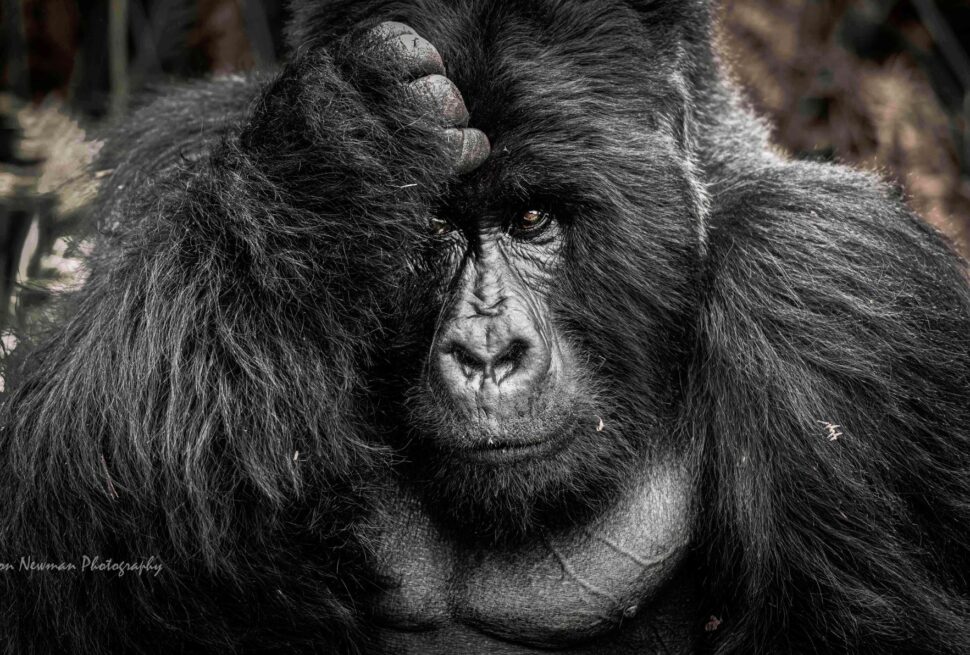
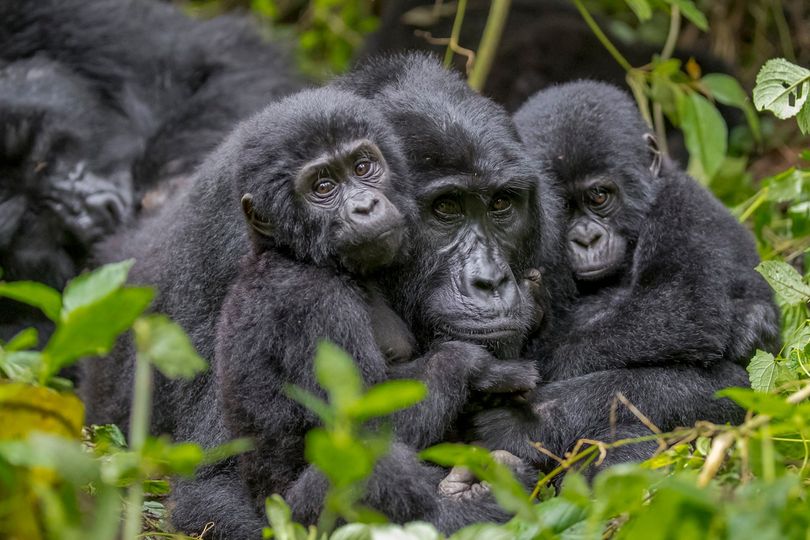
A gorilla safari in Uganda is one of the most extraordinary wildlife experiences in the world. Imagine trekking through dense rainforest, guided by expert trackers, and suddenly coming face-to-face with a family of mountain gorillas in their natural habitat. It’s powerful, emotional, and unforgettable.
But before you embark on this once-in-a-lifetime journey, it’s important to be well-prepared. Gorilla trekking is not your typical safari—it requires planning, physical readiness, and an understanding of rules and logistics. In this comprehensive guide, we’ll cover everything you need to know before going for a gorilla safari in Uganda.
Where Gorilla Trekking Takes Place in Uganda
Gorilla trekking in Uganda happens in two main national parks:
- Bwindi Impenetrable National Park
- Mgahinga Gorilla National Park
Bwindi Impenetrable National Park
- Home to nearly half of the world’s mountain gorillas
- Multiple trekking sectors (Buhoma, Ruhija, Rushaga, Nkuringo)
- Dense forest and varied terrain
Mgahinga Gorilla National Park
- Smaller and less crowded
- Part of the Virunga mountain range
- Offers a more exclusive experience
Gorilla Trekking Permits
Why You Need a Permit
A gorilla trekking permit is mandatory and grants you access to visit a habituated gorilla family.
Cost
- Approximately $800 per person (for foreign non-residents)
Booking Tips
- Book permits 3–6 months in advance
- Use a reputable tour operator
- Permits are limited and sell out quickly
Physical Fitness and Trek Difficulty
Gorilla trekking can be physically demanding.
What to Expect
- Trek duration: 1 to 6 hours (sometimes longer)
- Terrain: steep, muddy, and uneven
- Altitude: moderate to high
You don’t need to be an athlete, but a reasonable level of fitness is important.
Best Time to Go Gorilla Trekking
Uganda is a year-round destination, but some months are better than others.
Dry Season (Best Time)
- June to September
- December to February
Benefits:
- Easier hiking conditions
- Less muddy trails
Rainy Season
- March to May
- October to November
Pros:
- Fewer tourists
- Lush scenery
Cons:
- Slippery trails
What to Pack for Gorilla Trekking
Proper packing is essential for a comfortable experience.
Clothing
- Long-sleeved shirts and trousers
- Waterproof jacket
- Hat and gloves
Footwear
- Sturdy hiking boots with good grip
Essentials
- Insect repellent
- Sunscreen
- Reusable water bottle
- Snacks
Optional
- Walking stick (often provided)
- Camera (no flash allowed)
Gorilla Trekking Rules and Guidelines
To protect both visitors and gorillas, strict rules are enforced.
Key Rules
- Maintain a distance of at least 7 meters
- Do not touch the gorillas
- No flash photography
- Stay quiet and calm
- Follow your guide’s instructions at all times
Health Requirement
- Do not trek if you are sick (gorillas are vulnerable to human diseases)
What Happens on Trekking Day
Morning Briefing
Your day starts early with a briefing by park rangers at the headquarters.
Group Allocation
- Groups of up to 8 people
- Assigned to a specific gorilla family
The Trek
- Guided hike through the forest
- Duration varies depending on gorilla location
The Encounter
- Spend one hour with the gorillas
- Observe, photograph, and enjoy the moment
Hiring a Porter – Why It’s Worth It
Porters are available to assist you during the trek.
Benefits
- Carry your backpack
- Provide support on steep terrain
- Boost local community income
Hiring a porter is highly recommended, even if you’re fit.
Health and Vaccination Requirements
Before traveling to Uganda, ensure you meet health requirements.
Mandatory
- Yellow fever vaccination
Recommended
- Hepatitis A & B
- Typhoid
- Tetanus
Malaria Prevention
- Take antimalarial medication
- Use mosquito repellent
Accommodation Options Near Gorilla Parks
There are options for every budget:
Budget
- Basic lodges and guesthouses
Mid-Range
- Comfortable eco-lodges
Luxury
- High-end safari lodges with premium services
Staying near your trekking sector is important to avoid long morning drives.
Cost of a Gorilla Safari
Basic Breakdown
- Permit: $800
- Accommodation: $70–$500 per night
- Transport: varies depending on itinerary
Total Estimate
- Budget safari: $1,200–$1,800
- Mid-range: $2,000–$3,500
- Luxury: $4,000+
Safety During Gorilla Trekking
Gorilla trekking is very safe when conducted properly.
- Rangers are trained and experienced
- Gorillas are habituated to human presence
- Safety protocols are strictly followed
As long as you follow instructions, there is minimal risk.
Cultural Experiences Around Gorilla Parks
Enhance your trip by exploring local culture.
Batwa Community Visits
- Learn about indigenous forest dwellers
- Experience traditional music and dance
Local Villages
- Interact with communities
- Support local businesses
Combining Gorilla Trekking with Other Safaris
Uganda offers diverse experiences beyond gorillas.
Popular Add-ons
- Wildlife safaris in Queen Elizabeth National Park
- Chimpanzee tracking in Kibale National Park
- Boat cruise on the Kazinga Channel
Tips for a Successful Gorilla Safari
- Book early
- Stay hydrated
- Take your time during the trek
- Listen carefully to your guide
- Enjoy the moment—don’t rush
Common Mistakes to Avoid
- Underestimating the trek difficulty
- Packing the wrong gear
- Booking permits late
- Ignoring health precautions
Proper preparation makes all the difference.
Why Gorilla Trekking in Uganda Is Worth It
Uganda offers:
- High success rates of sightings
- Affordable permits compared to neighboring countries
- Rich biodiversity
- Authentic and less crowded experiences
It’s one of the best places in the world to see mountain gorillas.
Final Thoughts
So, what do you need to know before going for a gorilla safari in Uganda?
From securing your permit and preparing physically to understanding trekking rules and packing the right gear, careful planning ensures a smooth and unforgettable experience.
Whether you’re trekking in Bwindi Impenetrable National Park or exploring the scenic landscapes of Mgahinga Gorilla National Park, a gorilla safari in Uganda is truly a once-in-a-lifetime adventure.