Introduction: What to Pack for Uganda Safari Tours
Are you preparing for gorilla trekking and a wildlife safari in Uganda and wondering what to pack? Choosing the right safari clothing, hiking equipment, travel documents, and personal essentials can make your African adventure more comfortable and enjoyable.
Uganda, known as the Pearl of Africa, offers extraordinary experiences, from mountain gorilla trekking in Bwindi Impenetrable National Park to wildlife game drives in Queen Elizabeth National Park and Murchison Falls National Park. Your packing list should cover both rainforest trekking and open-savannah wildlife viewing.
For travellers planning Uganda safari tours, the most important items include sturdy hiking boots, long-sleeved clothing, a waterproof jacket, insect repellent, sunscreen, drinking water, a camera, and essential travel documents. Gorilla trekking can involve several hours of hiking through steep, muddy, and densely vegetated forest, so preparation matters.
This guide explains what to pack for gorilla trekking Uganda, wildlife safaris, chimpanzee tracking, and other activities so you can prepare confidently for your journey with Memorable Gorilla Safari Uganda.
1. What Clothes Should I Pack for Gorilla Trekking in Uganda?
The best clothes for gorilla trekking are comfortable, lightweight, breathable, and protective. Bwindi Impenetrable National Park and Mgahinga Gorilla National Park have forest environments where rain, mud, thorns, and stinging vegetation can make unsuitable clothing uncomfortable.
Pack the following:
- Long-sleeved shirts to protect your arms from vegetation and insects.
- Lightweight, quick-drying long trousers.
- A waterproof rain jacket with a hood.
- A warm fleece or light sweater for cool mornings.
- Several pairs of comfortable hiking socks.
- Gardening or trekking gloves to protect your hands from thorny plants.
- Gaiters or long socks that can be pulled over your trousers.
- A hat and sunglasses for sunny sections of the journey.
Choose practical colours such as brown, grey, olive, or khaki. Avoid clothing that is difficult to move in or becomes heavy when wet.
Pack an extra set of trekking clothes because your outfit may become muddy or soaked during the hike. These essentials are useful for anyone booking a Uganda gorilla safari or a combined gorilla and wildlife tour.
2. Which Shoes Are Best for Gorilla Trekking Uganda?
Sturdy hiking boots are among the most important items to pack for gorilla trekking in Uganda.
The trails in Bwindi and Mgahinga can be steep, slippery, and uneven. Waterproof hiking boots with good tread and ankle support can improve grip and comfort.
Before travelling, wear your boots on several walks to make sure they fit properly and do not cause blisters.
Also consider packing:
- Extra hiking socks.
- Lightweight shoes for relaxing at your lodge.
- Sandals or slippers for evenings.
- Gaiters to help keep mud and debris out of your boots.
Avoid relying on ordinary fashion shoes or smooth-soled trainers for a demanding forest trek. Suitable footwear is also helpful when exploring nature trails and other outdoor destinations on Uganda safari tours.
3. What Should I Carry in My Gorilla Trekking Daypack?
You do not need to carry your entire suitcase into the forest. A small, comfortable daypack is sufficient for the items you need during your trek.
Your gorilla trekking packing list should include:
- Drinking water, generally around 1.5–2 litres for a substantial trek, adjusted to conditions and your needs.
- A packed lunch and light energy snacks.
- A waterproof jacket or rain protection.
- A small first-aid kit with blister plasters.
- Insect repellent and sunscreen.
- Personal medication.
- A camera or mobile phone in a protective waterproof pouch.
- Spare camera batteries and a memory card.
- Tissues and a small bag for carrying out rubbish.
Ask your lodge whether a packed lunch and drinking water will be provided. A walking stick may be available at the park headquarters, and hiring a local porter can help you manage your daypack on difficult trails.
Keep your bag lightweight so that you can move comfortably through the forest.
4. What Should I Pack for a Uganda Wildlife Safari?
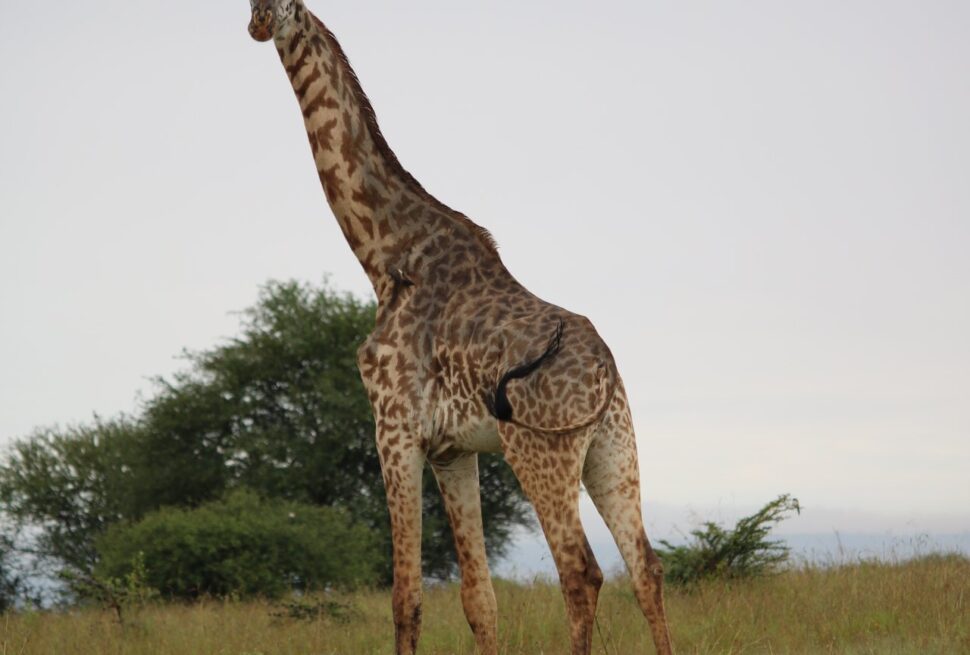
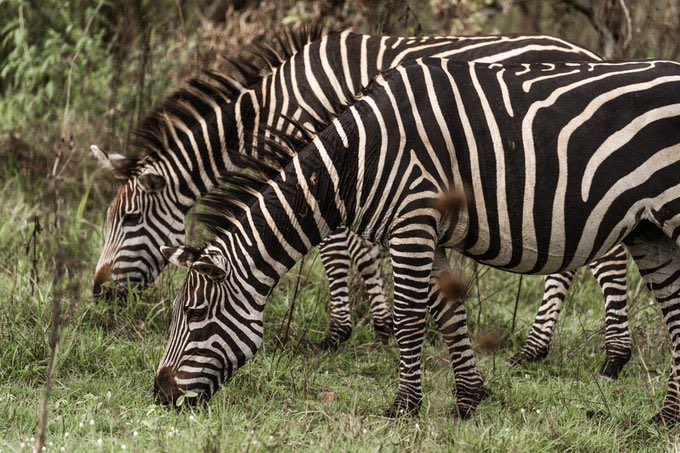
A wildlife safari in Uganda requires a slightly different packing list from gorilla trekking. Game drives in Queen Elizabeth National Park, Murchison Falls National Park, and Lake Mburo National Park may involve long hours outdoors, changing temperatures, dust, and bright sunshine.
Pack these useful safari essentials:
- Neutral-coloured shirts and trousers.
- Comfortable closed shoes.
- A wide-brimmed hat or safari cap.
- Sunglasses and sunscreen.
- A light fleece for early morning game drives.
- Binoculars for spotting distant wildlife and birds.
- A camera with spare batteries.
- A reusable water bottle.
- A small daypack for personal items.
Lightweight clothing in neutral colours is practical for wildlife viewing. You can also pack a few comfortable casual outfits for lodge evenings, restaurant visits, and relaxing between activities.
If your Uganda safari package includes a boat cruise on the Kazinga Channel or the Nile, bring sun protection and a light jacket for changing weather.
5. What Camera Equipment Should I Pack for a Gorilla and Wildlife Safari?
Uganda is an excellent destination for wildlife photography, from close encounters with mountain gorillas to photographing elephants, lions, birds, and other animals.
Consider packing:
- A camera or a good-quality smartphone.
- A versatile zoom lens if you use a camera.
- Spare batteries and memory cards.
- A waterproof camera cover or dry bag.
- A small cleaning cloth for your lens.
- Binoculars for observing distant wildlife.
Rainforest conditions can be dim, so a camera that performs well in low light is useful. During gorilla trekking, do not use flash photography. Follow your guide’s instructions and current park rules to protect the gorillas and other visitors.
You do not need expensive equipment to enjoy your Uganda safari. A smartphone can still capture memorable moments, provided you protect it from moisture and follow wildlife viewing rules.
6. What Travel Documents Should I Bring for Uganda Safari Tours?
Before leaving home, organise your travel documents and keep important information accessible.
Your Uganda safari travel checklist should include:
- A valid passport.
- The appropriate Uganda visa or entry approval, if required for your nationality.
- Your safari booking confirmation.
- Gorilla or chimpanzee permit confirmation, where applicable.
- Travel insurance documents.
- Flight tickets and airport transfer details.
- Emergency contact information.
- Copies of important documents stored securely.
Check Uganda’s current immigration requirements before departure and confirm any permit documentation required by your safari operator.
Keep essential documents protected from rain and carry only the cash you need for the day’s activities.
7. What Health and Personal Care Items Should I Pack for Uganda?
For a comfortable Uganda safari holiday, pack personal care products and any items you need for your health.
Useful items include:
- Insect repellent.
- Sunscreen.
- Hand sanitiser.
- Personal prescription medication in its original packaging.
- A small first-aid kit.
- Blister plasters.
- Lip balm and moisturiser.
- Personal hygiene products.
- Reusable water bottles.
Consult a qualified travel-health professional before your trip about recommended vaccinations, malaria prevention, and any precautions relevant to your itinerary.
If you feel unwell before a gorilla trek, inform your safari operator and follow park guidance. Respiratory illnesses can pose risks to mountain gorillas, so visitors must comply with the applicable health and hygiene rules.
8. What Should I Pack for Uganda’s Weather?
Uganda has varied climates, and conditions differ between rainforest areas, highlands, lakeshores, and savannah parks. Rain can occur even during periods commonly considered dry.
For the wetter months, bring a reliable waterproof jacket, extra socks, a dry bag, and quick-drying clothes.
For relatively drier periods, pack sun protection and comfortable lightweight clothing, but still carry rain protection for forest trekking.
Early morning game drives and evenings in highland areas can feel cool, so a light warm layer is useful throughout the year.
The best packing list depends on the parks you plan to visit, your travel dates, and the activities included in your Uganda safari package.
9. What Should I Avoid Packing for a Uganda Safari?
To keep your luggage manageable, avoid unnecessary heavy items.
You can usually leave behind:
- Excessive formal clothing.
- Heavy shoes that are unsuitable for trekking.
- Unnecessary valuables and expensive jewellery.
- Too many bulky toiletries.
- Large bags for daily forest hikes.
- Drones unless you have confirmed all required permissions.
Do not pack civilian camouflage clothing, as its use by civilians is restricted in Uganda. Also, avoid relying on flash photography around gorillas.
If your itinerary includes domestic flights, confirm the airline’s baggage limits before packing because restrictions may differ from those for international flights.
10. Complete Packing Checklist for Your Uganda Safari
Before departing, use this quick checklist to make sure you have the essentials.
- Hiking boots and comfortable socks.
- Long trousers and long-sleeved shirts.
- Waterproof jacket and warm layer.
- Gardening gloves and optional gaiters.
- Small daypack and water bottle.
- Snacks and packed lunch arrangements.
- Camera, batteries, and binoculars.
- Insect repellent and sunscreen.
- Personal medication and first-aid supplies.
- Passport, visa documents, and safari confirmations.
- Travel insurance information.
- Comfortable clothes and shoes for the lodge.
Conclusion: Prepare for Your Gorilla Trekking and Uganda Wildlife Safari
Packing correctly for gorilla trekking and wildlife safaris in Uganda helps you stay comfortable, protect yourself from the elements, and enjoy the experience. Focus on sturdy hiking boots, protective clothing, rain gear, drinking water, personal essentials, and suitable camera equipment.
Whether you are visiting Bwindi Impenetrable National Park for gorilla trekking, Queen Elizabeth National Park for wildlife viewing, or Kibale Forest National Park for chimpanzee tracking, preparing in advance makes your Uganda safari more enjoyable.
Ready to plan your adventure? Contact Memorable Gorilla Safari Uganda to explore tailor-made Uganda safari tours, gorilla trekking packages, and wildlife holidays designed around your travel dates and interests.