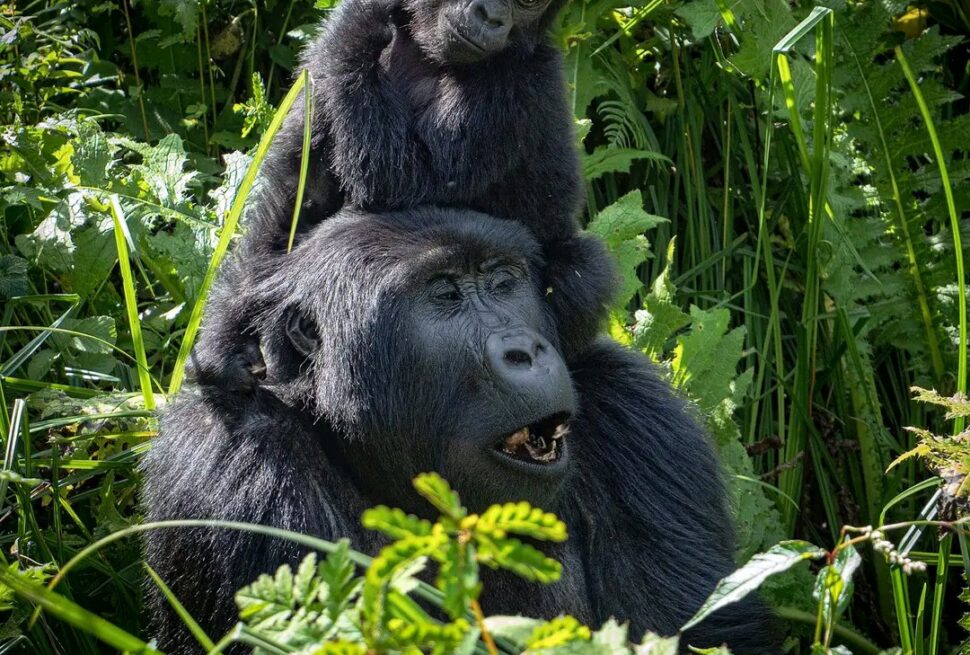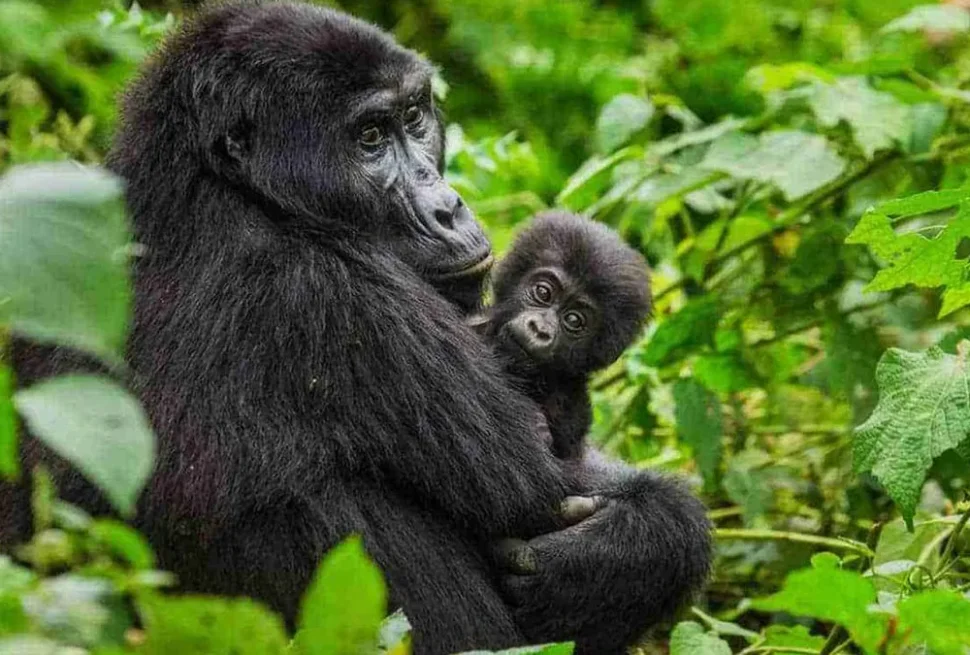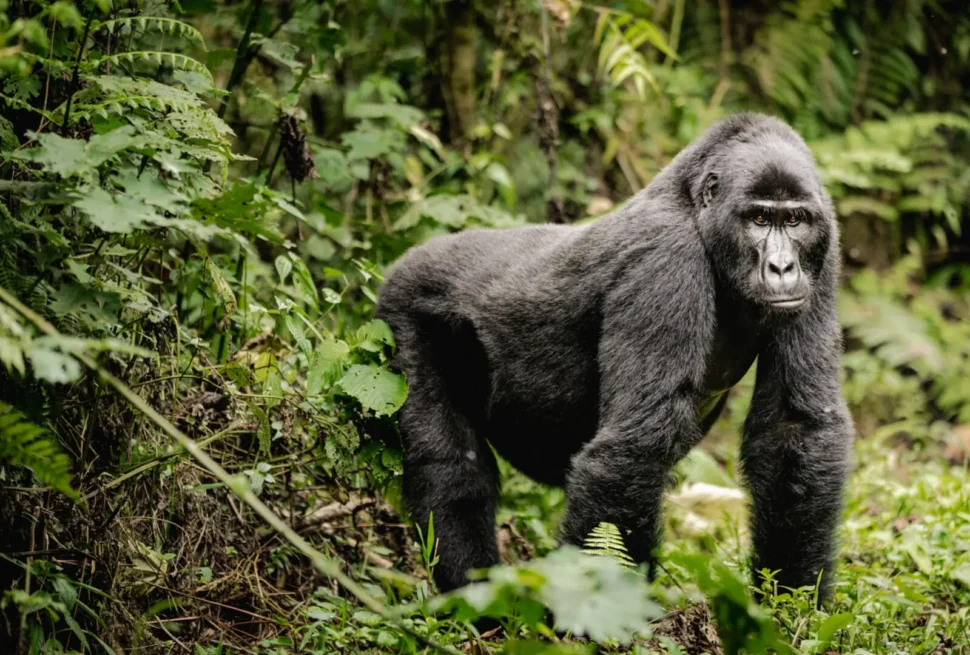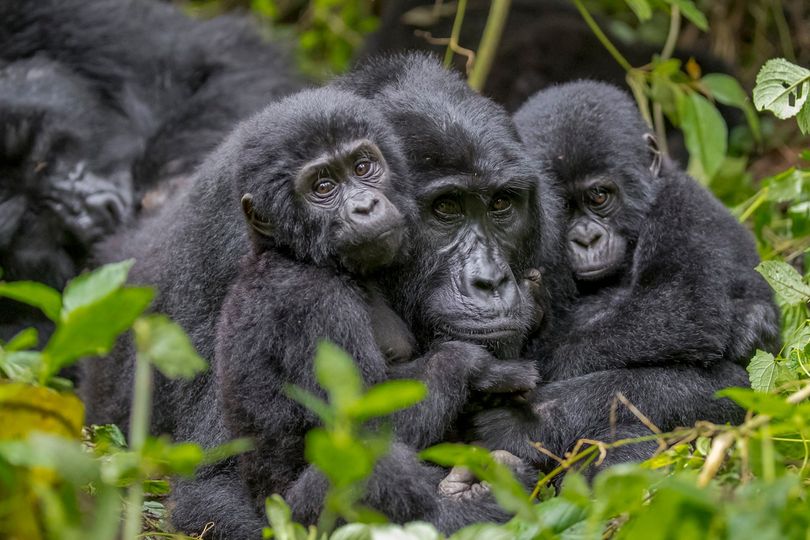
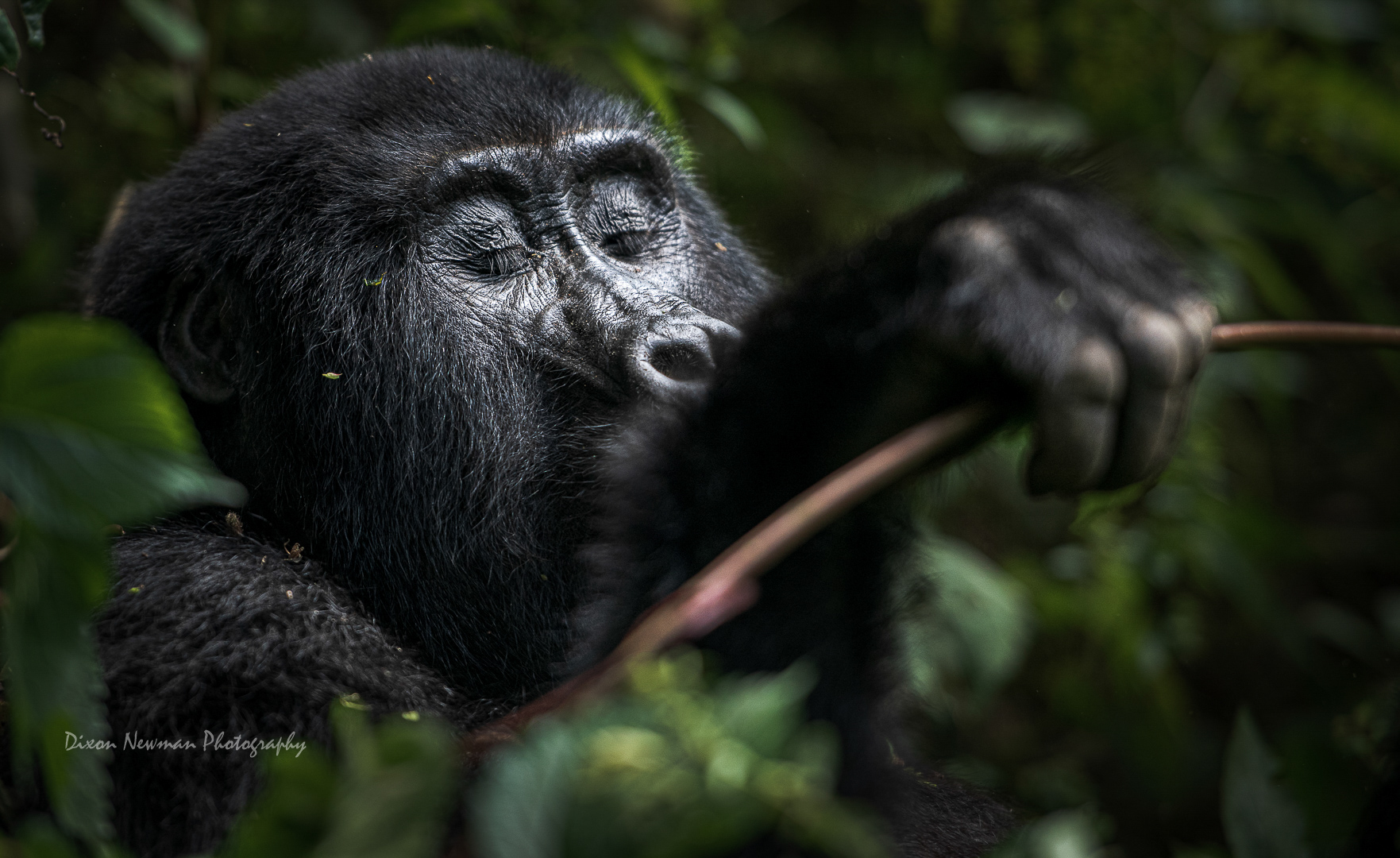
One of the most unforgettable experiences on Uganda safari tours is coming face-to-face with endangered mountain gorillas in their natural habitat. Every year, thousands of travelers visit Uganda to enjoy gorilla trekking, an extraordinary wildlife adventure that takes place in the ancient rainforests of Bwindi Impenetrable National Park and Mgahinga Gorilla National Park.
Because mountain gorillas are critically important to global conservation and share about 98% of their DNA with humans, strict trekking rules have been established to protect both the gorillas and visitors. These regulations, enforced by the Uganda Wildlife Authority (UWA), help minimize the risk of disease transmission, reduce stress on gorilla families, and ensure a safe, sustainable tourism experience.
Whether you are planning your first Uganda gorilla safari or adding gorilla trekking to a longer Uganda safari tour, understanding these rules will help you prepare for one of Africa’s greatest wildlife experiences.
Why Are Gorilla Trekking Rules Important?
Protecting Endangered Mountain Gorillas
Mountain gorillas are among the world’s rarest primates, with just over 1,000 individuals remaining in the wild. Uganda is home to nearly half of the global population, making conservation a national priority.
Gorilla trekking rules are designed to:
- Protect gorillas from human diseases.
- Minimize disturbance to gorilla families.
- Preserve their natural behavior.
- Ensure visitor safety.
- Promote responsible wildlife tourism.
- Support long-term conservation.
By following these regulations, visitors directly contribute to the success of Uganda safari tours and gorilla conservation efforts.
Rule 1: You Must Have a Valid Gorilla Trekking Permit
Gorilla Permits Are Mandatory
Every visitor must possess a valid gorilla trekking permit before entering the forest.
The permit includes:
- Access to a habituated gorilla family.
- Park entrance for the trekking activity.
- Services of professional ranger guides.
- One hour with the gorillas.
Permits are limited each day to reduce pressure on the gorilla families, so booking several months in advance is highly recommended, especially during the peak seasons for Uganda safari tours.
Rule 2: Minimum Age Requirement Is 15 Years
Age Restrictions for Gorilla Trekking
Only visitors aged 15 years and above are allowed to participate in gorilla trekking.
This rule exists because:
- Younger children may struggle with long hikes.
- Children are more likely to carry infectious diseases.
- Young visitors may react unpredictably near gorillas.
Families traveling with younger children can enjoy other activities offered during Uganda safari tours, such as cultural visits, nature walks, or boat cruises.
Rule 3: Do Not Trek If You Are Sick
Help Protect the Gorillas
Mountain gorillas are highly susceptible to human illnesses, including:
- Flu
- Common cold
- COVID-19
- Measles
- Respiratory infections
If you are feeling unwell on the day of your trek, you should inform the park authorities and avoid participating.
This is one of the most important gorilla trekking rules because diseases can spread quickly between humans and gorillas.
Rule 4: Keep a Safe Distance from the Gorillas
Maintain at Least 7 Meters
Visitors are required to stay at least 7 meters (about 23 feet) away from the gorillas whenever possible.
Maintaining this distance helps:
- Reduce disease transmission.
- Prevent stress to the gorillas.
- Allow the animals to behave naturally.
Occasionally, curious gorillas may approach visitors. If this happens, remain calm and follow your ranger’s instructions.
Rule 5: Limit Your Visit to One Hour
Respect the Time Limit
Once your group reaches the gorillas, you are allowed to spend a maximum of one hour observing them.
During this hour, you can:
- Watch family interactions.
- Take photographs.
- Observe feeding and grooming.
- Learn about gorilla behavior.
The time limit helps minimize human impact while allowing many visitors to enjoy this remarkable experience.
Travelers seeking a longer encounter can choose gorilla habituation, which allows up to four hours with a semi-habituated gorilla family.
Rule 6: Keep Noise to a Minimum
Respect the Forest Environment
Visitors should speak quietly throughout the trek.
Avoid:
- Loud conversations.
- Shouting.
- Playing music.
- Sudden noises.
Remaining quiet helps:
- Prevent frightening the gorillas.
- Improve wildlife viewing.
- Enhance the overall trekking experience.
The peaceful atmosphere is one of the reasons gorilla trekking remains a highlight of Uganda safari tours.
Rule 7: Never Feed the Gorillas
Wild Animals Must Remain Wild
Feeding gorillas is strictly prohibited.
Human food may:
- Spread diseases.
- Change natural feeding behavior.
- Encourage dependence on humans.
- Increase conflict between wildlife and people.
Mountain gorillas naturally feed on leaves, shoots, bark, fruit, and other forest vegetation.
Rule 8: Do Not Touch the Gorillas
Observe Without Physical Contact
Although gorillas may appear gentle and friendly, visitors should never attempt to touch them.
Touching gorillas can:
- Spread diseases.
- Cause stress.
- Trigger defensive behavior.
Even if a gorilla approaches you, remain still and allow your guide to manage the situation.
Rule 9: Follow Your Ranger Guide’s Instructions
Rangers Ensure Safety
Professional ranger guides accompany every trekking group.
They provide:
- Safety briefings.
- Wildlife interpretation.
- Navigation through the forest.
- Emergency assistance.
Always follow their instructions carefully.
Their experience is essential for a safe and enjoyable Uganda safari tour.
Rule 10: Do Not Use Flash Photography
Capture Photos Responsibly
Photography is encouraged, but flash photography is prohibited.
Flash can:
- Startle gorillas.
- Interrupt natural behavior.
- Affect wildlife photography quality.
Bring a camera with good low-light performance because rainforest conditions can be dim.
Rule 11: Avoid Littering
Help Protect Uganda’s Rainforests
Visitors should leave the forest exactly as they found it.
Carry out all:
- Plastic bottles.
- Food wrappers.
- Tissues.
- Other waste.
Responsible tourism helps preserve the pristine habitats that make Uganda safari tours so special.
Rule 12: Cover Your Mouth When Sneezing or Coughing
Reduce Disease Transmission
If you need to cough or sneeze:
- Turn away from the gorillas.
- Cover your nose and mouth with your elbow or a tissue.
- Dispose of tissues responsibly.
This simple action helps protect one of the world’s most endangered primates.
Rule 13: Do Not Eat Near the Gorillas
Prevent Attraction and Contamination
Eating is not allowed while you are with the gorillas.
Food may:
- Attract the gorillas.
- Leave litter behind.
- Introduce harmful bacteria.
Your guide will advise appropriate places for snacks during the trek.
Rule 14: Wear Appropriate Clothing
Dress for the Rainforest
Proper clothing makes trekking safer and more comfortable.
Recommended items include:
- Waterproof hiking boots
- Long trousers
- Long-sleeved shirts
- Rain jacket
- Gardening gloves
- Hat
- Insect repellent
Good preparation enhances your experience on Uganda safari tours.
Rule 15: Hire a Porter if Needed
Support Local Communities
Hiring a porter is optional but highly recommended.
Porters help by:
- Carrying backpacks.
- Assisting on steep trails.
- Providing encouragement during difficult sections.
Hiring a porter also creates employment opportunities for local communities living near the parks.
Additional Gorilla Trekking Tips
To make the most of your trek:
- Book permits well in advance.
- Stay physically active before your trip.
- Carry enough drinking water.
- Bring energy snacks.
- Protect your camera from rain.
- Listen carefully during the ranger briefing.
These simple preparations can make your Uganda gorilla safari even more enjoyable.
Why Following the Rules Benefits Everyone
Respecting gorilla trekking regulations helps:
- Protect endangered mountain gorillas.
- Preserve Uganda’s forests.
- Improve visitor safety.
- Support sustainable tourism.
- Ensure future generations can enjoy gorilla trekking.
Responsible tourism is one of the reasons Uganda has become a global leader in mountain gorilla conservation.
Why Gorilla Trekking Is the Highlight of Uganda Safari Tours
For many travelers, gorilla trekking is the defining experience of Uganda safari tours.
Combined with:
- Wildlife game drives
- Chimpanzee trekking
- Boat cruises
- Birdwatching
- Cultural experiences
it creates one of Africa’s most diverse safari adventures.
Whether you are visiting for three days or embarking on a two-week safari, gorilla trekking is an experience you will remember for the rest of your life.
Final Thoughts
Gorilla trekking in Uganda is far more than a wildlife activity—it is an opportunity to witness one of nature’s greatest conservation success stories while contributing directly to the protection of endangered mountain gorillas. By following the trekking rules established by the Uganda Wildlife Authority, you help safeguard these remarkable primates and ensure that future generations can continue to experience them in the wild.
When you book professionally organized Uganda safari tours, your guides will explain each regulation before your trek and ensure you are fully prepared for a safe, respectful, and unforgettable encounter. With proper preparation, respect for the rules, and a spirit of adventure, your gorilla trekking experience will undoubtedly become the highlight of your journey through the Pearl of Africa.