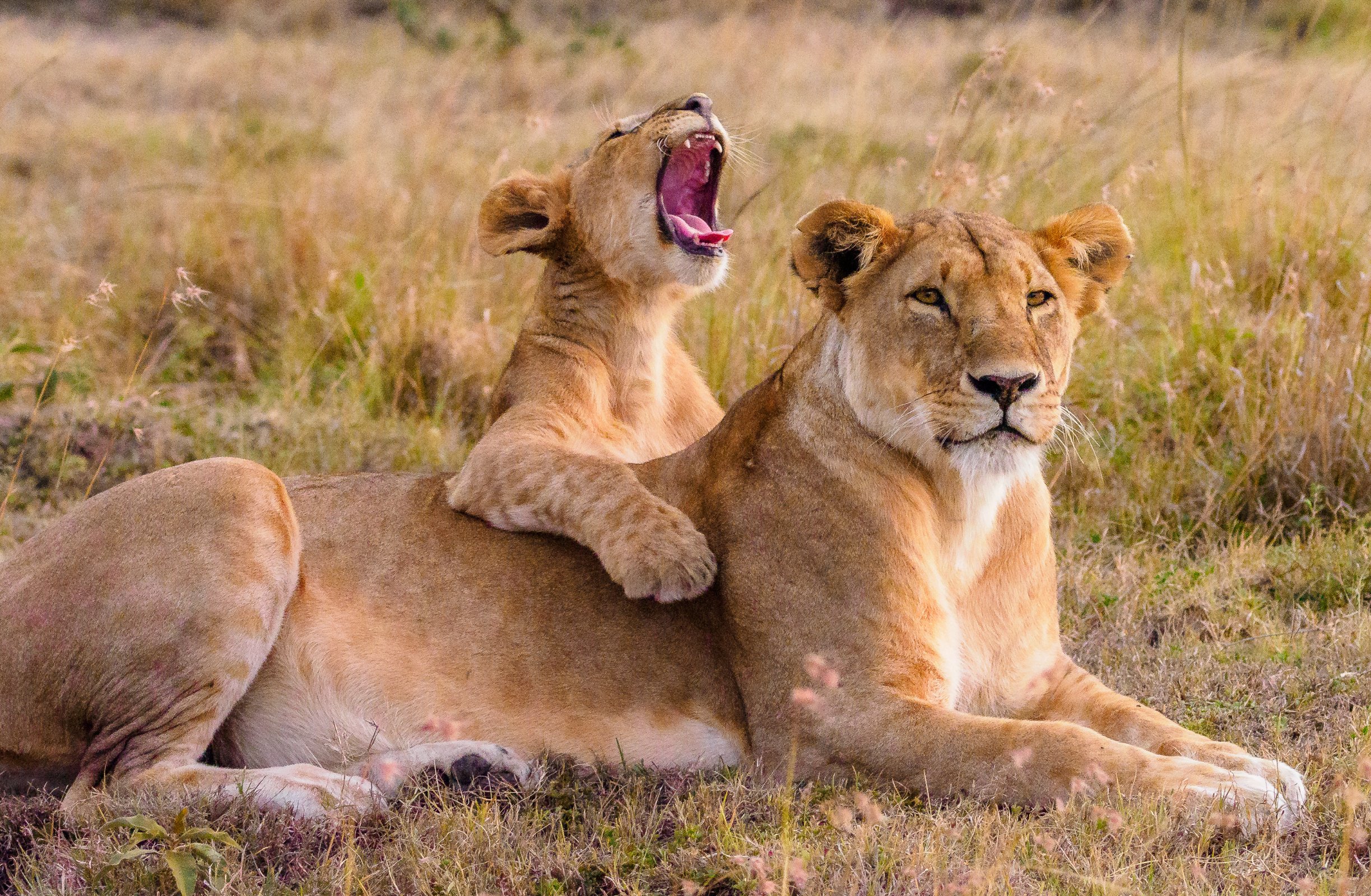
Queen Elizabeth National Park is one of Uganda’s most famous and diverse protected areas, offering an incredible mix of wildlife, landscapes, and safari experiences. Located in western Uganda, the park stretches from the foothills of the Rwenzori Mountains to the shores of Lake Edward, encompassing savannah grasslands, wetlands, forests, and crater lakes.
Whether you are a first-time safari traveler or a seasoned explorer, Queen Elizabeth National Park provides a complete African safari experience—complete with lions, elephants, hippos, birds, and breathtaking scenery.
In this detailed guide, we explore everything you need to know about this iconic
1. Overview of Queen Elizabeth National Park
Queen Elizabeth National Park is Uganda’s most popular and visited national park.
Key Facts:
- Location: Western Uganda
- Size: Approximately 1,978 square kilometers
- Established: 1952
The park stretches from the foothills of the Rwenzori Mountains to the shores of Lake Edward and Lake George.
Its diverse ecosystems make it one of the richest wildlife habitats in Africa.
2. The History of the Park
Before it became a national park, the area was known as Kazinga National Park.
In 1954, the park was renamed in honor of Queen Elizabeth II following her visit to Uganda.
Why Was It Renamed?
- To commemorate the Queen’s visit
- To strengthen Uganda’s ties with the British monarchy at the time
- To elevate the park’s international profile
Since then, the name has remained, even after Uganda gained independence in 1962.
3. Why the Name Still Matters Today
Despite changes in political history, the name Queen Elizabeth National Park has endured because:
- It is globally recognized
- It represents historical heritage
- It has become a strong tourism brand
Today, the name symbolizes both history and conservation success.
4. Unique Landscapes and Ecosystems
One of the reasons the park is so famous is its incredible ecological diversity.
Within the park, you’ll find:
- Savannah grasslands
- Wetlands
- Forests
- Crater lakes
The presence of water bodies like Lake Edward and Lake George supports a wide range of wildlife.
5. Wildlife in the Park
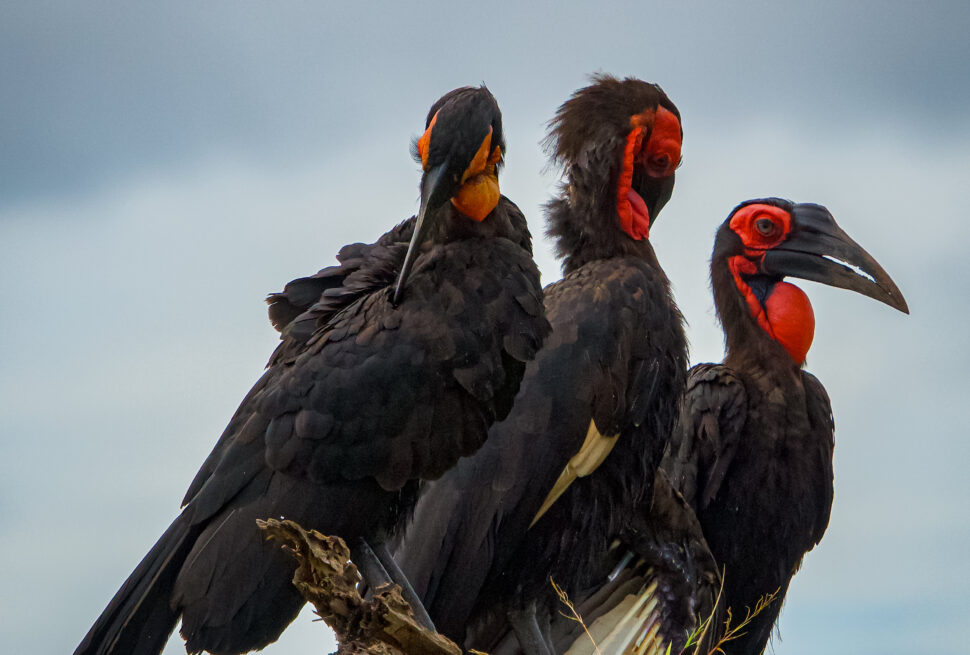
The park is home to over 95 mammal species and more than 600 bird species.
Mammals Include:
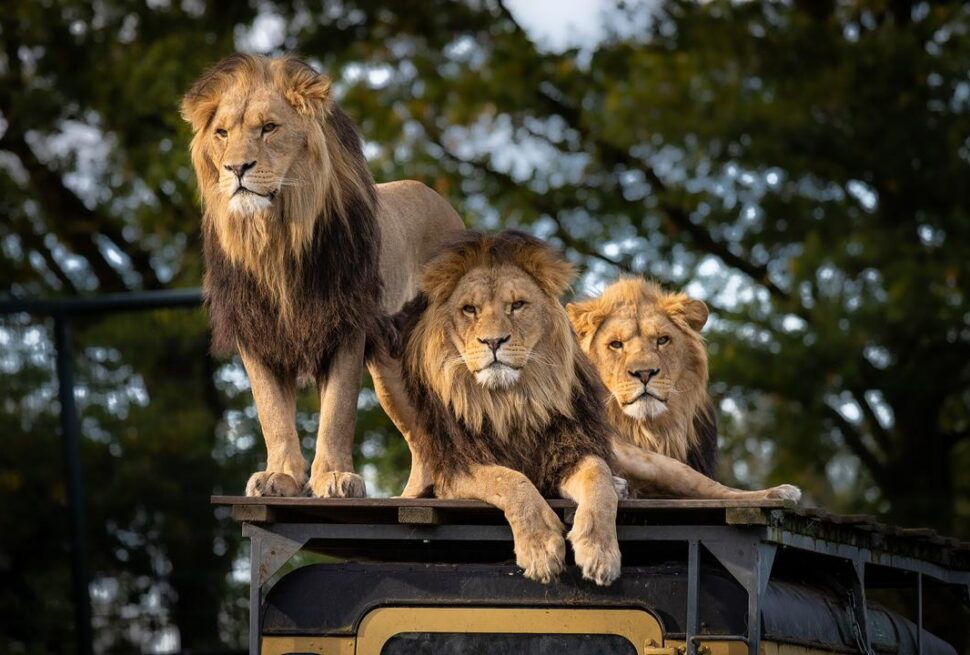
- Lions
- Elephants
- Buffalo
- Leopards
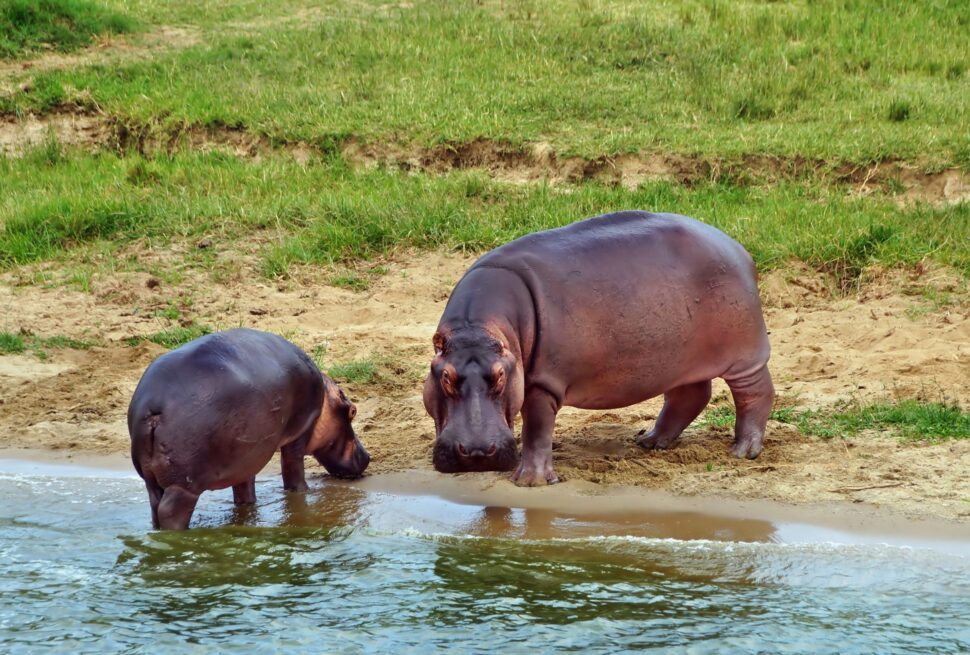
- Hippos
Tree-Climbing Lions
One of the park’s most famous attractions is the tree-climbing lions found in the Ishasha Sector.
These lions are often seen resting in fig trees—a rare and fascinating behavior.
6. The Kazinga Channel
The Kazinga Channel connects Lake Edward and Lake George.
Why It’s Important:
- High concentration of hippos
- Abundant birdlife
- Regular sightings of elephants and buffalo
Boat safaris here are a highlight of any visit.
7. Top Safari Activities
Game Drives
Explore the savannah plains in search of wildlife.
- Best in Kasenyi plains and Ishasha sector
- Ideal during early morning and evening
Boat Cruises
A cruise along the Kazinga Channel offers:
- Close-up wildlife viewing
- Unique photography opportunities
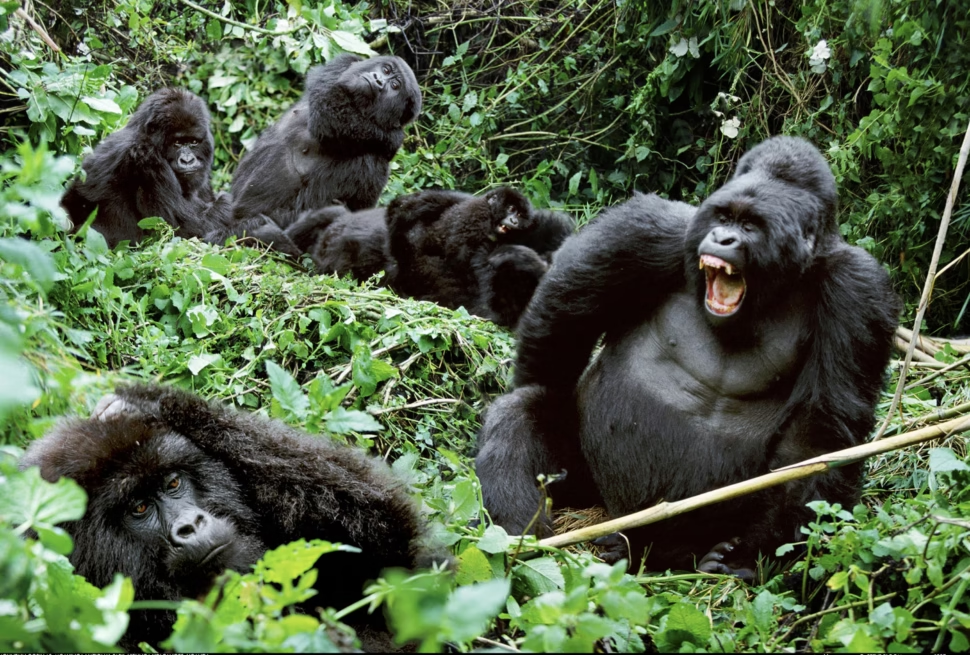
Chimpanzee Tracking
Chimpanzees can be tracked in Kyambura Gorge, a lush forested valley within the park.
Bird Watching
With over 600 species, the park is a birdwatcher’s paradise.
8. The Ishasha Sector
The Ishasha Sector is known for:
- Tree-climbing lions
- Open savannah
- Fewer tourists
It offers a quieter and more exclusive safari experience.
9. Crater Lakes Region
The park features numerous volcanic crater lakes.
These provide:
- Stunning viewpoints
- Unique landscapes
- Great photography spots
10. Cultural Experiences
Visitors can also engage with local communities.
Activities include:
- Traditional dances
- Village visits
- Cultural storytelling
These experiences add depth to the safari.
11. Accommodation Options
Queen Elizabeth National Park offers a range of accommodations:
Budget:
- Campsites and basic lodges
Mid-range:
- Comfortable safari lodges
Luxury:
- High-end lodges with panoramic views
12. Best Time to Visit
The park can be visited year-round, but the best times are:
- June to September
- December to February
These dry seasons make wildlife easier to spot.
13. How to Get There
From Kampala or Entebbe International Airport:
By Road:
- 7-8 hours drive
By Air:
- Domestic flights to nearby airstrips
14. Conservation and Management
The park is managed by the Uganda Wildlife Authority.
Their work includes:
- Wildlife protection
- Anti-poaching efforts
- Community engagement
These efforts ensure long-term sustainability.
15. Why Queen Elizabeth National Park Is So Special
The park stands out because of:
- Its biodiversity
- Unique attractions like tree-climbing lions
- Scenic beauty
- Historical significance
The name itself adds to its identity, linking it to a notable moment in Uganda’s history.
Conclusion
Queen Elizabeth National Park is not just a wildlife destination—it is a place where nature, history, and culture come together. Named after Queen Elizabeth II during her visit in 1954, the park has grown into one of Africa’s most iconic safari locations.
From the wildlife-rich plains and the famous tree-climbing lions of the Ishasha Sector to the vibrant waters of the Kazinga Channel, every part of the park offers something extraordinary.
Whether you’re drawn by its history, its wildlife, or its landscapes, Queen Elizabeth National Park remains a must-visit destination in Uganda—truly living up to its reputation as one of the country’s greatest natural treasures.