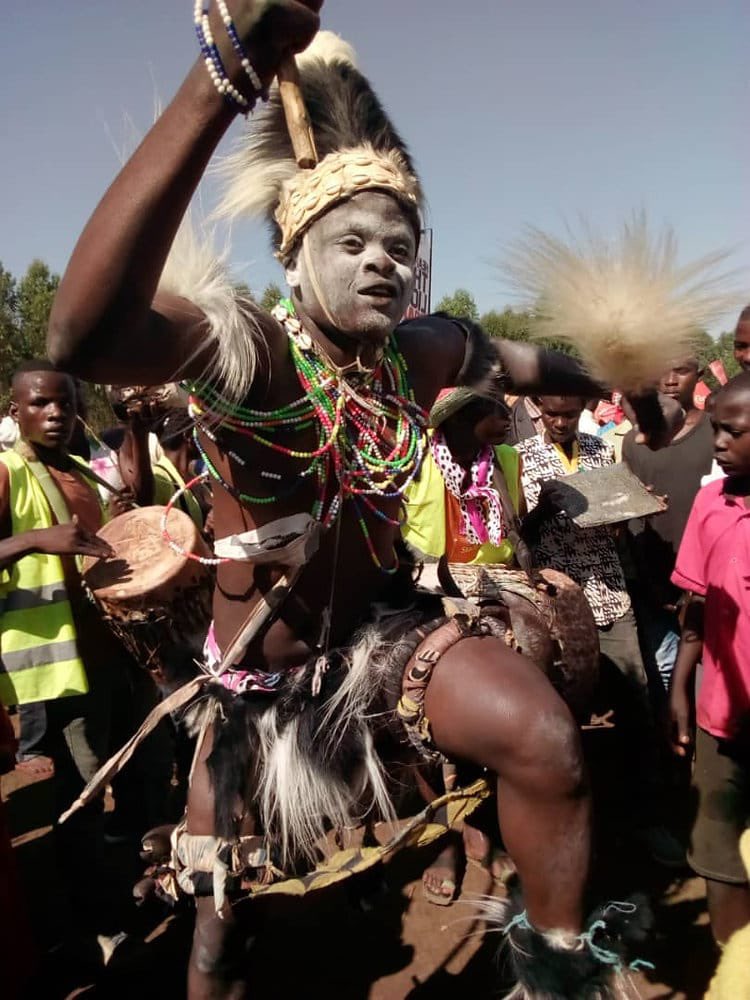
Uganda is one of Africa’s most culturally diverse countries, home to over 50 ethnic groups, each with its own traditions, languages, beliefs, and way of life. This diversity is what gives Uganda its rich cultural identity and makes it such a fascinating destination for travelers.
From the royal traditions of the Buganda Kingdom to the pastoral lifestyle of the Karamojong, Uganda’s cultures are deeply rooted in history and continue to thrive in modern times. Whether you’re visiting rural villages or urban centers like Kampala, cultural experiences are everywhere.
In this guide, we explore 15 of the most popular cultures in Uganda and explain why they stand out.
1. The Baganda Culture
The Baganda are the largest ethnic group in Uganda, primarily found in central Uganda.
Key Features:
- Strong monarchy under the Kabaka
- Rich traditions including royal ceremonies
- Famous for traditional dance like Bakisimba
Why It’s Popular:
- Dominant cultural influence in Uganda
- Well-preserved traditions
- Central role in the country’s history
2. The Banyankole Culture
Located in southwestern Uganda, the Banyankole are known for cattle keeping.
Key Features:
- Ankole long-horned cattle
- Traditional marriage customs
- Milk-based diet
Why It’s Popular:
- Unique pastoral lifestyle
- Iconic cattle symbolize wealth and beauty
3. The Basoga Culture
The Basoga live in eastern Uganda near Jinja.
Key Features:
- Fishing and farming
- Vibrant music and dance
- Strong clan system
Why It’s Popular:
- Cultural richness combined with tourism in Jinja
4. The Bakiga Culture
The Bakiga inhabit the highlands of southwestern Uganda.
Key Features:
- Terraced farming
- Energetic dances
- Strong work ethic
Why It’s Popular:
- Unique mountainous lifestyle
- Cultural resilience
5. The Batoro Culture
The Batoro are found around Fort Portal.
Key Features:
- Tooro Kingdom
- Royal traditions
- Empaako naming system
Why It’s Popular:
- Strong cultural identity
- Unique naming traditions recognized internationally
6. The Banyoro Culture
The Banyoro belong to the historic Bunyoro Kingdom.
Key Features:
- Ancient kingdom heritage
- Traditional leadership structures
- Rich folklore
Why It’s Popular:
- One of the oldest kingdoms in Uganda
- Deep historical significance
7. The Acholi Culture
The Acholi live in northern Uganda.
Key Features:
- Storytelling and oral traditions
- Traditional dances like Bwola
- Strong community bonds
Why It’s Popular:
- Rich artistic expression
- Resilient cultural identity
8. The Langi Culture
Closely related to the Acholi, the Langi are also in northern Uganda.
Key Features:
- Farming-based lifestyle
- Cultural ceremonies
- Clan organization
Why It’s Popular:
- Strong traditions and community values
9. The Karamojong Culture
The Karamojong live in northeastern Uganda.
Key Features:
- Nomadic pastoralism
- Distinctive dress and beadwork
- Strong warrior traditions
Why It’s Popular:
- Unique lifestyle compared to other Ugandan groups
- Authentic and traditional way of life
10. The Iteso Culture
The Iteso are found in eastern Uganda.
Key Features:
- Farming and cattle keeping
- Rich musical traditions
- Clan-based society
Why It’s Popular:
- Cultural vibrancy and strong identity
11. The Bagisu Culture
The Bagisu live around Mount Elgon.
Key Features:
- Imbalu circumcision ceremony
- Agricultural lifestyle
- Strong community traditions
Why It’s Popular:
- Famous Imbalu ritual attracts visitors
12. The Alur Culture
The Alur are found in northwestern Uganda.
Key Features:
- Royal lineage
- Fishing and farming
- Traditional music
Why It’s Popular:
- Unique blend of culture and history
13. The Lugbara Culture
The Lugbara live in the West Nile region.
Key Features:
- Traditional beliefs and rituals
- Agriculture-based lifestyle
- Strong clan ties
Why It’s Popular:
- Distinct cultural identity
14. The Sebei Culture
The Sebei live near Mount Elgon.
Key Features:
- Farming and cattle keeping
- Cultural ceremonies
- Strong traditions
Why It’s Popular:
- Unique highland culture
15. The Batwa Culture
The Batwa are indigenous forest dwellers near Bwindi Impenetrable National Park.
Key Features:
- Hunter-gatherer lifestyle
- Deep connection to the forest
- Traditional music and storytelling
Why It’s Popular:
- One of the oldest cultures in Uganda
- Unique and endangered way of life
Why Uganda’s Cultures Are So Popular
Ugandan cultures stand out because of:
- Diversity: Over 50 ethnic groups
- Tradition: Strong preservation of customs
- Hospitality: Warm and welcoming people
- Integration with tourism: Cultural experiences enhance safaris
Visitors often combine wildlife experiences with cultural encounters, making Uganda a well-rounded destination.
Cultural Experiences for Visitors
Travelers can experience Ugandan culture through:
- Traditional dances
- Village visits
- Cultural festivals
- Local cuisine
Cities like Kampala offer a blend of modern and traditional lifestyles.
Conclusion
Uganda’s cultural diversity is one of its greatest treasures. From the royal traditions of the Baganda to the forest heritage of the Batwa, each culture offers a unique story and identity.
These cultures are popular not only because of their traditions but also because they continue to thrive in today’s world, offering visitors authentic and meaningful experiences.
If you’re planning a trip to Uganda, take time to explore its cultures—you’ll discover that the people and their traditions are just as unforgettable as the wildlife and landscapes.