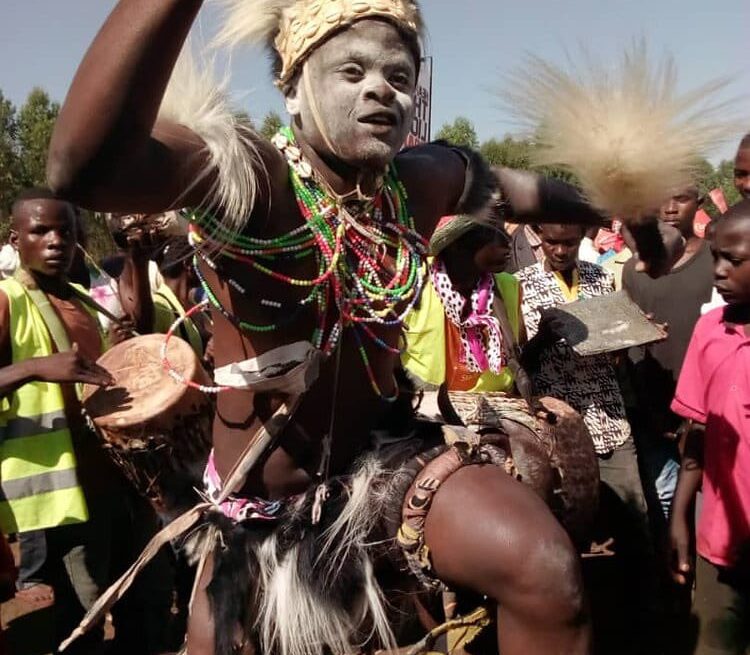
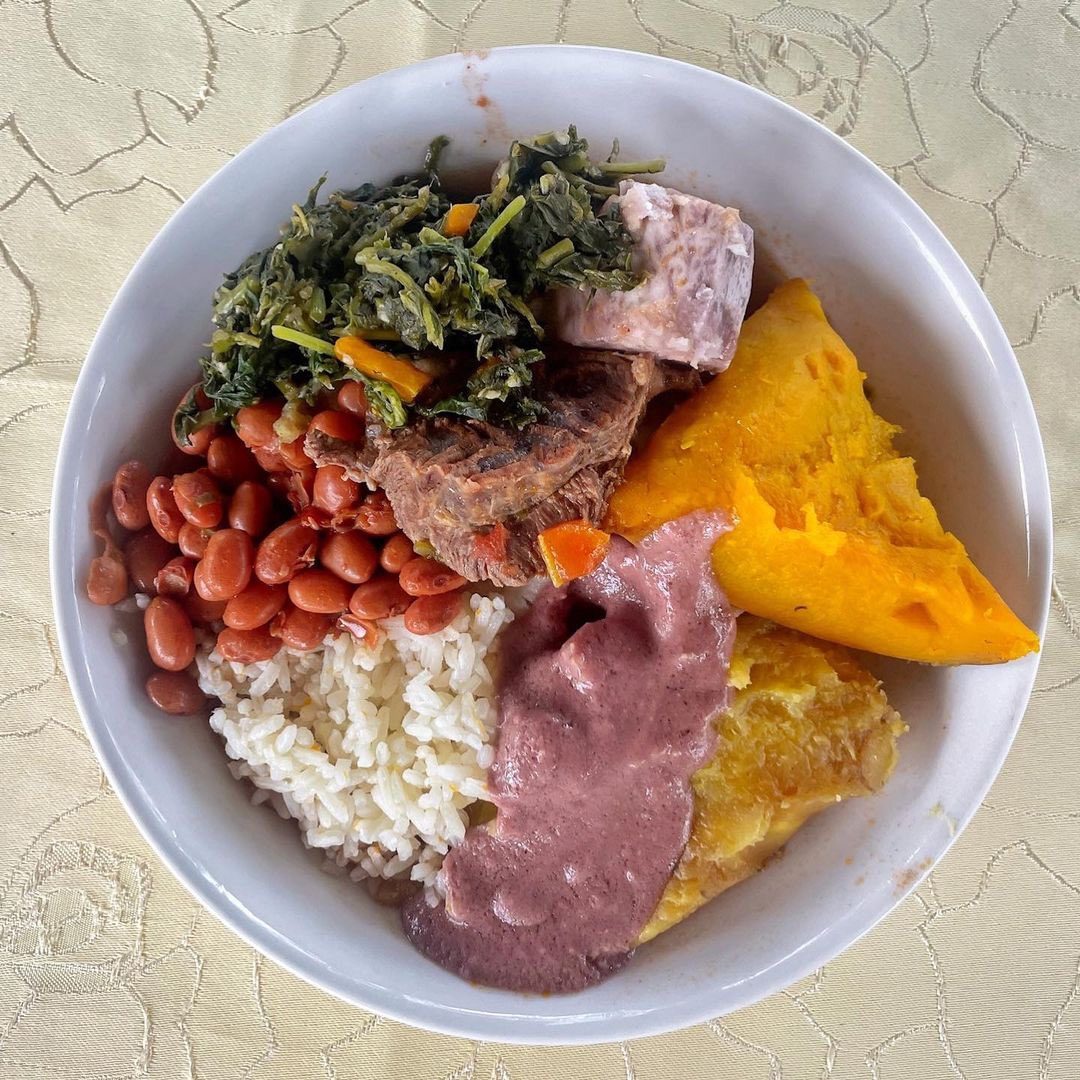
Uganda, often called the “Pearl of Africa,” is not only rich in wildlife and landscapes but also boasts a diverse and flavorful culinary heritage. Ugandan cuisine reflects the country’s cultural diversity, fertile land, and traditional cooking methods passed down through generations.
From staple foods like matoke to delicious street snacks like rolex, Uganda’s food scene offers something for every traveler and food lover. Whether you’re visiting rural villages or bustling cities like Kampala, exploring Ugandan cuisine is an essential part of the experience.
In this guide, we’ll take a deep dive into Uganda’s traditional dishes, ingredients, cooking styles, and food culture.
1. Overview of Ugandan Cuisine
Ugandan cuisine is based on:
- Fresh, locally grown ingredients
- Simple yet flavorful preparation methods
- A balance of carbohydrates, proteins, and vegetables
The country’s fertile soil allows for the production of:
- Bananas
- Cassava
- Sweet potatoes
- Beans
- Groundnuts (peanuts)
Meals are often hearty, filling, and designed to provide energy for daily activities.
2. Staple Foods in Uganda
Staple foods form the backbone of Ugandan cuisine and are served in most meals.
Matoke (Steamed Green Bananas)
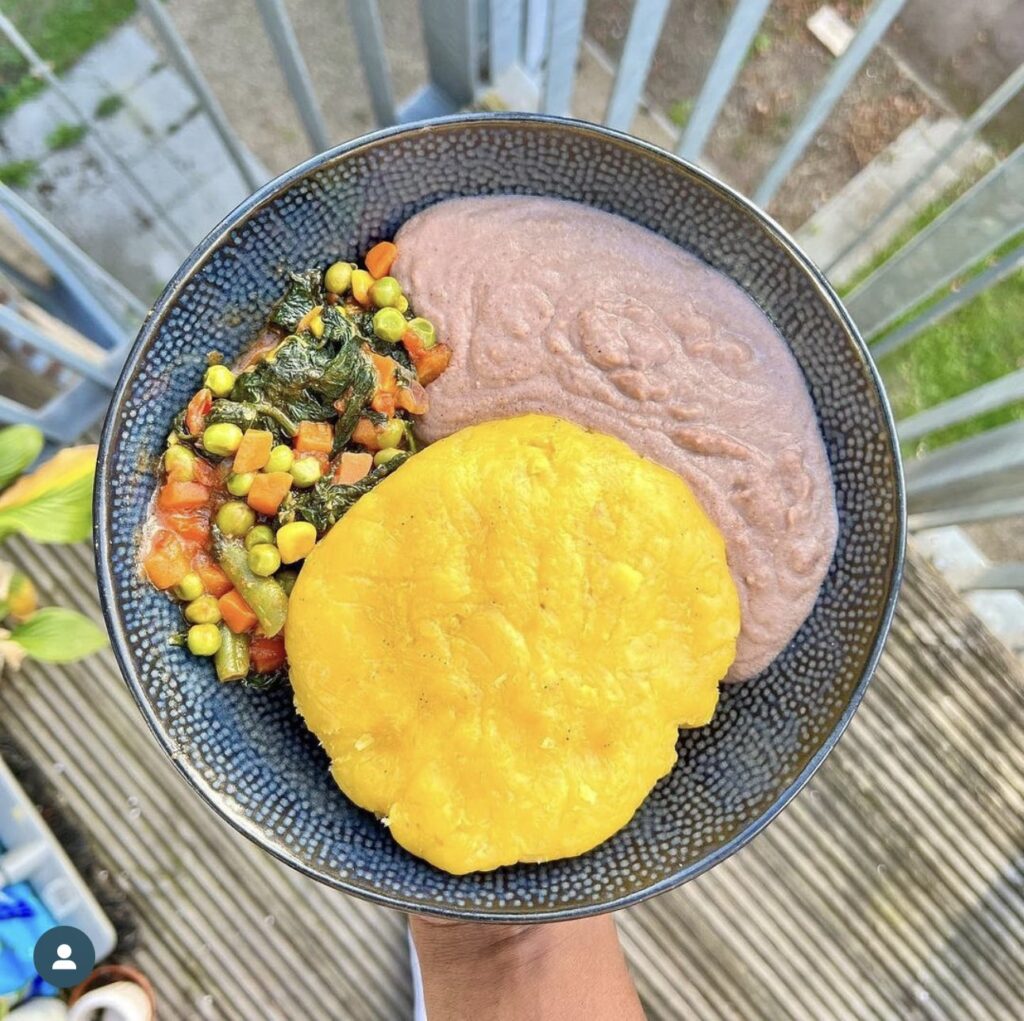
One of the most iconic dishes is Matoke.
- Made from green bananas
- Steamed and mashed
- Often served with sauce (meat, beans, or groundnuts)
Matoke is especially popular in central and western Uganda and is considered a national dish.
Posho (Maize Meal)
Another staple is Posho.
- Made from maize flour
- Cooked into a thick, firm paste
- Served with beans, meat, or vegetables
It is affordable and widely eaten across the country.
Cassava and Sweet Potatoes
These root crops are:
- Boiled or fried
- Served as side dishes or snacks
They are especially common in rural areas.
3. Popular Traditional Dishes
Uganda has a variety of traditional dishes that reflect its cultural diversity.
Luwombo
Luwombo is a special dish often prepared for celebrations.
- Meat, chicken, or groundnuts cooked in banana leaves
- Slow-cooked for rich flavor
- Served with matoke or rice
Groundnut Sauce
A staple accompaniment made from peanuts:
- Creamy and rich
- Served with matoke, rice, or sweet potatoes
Beans and G-nut Sauce
Beans are a common protein source:
- Cooked with spices
- Often combined with groundnut sauce
4. Meat and Fish Dishes
Ugandans enjoy a variety of meat and fish dishes.
Grilled Meat (Muchomo)
- Goat, beef, or chicken grilled over charcoal
- Served with vegetables or posho
Nile Perch and Tilapia
Fresh fish from lakes such as Lake Victoria are popular.
- Grilled or fried
- Served with chips or matoke
5. Street Food in Uganda
Street food is an important part of Uganda’s food culture, especially in cities like Kampala.
Rolex
The famous Ugandan street food Rolex is a must-try.
- Chapati rolled with eggs and vegetables
- Quick, affordable, and delicious
Sambusas
- Deep-fried pastries filled with meat or vegetables
Chapati
- Flatbread served with tea or as a snack
6. Fruits and Fresh Produce
Uganda is known for its fresh and delicious fruits.
Common fruits include:
- Pineapples
- Mangoes
- Bananas
- Passion fruits
These fruits are:
- Naturally sweet
- Widely available
- Often eaten fresh or as juice
7. Beverages in Uganda
Ugandan beverages range from traditional drinks to modern options.
Local Drinks
- Millet porridge
- Fresh fruit juices
Tea and Coffee
Uganda is a major producer of coffee:
- Strong and flavorful
- Widely consumed
Tea is also popular, often served with milk and sugar.
8. Cultural Significance of Food
Food in Uganda is deeply tied to culture and tradition.
- Meals are often shared with family
- Food is central to ceremonies and celebrations
- Hospitality is expressed through generous portions
Serving guests with food is a sign of respect and welcome.
9. Regional Variations in Cuisine
Different regions in Uganda have unique food traditions.
- Central Uganda: Matoke and groundnut sauce
- Northern Uganda: Millet bread and simsim (sesame)
- Eastern Uganda: Sweet potatoes and cassava
This diversity makes Ugandan cuisine rich and varied.
10. Dining Experience for Tourists
Visitors to Uganda can enjoy cuisine in:
- Local restaurants
- Safari lodges
- Street food stalls
Many safari lodges also offer:
- International cuisine
- Fusion dishes combining local and global flavors
11. Ugandan Cuisine and Tourism
Food plays an important role in tourism:
- Cultural experiences include cooking demonstrations
- Visitors can taste authentic local dishes
- Food markets offer insight into daily life
Exploring cuisine adds depth to any Uganda safari.
12. Tips for Trying Ugandan Food
If you’re visiting Uganda:
- Be open to trying new dishes
- Eat at reputable places
- Drink bottled or treated water
- Ask locals for recommendations
These tips ensure a safe and enjoyable food experience.
13. Why Ugandan Cuisine Is Unique
Ugandan cuisine stands out because of:
- Fresh, organic ingredients
- Simple cooking techniques
- Rich cultural influences
It may not be as globally known as other cuisines, but it offers authentic and satisfying flavors.
Conclusion
Ugandan cuisine is a vibrant and essential part of the country’s identity. From staple dishes like Matoke and Posho to street favorites like Rolex, the food reflects the richness of Uganda’s culture and natural resources.
Whether you’re dining in Kampala, exploring rural communities, or staying at a safari lodge, trying local food will enhance your travel experience and connect you to the heart of Uganda.
If you’re planning a trip, make sure to explore the cuisine—it’s just as memorable as the wildlife and landscapes.