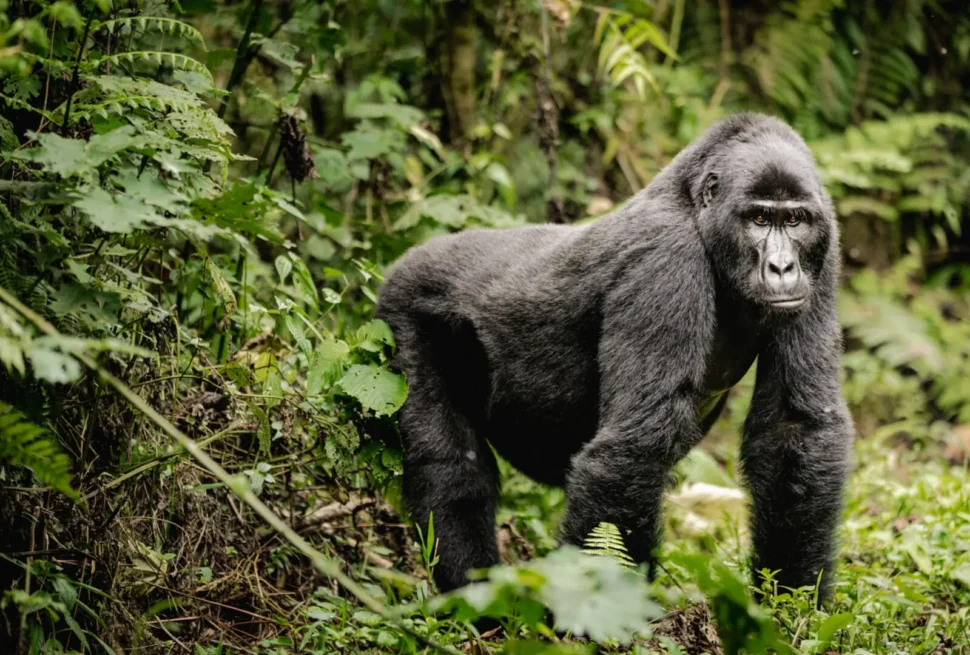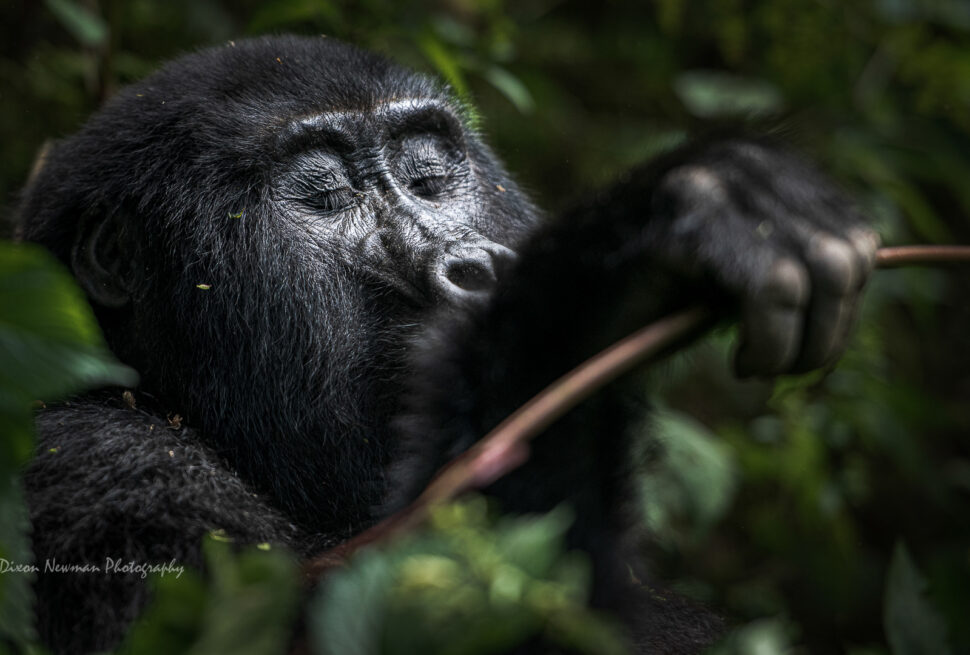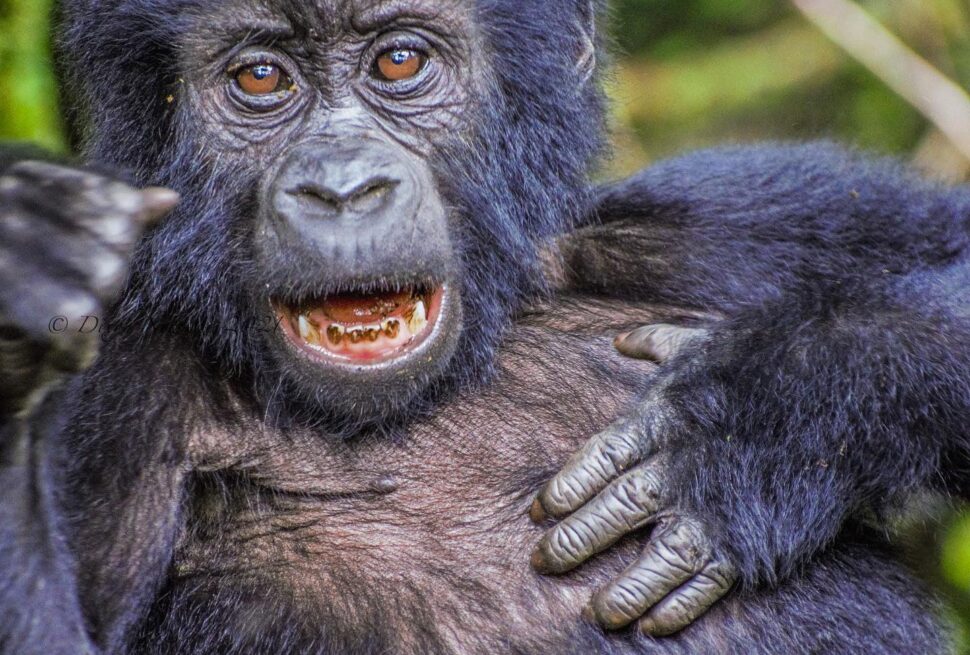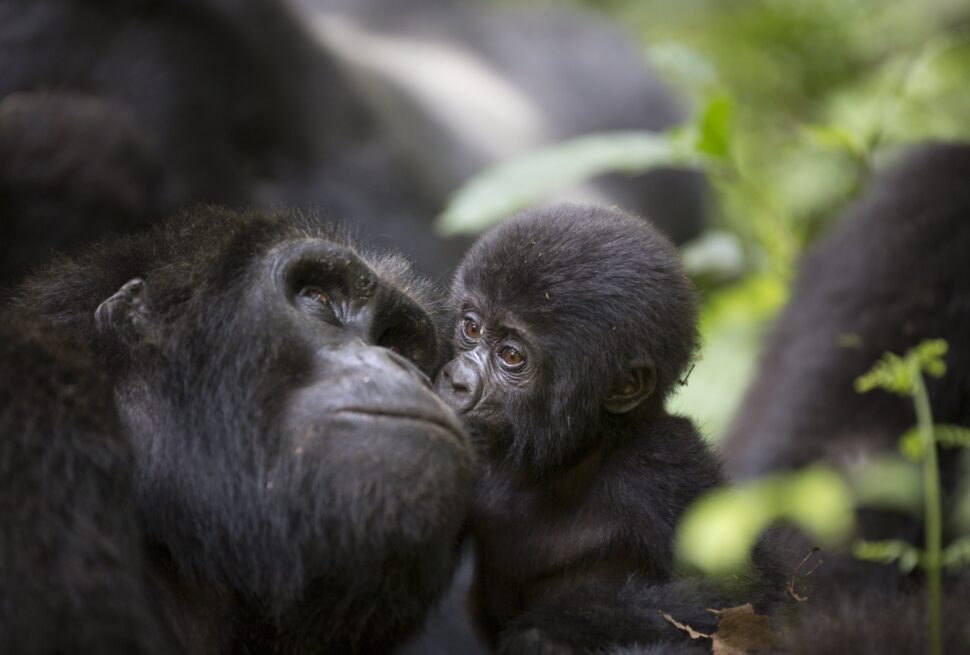
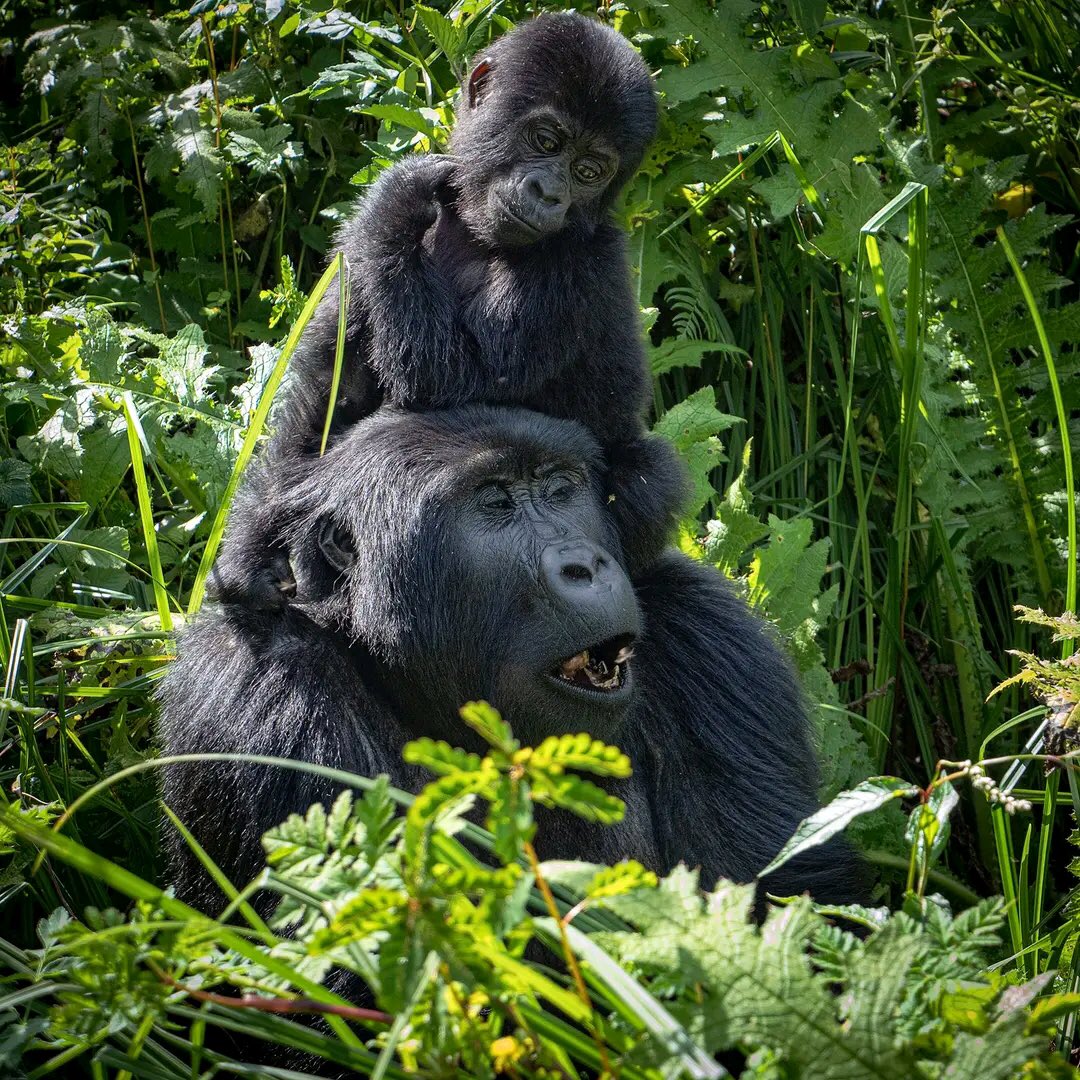
Uganda is one of the few places in the world where you can encounter mountain gorillas in their natural habitat. While most travelers are familiar with gorilla trekking, fewer understand the unique experience of gorilla habituation. Both activities take place in Bwindi Impenetrable National Park, but they offer very different levels of interaction, time spent, and overall experience.
If you’re planning a gorilla safari, understanding the difference between these two options will help you choose the one that best suits your interests, budget, and expectations.
1. What Is Gorilla Trekking?
Gorilla trekking is the standard and most popular way to see mountain gorillas in the wild.
It involves:
- Hiking through the forest to locate a habituated gorilla family
- Spending one hour observing the gorillas once they are found
- Being guided by trained rangers and trackers
These gorilla families are already accustomed to human presence, meaning they behave naturally without fear or aggression toward visitors.
Permits for trekking are issued by the Uganda Wildlife Authority, and only a limited number of visitors are allowed per day.
2. What Is Gorilla Habituation?
Gorilla habituation is a more immersive and exclusive experience that allows you to spend extended time with a gorilla family that is still undergoing the habituation process.
This experience includes:
- Joining researchers, trackers, and rangers
- Observing how gorillas are gradually introduced to human presence
- Spending up to 4 hours with the gorillas
Unlike trekking, these gorillas are not fully accustomed to humans, making the experience more dynamic and unpredictable.
3. Key Differences Between Gorilla Trekking and Habituation
3.1 Duration of Experience
- Gorilla Trekking: 1 hour with the gorillas
- Gorilla Habituation: Up to 4 hours with the gorillas
Habituation offers significantly more time, allowing for deeper observation and photography.
3.2 Level of Interaction
- Trekking: Observe a fully habituated group
- Habituation: Participate in the process of habituation
In habituation, you witness behaviors that are less commonly seen, as gorillas are still adapting to human presence.
3.3 Cost of Permits
- Gorilla Trekking Permit: $800 (Uganda)
- Gorilla Habituation Permit 1500 $
The higher cost of habituation reflects the longer time spent and the exclusivity of the experience.
3.4 Availability
- Trekking: Widely available across multiple sectors of Bwindi Impenetrable National Park
- Habituation: Limited to specific sectors, mainly Rushaga
Habituation permits are fewer and must be booked well in advance.
3.5 Group Size
- Trekking: Maximum of 8 people per group
- Habituation: Maximum of 4 people per group
Smaller group sizes in habituation make the experience more intimate and exclusive.
3.6 Difficulty Level
- Trekking: Moderate to challenging
- Habituation: More physically demanding
Habituation often involves longer trekking hours since researchers follow gorillas for extended periods.
3.7 Experience Type
- Trekking: Structured and predictable
- Habituation: Exploratory and immersive
Habituation gives you a behind-the-scenes look at conservation work.
4. What Happens During Gorilla Trekking?
A typical trekking day includes:
- Early morning briefing at the park headquarters
- Assignment to a gorilla family
- Guided hike through the forest
- One hour of observation
During the hour, you can:
- Take photos
- Watch gorillas feed, play, and interact
- Observe the dominant silverback
After the hour, you return to the starting point and head back to your lodge.
5. What Happens During Gorilla Habituation?
Gorilla habituation is a more in-depth experience.
Your day may include:
- Early start with researchers and trackers
- Following gorillas as they move and feed
- Observing interactions over several hours
- Learning about behavior, communication, and social structure
Because the gorillas are not fully habituated, you may:
- Keep a greater distance at times
- Move more frequently
- Experience more natural and raw behavior
6. Which Experience Is Better?
The answer depends on your preferences.
Choose Gorilla Trekking If:
- You want a shorter, less demanding experience
- You are on a tighter budget
- You prefer a structured and predictable encounter
Choose Gorilla Habituation If:
- You want more time with the gorillas
- You are passionate about wildlife and conservation
- You enjoy immersive, in-depth experiences
- You don’t mind a higher cost and longer trek
7. Photography Opportunities
Both experiences offer excellent photography, but there are differences:
- Trekking: Limited time, but easier positioning
- Habituation: More time, varied lighting, and behavioral moments
Photographers often prefer habituation because of the extended observation time.
8. Conservation Impact
Both activities play a vital role in conservation.
Revenue from permits supports:
- Gorilla protection
- Anti-poaching efforts
- Community development
The Uganda Wildlife Authority uses these funds to ensure the survival of mountain gorillas.
Habituation also directly contributes to conservation by preparing new gorilla families for tourism.
9. Best Location for Each Experience
Both gorilla trekking and habituation take place in Bwindi Impenetrable National Park, but:
- Trekking is available in all sectors
- Habituation is mainly offered in the Rushaga sector
Choosing the right sector is important when planning your safari.
10. Planning Tips
To make the most of your experience:
- Book permits early
- Choose the right fitness level for trekking
- Pack appropriate gear (hiking boots, rain jacket, gloves)
- Hire a porter if needed
Good preparation ensures a comfortable and enjoyable experience.
11. Time Commitment
- Trekking: Half-day activity
- Habituation: Full-day experience
If you have limited time, trekking may be more suitable. If you want a deeper experience, habituation is worth the extra time.
12. Overall Experience Comparison
| Feature | Gorilla Trekking | Gorilla Habituation |
|---|---|---|
| Time with gorillas | 1 hour | Up to 4 hours |
| Cost | Lower | Higher |
| Group size | 8 people | 4 people |
| Experience | Standard | Immersive |
| Availability | High | Limited |
Conclusion
Both gorilla trekking and gorilla habituation offer unforgettable encounters with mountain gorillas in Bwindi Impenetrable National Park, but they cater to different types of travelers.
Gorilla trekking is perfect for those seeking a classic, well-organized experience, while gorilla habituation provides a deeper, more immersive adventure for those who want to go beyond the ordinary.
Whichever option you choose, you will be part of a remarkable conservation journey and witness one of the most extraordinary wildlife experiences on Earth.