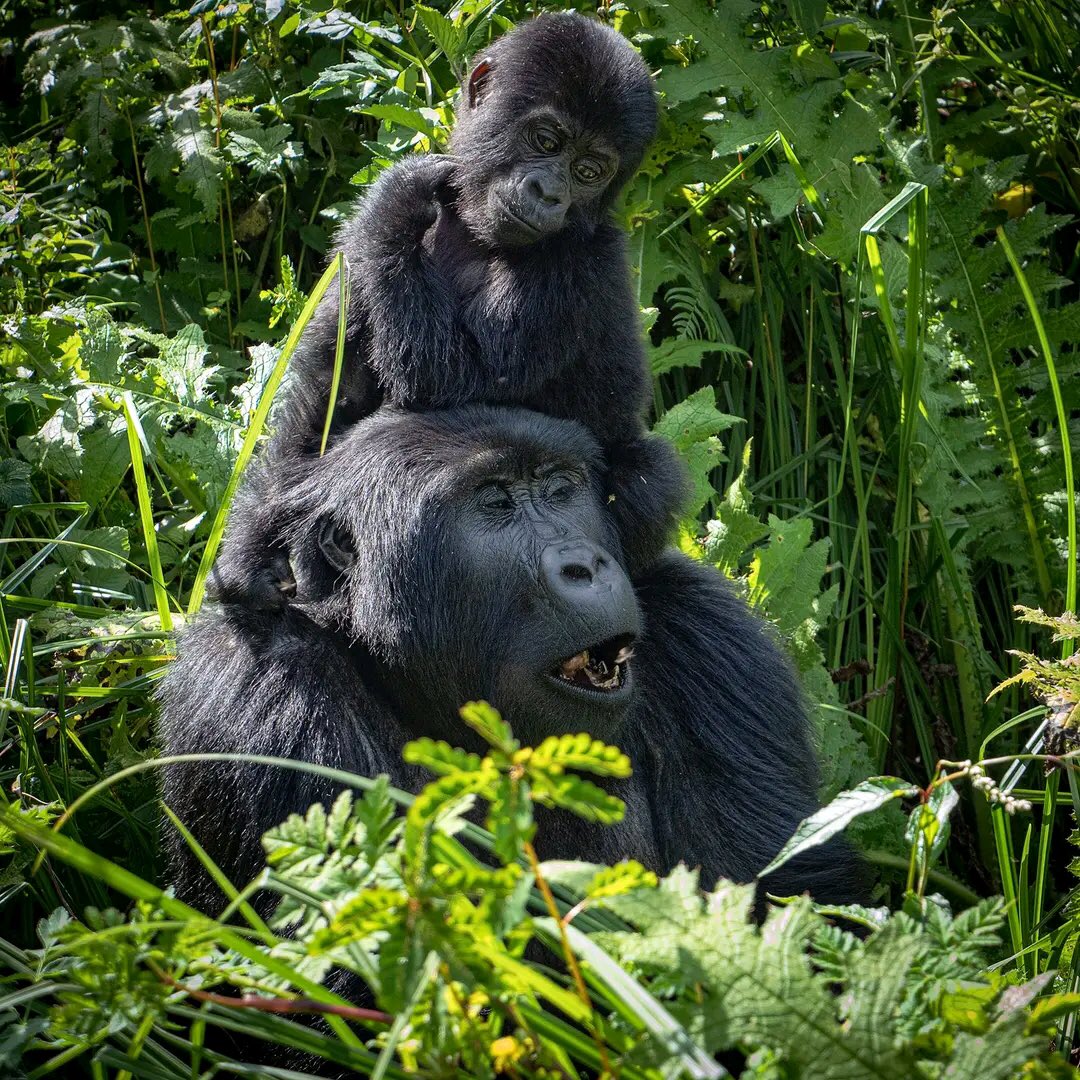
Gorilla trekking is one of the most extraordinary wildlife experiences on Earth. Coming face-to-face with endangered mountain gorillas in their natural habitat is both thrilling and deeply moving. However, one question almost every traveler asks is: why is a gorilla permit so expensive?
In Uganda, a gorilla permit costs $800 per person (as of recent updates), while in Rwanda it is $1,500. At first glance, this may seem high for just a few hours in the forest. But when you understand what goes into protecting these incredible animals and delivering a safe, ethical, and sustainable experience, the cost begins to make sense.
Let’s explore in detail why gorilla permits are priced this way.
1. Gorilla Conservation Is Extremely Costly
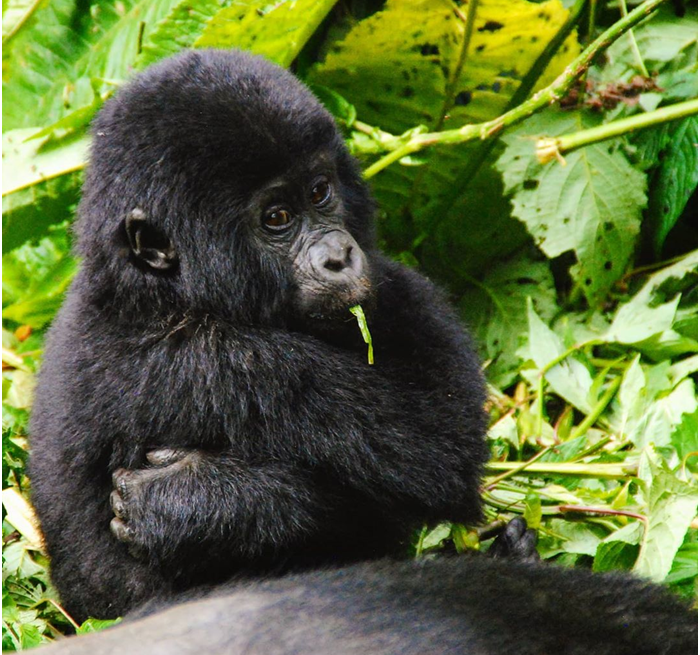
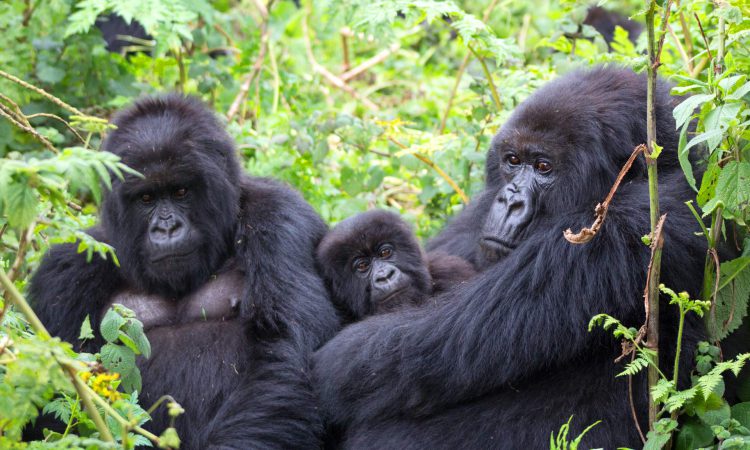
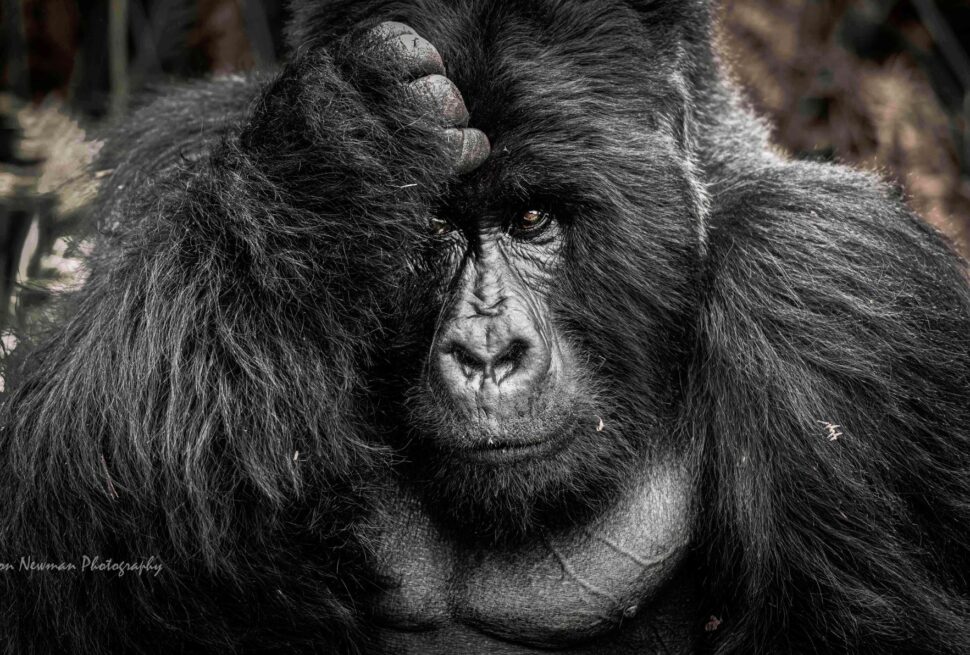
Mountain gorillas are critically endangered, with just over 1,000 individuals left in the wild. They are only found in a few protected areas, including Bwindi Impenetrable National Park and Mgahinga Gorilla National Park.
Protecting these animals requires significant financial investment. The money from permits goes directly into:
- Anti-poaching patrols
- Habitat conservation
- Veterinary care for injured or sick gorillas
- Monitoring gorilla families daily
Organizations like the Uganda Wildlife Authority rely heavily on permit revenue to fund these conservation efforts. Without these funds, gorillas would face a much higher risk of extinction.
2. Limited Permits Per Day (Exclusivity)
One of the biggest factors influencing the cost is exclusivity. Only a small number of permits are issued each day.
- Each habituated gorilla family can be visited by only 8 people per day
- Each visit lasts a maximum of 1 hour
This strict limitation ensures that gorillas are not stressed by human interaction. It also means that demand far exceeds supply, naturally driving up the price.
Unlike typical safari experiences, gorilla trekking is not mass tourism—it is a carefully controlled, intimate encounter.
3. Protecting Gorillas from Human Diseases
Gorillas share about 98% of their DNA with humans, making them highly susceptible to human illnesses such as flu or COVID-19.
Permit fees help fund:
- Health monitoring programs
- Strict trekking guidelines
- Ranger enforcement of safety protocols
- Hygiene measures for visitors
Tourists are required to keep a safe distance and follow strict rules, all of which are managed by trained personnel funded through permit revenue.
4. Highly Trained Rangers and Guides
Every gorilla trekking experience is led by skilled professionals, including:
- Armed rangers
- Expert trackers
- Knowledgeable guides
These individuals often spend years training and work in challenging forest conditions. Their responsibilities include:
- Tracking gorilla families daily
- Ensuring visitor safety
- Protecting gorillas from threats
Permit fees help pay salaries, training, and equipment for these teams, ensuring a safe and well-organized experience.
5. Community Support and Local Development
A significant portion of gorilla permit revenue is shared with local communities living near the parks.
This funding supports:
- Schools
- Health centers
- Clean water projects
- Local employment opportunities
By involving communities in conservation, authorities reduce human-wildlife conflict and discourage poaching. When local people benefit from tourism, they are more motivated to protect gorillas.
6. Infrastructure and Park Management
Maintaining national parks like Bwindi Impenetrable National Park is no small task. These are dense, remote forests that require constant management.
Permit fees contribute to:
- Trail maintenance
- Park operations
- Visitor centers
- Security systems
Without this infrastructure, gorilla trekking would not be accessible or safe for tourists.
7. Research and Monitoring
Ongoing research is essential to ensure the survival of mountain gorillas. Scientists and conservationists study:
- Gorilla behavior
- Health patterns
- Population growth
- Habitat changes
This research helps shape conservation strategies and is partly funded by permit revenue.
8. The Value of a Unique, Once-in-a-Lifetime Experience
Gorilla trekking is not just another wildlife activity—it is often described as life-changing.
Imagine hiking through dense rainforest, guided by trackers, until you finally come across a gorilla family. Watching them interact—feeding, playing, caring for their young—creates an emotional connection that few other experiences can match.
The cost reflects:
- The rarity of the experience
- The effort required to access it
- The conservation impact it supports
For many travelers, the value goes far beyond the price.
9. Comparison with Other Wildlife Experiences
Compared to typical safaris, gorilla trekking may seem expensive. However, most wildlife experiences involve:
- Large numbers of tourists
- Easier accessibility
- Less strict conservation controls
Gorilla trekking is different because it prioritizes conservation over volume. The higher cost helps limit visitor numbers while maximizing conservation benefits.
10. Why Uganda Offers the Best Value
While Rwanda charges $1,500 per permit, Uganda offers permits at $800, making it a more affordable option without compromising the experience.
Parks like Bwindi Impenetrable National Park provide:
- More gorilla families to choose from
- Diverse trekking sectors
- Rich biodiversity
This makes Uganda one of the best destinations for budget-conscious travelers seeking a premium experience.
Conclusion
The high cost of a gorilla permit is not arbitrary—it reflects the immense effort required to protect one of the world’s most endangered species while offering a safe and meaningful experience to visitors.
From conservation and community support to ranger protection and limited access, every dollar contributes to preserving mountain gorillas for future generations.
When you purchase a gorilla permit, you are not just paying for a trek—you are investing in conservation, supporting local communities, and becoming part of a global effort to save these incredible animals.
If you’re planning your safari, understanding the value behind the permit can make the experience even more rewarding. After all, few adventures offer the chance to stand just meters away from wild gorillas in their natural home—and help ensure their survival at the same time.